
Shrubs
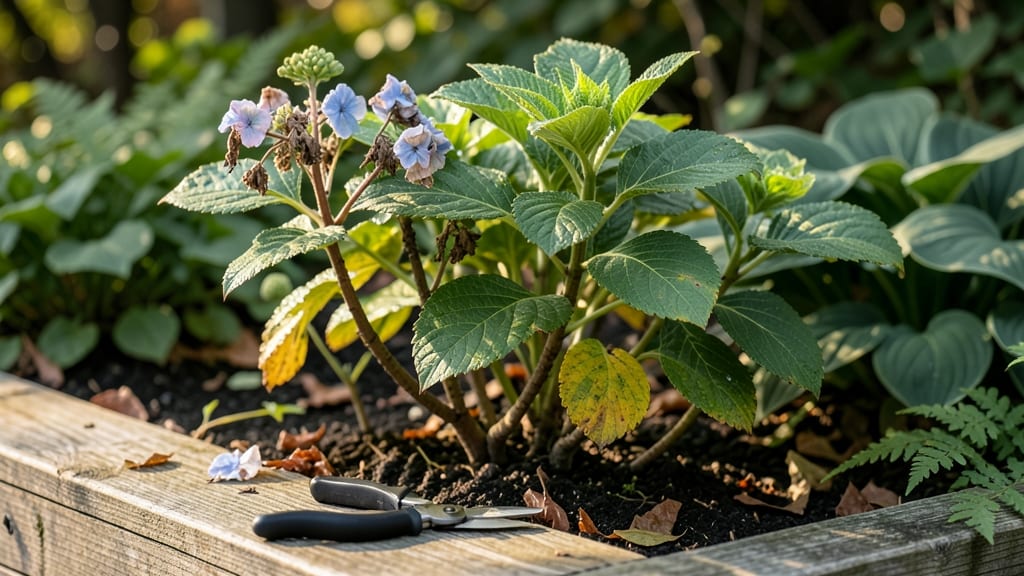
Cutting down hydrangea bushes after their blooms fade is the best time to prune for next year’s biggest, healthiest flowers — but there’s a fine line between too early and too late.
Struggling to decide when to trim your hydrangeas without sacrificing next year’s stunning blooms? Timing your prune after flowers fade is the secret to bigger, healthier bushes—but there’s more to it than just ‘wait until fall.’
Most gardeners think pruning hydrangeas is as simple as snipping back dead stems in late winter, but the wrong timing can leave you with sparse blooms—or no blooms at all. The key is understanding your hydrangea’s type (old wood vs. new wood bloomers) and your local climate.
In this guide, I’ll walk you through the exact seasonal schedule for pruning, including when to deadhead spent blooms, how much to trim, and what to avoid—so your 🌸 hydrangeas thrive year after year.
Best time to prune hydrangeas by type (old vs new wood)
Pruning hydrangeas at the wrong time can mean the difference between next year’s showstopping blooms and a sad, bare bush. The key? Understanding whether your hydrangea blooms on old wood (last year’s growth) or new wood (current season’s stems).
Cutting too early or late can kill flower buds before they even form.
For mophead and oakleaf hydrangeas, which bloom on old wood, pruning in late winter or early spring (before buds swell) is critical. But panicle hydrangeas thrive when pruned in late winter or early spring because they bloom on new wood.
Get this wrong, and you might end up with no flowers at all.
Here’s the game-changer: Deadheading (removing spent blooms) is different from major pruning. You can deadhead any hydrangea after flowering to encourage more blooms, but major pruning timing depends entirely on the type. Let’s break it down so you never guess again.
| Hydrangea Type | Blooms On | Best Pruning Time | What to Cut | Avoid Cutting |
|---|---|---|---|---|
| Mophead (e.g., 'Endless Summer') | Old Wood | Late Winter (Feb-Mar) or Early Spring (before buds swell) | Dead stems & crowded branches | After blooms fade (kills next year’s flowers) |
| Panicle (e.g., 'Limelight') | New Wood | Late Winter (Feb-Mar) or Early Spring (after last frost) | Up to 1/3 of oldest stems | After summer blooms (reduces next year’s flowers) |
| Oakleaf (e.g., 'Snow Queen') | Old Wood | Late Winter (Feb-Mar) or Early Spring (before buds swell) | Dead stems & weak growth | Fall (stimulates late growth that won’t harden off) |
| All Types (Deadheading) | N/A | After blooms fade (summer/fall) | Spent flower heads only | Cutting into old wood stems |
If you prune mophead or oakleaf hydrangeas after blooms fade, you’re essentially cutting off next year’s flowers before they even form. These types rely on buds set in late summer/fall, so waiting until winter gives them time to develop.
Meanwhile, panicle hydrangeas are more forgiving—they produce buds on current season’s growth, so you can prune them in late winter without risk.
Another common mistake? Pruning in fall. While deadheading spent blooms is fine, major pruning in fall can stimulate late-season growth that won’t harden off before winter. This weak growth often dies back in cold snaps, leaving your hydrangea vulnerable to disease and pests.
For regional adjustments, account for your last frost date. In USDA Zones 3-5, prune in late winter (February-March) to avoid early spring thaws that can trick buds into swelling too soon.
In Zones 6-9, you can wait until early spring (March-April), but don’t delay past bud swell.
Pro tip: Mark your calendar with two key dates. First, note when your hydrangea blooms—this tells you when to deadhead. Second, schedule your major prune for 6-8 weeks before your last frost, giving buds time to form without risking frost damage.
Remember, sharp, clean cuts are non-negotiable. Use bypass pruners for small stems and loppers for thicker branches. Always cut just above a leaf node or outward-facing bud to encourage healthy growth.
And if you’re unsure whether your hydrangea blooms on old or new wood, observe last year’s growth—if it’s still green and flexible, it’s new wood.
With the right timing, your hydrangeas will reward you with bigger, fuller blooms year after year. And if you accidentally prune at the wrong time? Don’t panic—hydrangeas are resilient. Just adjust next year’s schedule and give them a little extra care to bounce back.
Step-by-step guide: how to prune hydrangeas without killing them
Pruning hydrangeas might seem intimidating, but with the right technique, you can encourage bigger blooms and healthier growth while avoiding common mistakes. The key is knowing when and where to cut—especially since different hydrangea types bloom on old wood or new wood.
For most varieties, late winter or early spring is ideal, but timing varies slightly depending on your climate and hydrangea type.
Before you grab your pruners, gather these essential tools: sharp bypass pruners, hand pruners for smaller stems, rubbing alcohol (to sterilize tools), and gloves for protection.
Always sterilize your tools to prevent spreading disease between plants. Now, let’s dive into the step-by-step process to prune like a pro without risking your hydrangea’s health.
Step-by-Step Hydrangea Pruning Guide
- 1 Identify Dead or Damaged Stems
- 2 Cut Dead Stems Down to the Ground
- 3 Trim Back Last Year’s Blooms (for new wood bloomers)
- 4 Reduce Live Stems by 1/3 (never cut more than this!)
- 5 Cut Just Above a Leaf Node (45-degree angle for water runoff)
- 6 Shape the Bush for Airflow (avoid overcrowding branches)
- 7 Clean Up Debris (remove all clippings and fallen leaves)
When cutting, always aim to remove dead or weak stems first, as these won’t produce blooms. For new wood bloomers (like panicle hydrangeas), you can cut back more aggressively in late winter, while old wood bloomers (like mophead hydrangeas) should wait until after flowering in summer.
This ensures you don’t sacrifice next year’s blooms.
Pro tip: If your hydrangea hasn’t bloomed well, check for over-pruning—cutting back too much can stress the plant. Aim to leave at least 3-5 strong stems per bush to encourage robust growth.
After pruning, give your hydrangea a light fertilizer and deep watering to help it recover and thrive for the next growing season.
Remember, the goal is to shape, not shrink. A well-pruned hydrangea will reward you with larger, more vibrant blooms next season—and who doesn’t love a bush bursting with color? With these steps, you’ll prune like a seasoned gardener in no time! 🌸✂️