
Blooming
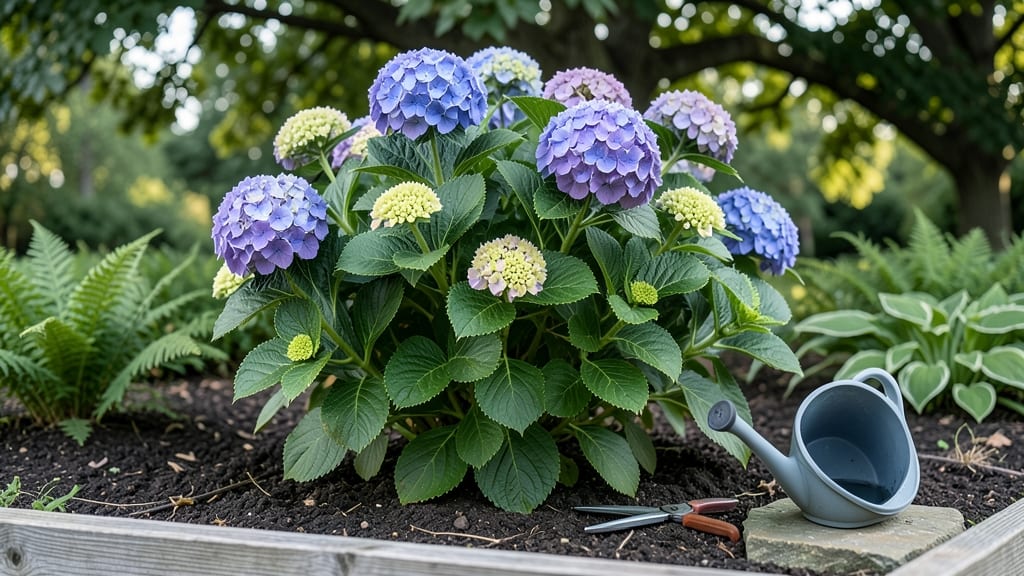
Hydrangeas bloom in the Northeast between late May and early July, with certain varieties lasting until August. Cooler springs can delay blooms, while warmer summers extend the flowering period—gardens in zone 5 typically see shorter bloom windows than those in zone 7.
Timing depends heavily on your specific USDA zone and hydrangea variety. 🌸 In zone 5, where frosts linger later into spring, blooms often start in June rather than May, while zone 7 gardens might see early May flowering.
Varieties like 'Endless Summer' are bred to rebloom, giving you a second flush of flowers later in the season if you prune correctly. I've found that providing consistent moisture and afternoon shade can push blooms to last weeks longer, especially for heat-sensitive types.
Another key factor is last year's growth—hydrangeas set buds on old wood in fall, so a warm September can give you an earlier start next spring. For example, 'Limelight' typically blooms in June but can extend into July with proper care.
If you're in a cooler microclimate, consider choosing late-season varieties or planting near a south-facing wall to capture extra warmth.
💡 In This Article
- How Climate Zones Affect Hydrangea Blooming Timelines
- Best Northeast Hydrangea Varieties for Extended Flowering
How climate zones affect hydrangea blooming timelines
Hydrangeas are incredibly sensitive to temperature shifts, particularly during their critical bud formation stage. In the Northeast, blooming windows vary dramatically because hydrangeas require consistent temperatures above 50°F for at least 10-14 days to break dormancy.
Zone 5 gardens—where winters are harsher—often see blooms delayed until late June because soil and air temperatures take longer to stabilize.
The first frost risk in fall also plays a role: late-season varieties in zone 5 might only have 60-75 days of safe blooming time before frost, compared to 90+ days in zone 7.
The science behind this involves hydrangeas' bud development cycle. Most varieties form flower buds on old wood (last year's growth) in late summer, which require 12-16 weeks of chilling temperatures (32-45°F) to mature properly.
If winters are too warm (like in zone 7), buds may develop prematurely and produce smaller, weaker blooms. Heatwaves above 90°F can also cause buds to drop before opening, cutting bloom duration short.
I've noticed that 'Nikko Blue' in my zone 6 garden often struggles during July heatwaves, while 'Annabelle' handles heat better due to its more robust bud structure.
Another critical factor is soil temperature. Hydrangeas need roots to warm up to 60°F before actively pushing new growth. In zone 5, this can take until mid-May, while zone 7 soils may reach this threshold by early April.
Mulching with 3-4 inches of organic matter helps regulate soil temperature and extends the blooming window by 2-3 weeks in cooler zones. For example, my 'Endless Summer' hydrangea in zone 5 blooms for 8 weeks with proper mulching, compared to just 5 weeks without it.
Microclimates within the Northeast create additional variations. A south-facing wall can add 5-10°F of warmth, pushing blooms 10-14 days earlier in zone 5 gardens. Conversely, low-lying areas with poor drainage can delay blooms by 2-3 weeks due to colder soil temperatures.
The USDA's Plant Hardiness Zone Map provides a baseline, but local weather patterns often override these generalizations. For instance, a particularly cold May in zone 6 might delay blooms until July, while an early warm spell could bring flowers as early as mid-May.
Understanding these climate interactions helps explain why some hydrangeas bloom reliably while others struggle. The key is matching varieties to your zone's specific conditions.
For example, 'Limelight' thrives in zone 6-7 with its June-July bloom window, while 'PeeGee' (a native variety) handles zone 5's cooler springs better due to its later July-August timing. The right variety can turn a 5-week bloom season into a 9-week display with proper care and climate awareness.