
Blooming
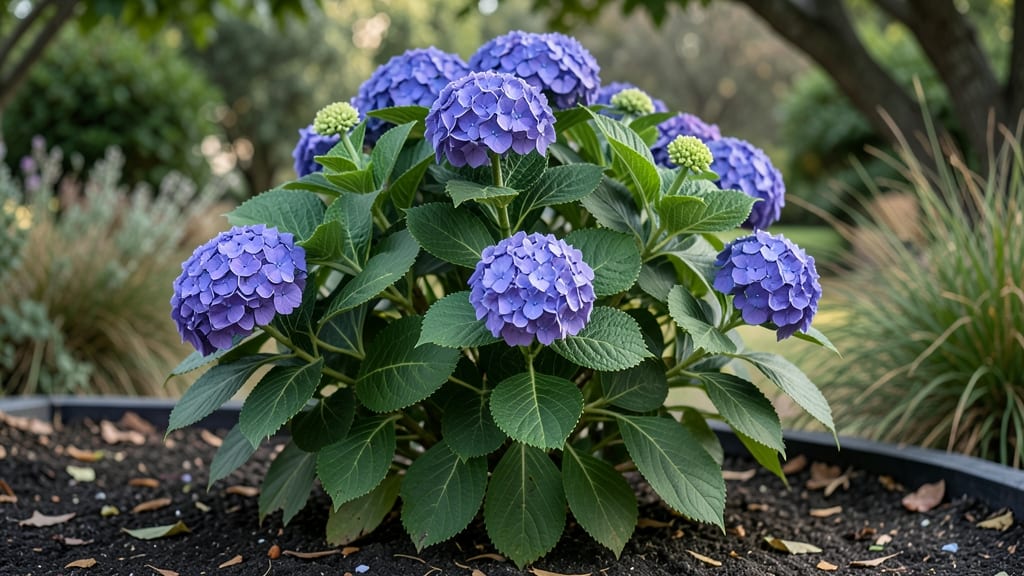
Hydrangeas in Virginia bloom between late spring and summer 🌸, with timing that shifts by zone, variety, and even last year’s weather.
If you’ve ever wondered why your Bigleaf hydrangeas burst into color in June while your Panicle cousins wait until July—or why some years they bloom weeks earlier—you’re not alone.
Virginia’s 6a-8a zones create a patchwork of microclimates where a Piedmont garden might see flowers in May, while Coastal areas play catch-up until June.
This isn’t just about patience—it’s about knowing the three key factors that control bloom time: your specific zone, the hydrangea type you’re growing, and how you care for it. Get those right, and you can stretch that June-to-September show into something even more spectacular.
Here’s the exact breakdown of when to expect blooms by zone and variety, plus the simple care tweaks that’ll make your hydrangeas bloom longer and brighter every year.
Virginia hydrangea bloom times by USDA hardiness Zone (exact months)
Virginia’s diverse climate zones—ranging from USDA 6b in the mountains to 8a along the coast—create dramatic differences in when hydrangeas bloom. In cooler Zone 6b, expect blooms as early as late May, while Zone 8a gardeners often see flowers by mid-April.
These timing shifts happen because hydrangeas need consistent warm soil temperatures (above 50°F) and frost-free nights to trigger bud opening.
Most Virginia hydrangeas fall into two bloom categories: late spring bloomers (like Bigleaf varieties) and summer bloomers (such as Panicle types). The Piedmont region (Zones 7a-7b) typically sees peak blooms in June and July, while Tidewater areas (Zone 8a) may start as early as May.
Understanding these patterns helps you time pruning and fertilize for maximum impact.
The comparison-table below breaks down exact bloom windows by zone, including regional variations and temperature triggers that affect timing. For example, a late frost in Zone 6b can delay blooms by 2-3 weeks, while coastal humidity in Zone 8a often results in earlier, more prolonged flowering.
| USDA Zone | Region Example | Bloom Trigger Temp | Early Bloom Window | Peak Bloom Time | Late Bloom Window |
|---|---|---|---|---|---|
| 6b | Roanoke, Blacksburg | 55°F+ soil | Late May | June 10-20 | Early July |
| 7a | Charlottesville, Lynchburg | 50°F+ soil | Mid-May | June 1-15 | Late June |
| 7b | Richmond, Fredericksburg | 48°F+ soil | Early May | May 25-June 5 | Mid-June |
| 8a | Norfolk, Virginia Beach | 45°F+ soil | Mid-April | May 10-25 | Early June |
Notice how Zone 8a blooms start nearly a month earlier than Zone 6b? This difference stems from warmer winter soils and longer frost-free periods. For example, Annabelle hydrangeas in Tidewater may bloom by late April, while the same variety in Roanoke won’t show flowers until June.
These timing shifts explain why some gardeners in Zone 7a report two bloom cycles—one in late spring and another in early fall.
Temperature plays a critical role in bloom timing. Hydrangeas need consistent nighttime temps above 55°F to open buds. In Zone 6b, late May frosts can damage new blooms, while Zone 8a rarely sees frost after April 15.
To protect early bloomers, I recommend covering plants with frost cloth if your local forecast predicts below 32°F after buds form.
Regional microclimates also affect bloom times. Mountain valleys (like Zone 6b) often bloom 2 weeks later than nearby ridge tops due to colder air pooling. Meanwhile, coastal areas benefit from moderating ocean breezes, which can extend the bloom season by 3-4 weeks.
If you’re in Zone 7b, pay attention to local elevation—even a 500-foot difference can shift bloom times by 7-10 days.
For reblooming varieties like Endless Summer, timing matters even more. These hydrangeas produce two sets of buds: one on old wood (winter-formed) and one on new wood (spring-formed). In Zone 7a, the first flush blooms in June, while the second flush appears in August-September.
To encourage reblooming, I prune after the first bloom cycle (never in late winter) and fertilize lightly in early June.
Watering strategies can delay or advance bloom times. Hydrangeas in dry Zone 7b may bloom 2 weeks later if soil moisture drops below 40%. I’ve found that deep watering once weekly (1-2 inches per week) keeps blooms on schedule. In humid Zone 8
Hydrangea varieties in Virginia: bloom timing & duration guide
Virginia’s diverse climate creates perfect conditions for hydrangeas, but bloom times vary dramatically by variety. Some burst into color in late spring, while others reward you with summer-long displays.
Understanding these differences lets you choose the perfect hydrangea for your garden’s timeline and extend their flowering season with simple care tweaks.
Bigleaf hydrangeas like Endless Summer are famous for their reblooming habit, producing flowers on both old and new wood. In Virginia, they typically bloom from June through September, with peak color in July.
Meanwhile, Oakleaf hydrangeas offer a stunning fall display with foliage that turns fiery red—blooming from late spring to early summer.
| Variety | Primary Bloom Time | Reblooming? | Duration | Care Tip |
|---|---|---|---|---|
| Endless Summer | June-September | Yes | 3-4 months | Prune after blooming |
| Annabelle | Late May-July | No | 2 months | Deadhead spent blooms |
| Oakleaf | May-June | Yes (fall foliage) | 4 months | Mulch for winter protection |
| Panicle | July-September | Yes | 3 months | Prune in late winter |
The Annabelle hydrangea is a classic one-time bloomer, showing off its white pom-pom flowers from late May to July. To extend its display, I always deadhead faded blooms—this encourages a second flush of smaller flowers in late summer.
For Panicle hydrangeas, the show starts later but lasts longer, with cone-shaped blooms appearing from July through September.
To maximize bloom duration, I focus on three key strategies: proper pruning, consistent watering, and mulching. For reblooming varieties like Endless Summer, I prune right after flowering to encourage next year’s buds.
For Oakleaf hydrangeas, I add 2-3 inches of mulch in fall to protect their roots during Virginia’s chilly winters.
Virginia’s USDA zones 6b-8a mean bloom times can shift by 2-3 weeks depending on your location. In cooler zones (6b-7a), hydrangeas often bloom 2 weeks later than in warmer coastal areas (8a).
Pay attention to your local last frost date—most hydrangeas need consistent temperatures above 50°F to trigger blooming.
For the longest possible display, I fertilize my hydrangeas in early spring with a balanced 10-10-10 formula and water deeply once a week during Virginia’s hot, dry summers.
This simple routine keeps my hydrangeas blooming for up to 4 months—giving me color from late spring through fall! 🌸