
Plants
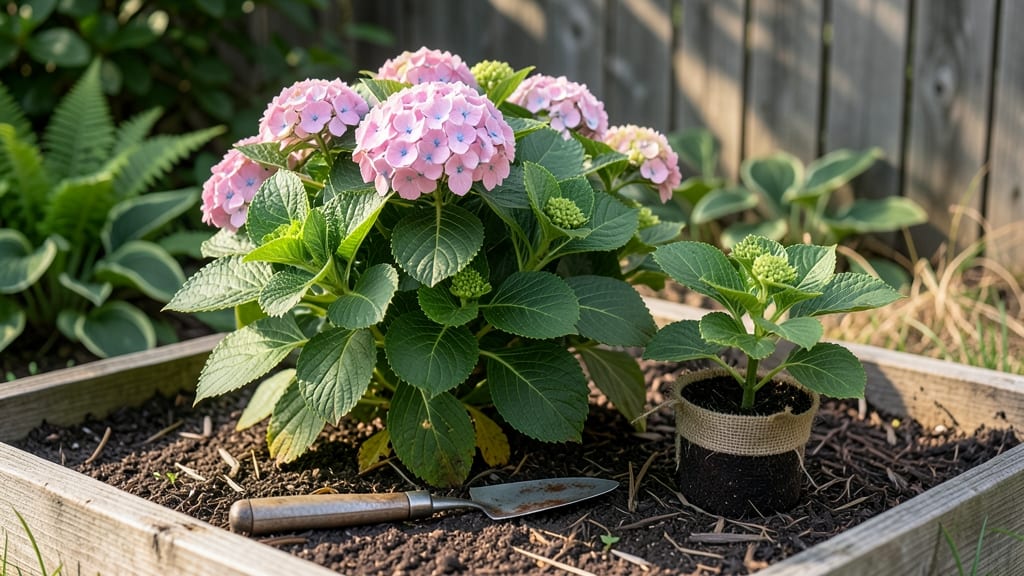
Planting hydrangeas in Minnesota after the last frost — typically between late April and mid-May — sets them up for vibrant blooms all season.
Minnesota’s unpredictable climate can make planting hydrangeas tricky—but timing your garden correctly ensures stunning blooms year after year. Learn the precise months to plant for thriving hydrangeas, whether you're starting from seeds, bare roots, or container plants.
In USDA Zones 4a-5b, the key is waiting until the soil warms to at least 50°F and the threat of frost has passed. Northern Minnesota may need to wait until early May, while southern regions can start as early as late April.
Here’s how to adjust your planting schedule based on frost dates, soil prep, and whether you’re using bare-root or container-grown plants for the best results.
Best planting months for hydrangeas in Minnesota’s zones 3-5
Minnesota’s USDA Zones 3-5 create unique challenges for hydrangea planting, where last frost dates can vary by 2-3 weeks between northern and southern regions. The key is planting when soil temperatures hit 50°F and stay consistent, allowing roots to establish before summer heat arrives.
For most gardeners, this means late April to mid-May—but timing differs slightly by hydrangea type.
Bigleaf hydrangeas (Hydrangea macrophylla) like 'Endless Summer' need soil warmth to avoid root rot, while panicle hydrangeas (Hydrangea paniculata) like 'Limelight' tolerate cooler soils better.
Oakleaf hydrangeas (Hydrangea quercifolia) thrive in slightly acidic soil and should be planted when nighttime temps stay above 45°F. Understanding these nuances ensures your hydrangeas bloom earlier and larger.
If you’re in northern Minnesota (Zone 3), aim for late May planting to avoid frost damage, especially for bigleaf varieties. In southern Minnesota (Zone 5), you can plant as early as early April if using container-grown plants, which establish faster than bare-root.
Always check the Minnesota State Climatology Office for your specific last frost date—it can shift yearly!
For bare-root hydrangeas, soak roots in water for 2-3 hours before planting to reduce transplant shock. Container-grown plants can handle late spring planting (June) but may bloom 2-3 weeks later that season.
Amend your planting hole with compost or peat moss to improve drainage, especially for bigleaf types that hate soggy roots.
Pro tip: Plant hydrangeas in morning sun with afternoon shade to prevent leaf scorch. In Zone 4-5, mulch heavily with 3-4 inches of wood chips to protect roots during winter freezes.
This mulch layer also helps retain moisture during Minnesota’s dry summers, reducing your watering frequency by 30%.
Some gardeners swear by fall planting (September) for hydrangeas, letting roots establish before winter. However, this only works in Zone 5—northern gardeners risk frost heave if planting too late. If you choose fall, plant 6-8 weeks before first frost and water deeply to encourage root growth before dormancy.
Watch for hydrangea bud development in late summer. If you plant in June or July, expect minimal blooms that year as the plant focuses on root growth.
Prioritize early spring planting for maximum floral displays in years 2-3. For container gardening, use pots with drainage holes and plant in well-draining potting mix.
Remember: Hydrangeas need patience. While they may take 2-3 years to reach full bloom potential, proper planting timing in Minnesota’s climate ensures they’ll reward you with vibrant, long-lasting flowers for decades. Start with the right month, and your hydrangeas will thrive year after year! 🌸
How to adjust planting time for Minnesota’s frost dates
Minnesota’s frost dates can be your best friend when planning hydrangea planting. In northern Minnesota (Zones 3-4), the last frost typically arrives between May 1-15, while southern Minnesota (Zones 4b-5) sees frost-free conditions by April 20-May 5.
These differences mean your planting timeline should shift based on your location to avoid frost damage to tender new growth.
To extend your growing season, I recommend using frost-free date calculators from the National Oceanic and Atmospheric Administration (NOAA) or local Minnesota Extension offices.
These tools provide historical frost data for your specific zip code, helping you pinpoint the safest window for planting bare-root hydrangeas or transplanting container-grown plants.
⚠️ callout-warning
Hydrangeas planted before soil temperatures reach 50°F risk root rot or frost heave. Use a soil thermometer to confirm warmth before planting. In northern MN, wait until late May for bare-root varieties like 'Annabelle' or 'Limelight'.
Pro Tip: Mulch heavily after planting to insulate roots from late spring frosts.
For container-grown hydrangeas, you’ve got slightly more flexibility. These plants can tolerate transplanting up to 2 weeks earlier than bare-root varieties because their root systems are already established. However, always harden off container plants for 7-10 days before moving them outdoors to prevent transplant shock from temperature swings.
If you’re in southern Minnesota (e.g., Twin Cities, Rochester, or Duluth’s southern fringe), you can push planting to early April for hardier varieties like oakleaf hydrangeas, which handle cooler soils better.
But even here, monitor nighttime temperatures—if they dip below 40°F, protect young plants with frost cloth for the first few weeks.
To further extend your growing season, consider season extension techniques like row covers or cold frames for early spring plantings.
These methods can buy you 2-4 extra weeks of growing time, especially useful for panicle hydrangeas, which bloom on new wood and benefit from longer growing seasons for bigger blooms.
Remember, hydrangeas planted in late spring (June) still thrive, but they may bloom later in the season. If you’re starting from seeds, sow indoors in February-March and transplant after the last frost—this gives seedlings a head start before Minnesota’s short growing season kicks in.