
Pests and Diseases
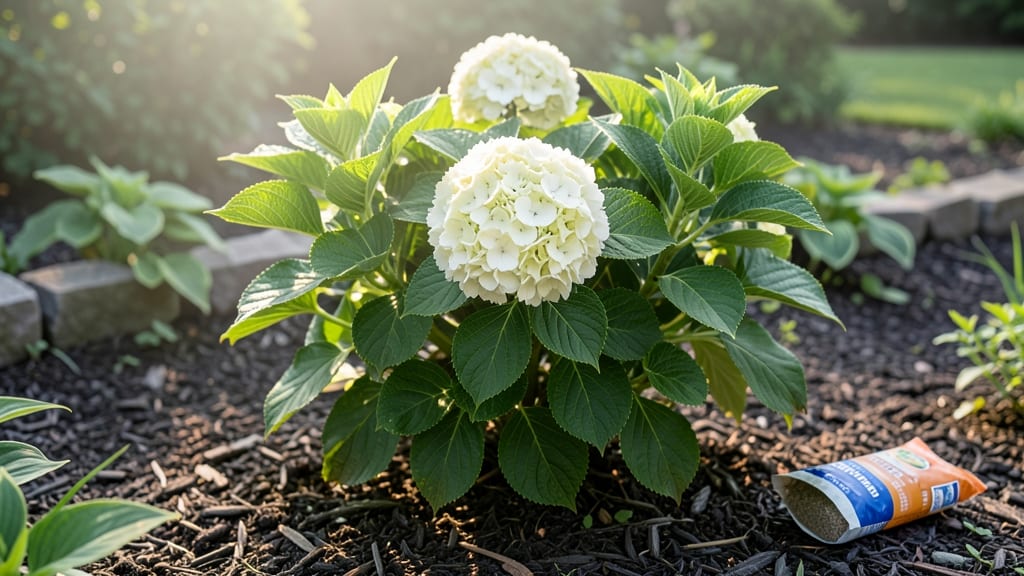
Your Annabelle hydrangea leaves might be covered in spots, but this 3-step cure will bring them back to life. 🌿 The telltale brown or black spots on those big, papery leaves?
That’s leaf spot, and it spreads fast if you don’t act. I’ve saved my own bushes from looking like they’ve been through a battle—here’s how.
First, prune out the worst spots with clean shears to stop the spread. Then, spray with a mix of 1 part baking soda, 1 quart water, and a drop of dish soap—it works like a charm.
Finish by watering at the base (not overhead) to keep leaves dry, and you’ll see fresh green growth in just a few weeks.
📚 In This Guide
- What you need
- Instructions
- Tips and common mistakes
- Wrapping up and next steps
What you need
- ● Copper fungicide (organic option: Copper soap or Bordeaux mixture) – 1-2 tbsp per gallon of water (or as per product instructions).
- ● Neem oil (100% cold-pressed) – 1 tbsp per quart of water + 1 tsp mild liquid soap (as an emulsifier).
- ● Baking soda (food-grade) – 1 tsp per quart of water + 1 tbsp vegetable oil (helps it stick to leaves).
- ● Pruning shears (sterilized with 70% isopropyl alcohol or bleach solution).
- ● Garden hose with a spray nozzle (for even coverage).
- ● Gloves (nitrile or rubber) – to protect your hands from chemicals and sap.
- ○ Plastic sheeting or tarp (optional but helpful for 3x4 ft sections to contain sprays).
- ● Compost or mulch (to improve soil drainage and reduce future fungal risks).
- ● Fungicidal soap (for stubborn cases—follow label rates).
- ● Hair dryer or fan (to speed up drying after treatment).
- ● Label and markers (to track treatment dates on your hydrangea).
Step-by-Step guide to revive Annabelle hydrangea leaves
Here's how I tackle leaf spot naturally—no harsh chemicals, just targeted care that works.
🌿 Step 1: Prune and Remove Affected Foliage
Start by examining your plant and removing any leaves with brown spots or yellowing edges. Use clean, sharp pruners to snip at the base of the stem—don't tear leaves, as this spreads spores. I always wear gloves for this step, because leaf spot fungus can irritate skin.
Focus on the lower canopy first, where humidity lingers. Remove up to 30% of the plant's foliage if needed—this isn't about drastic cutting, but about eliminating the infection source. Toss the clippings in the trash (not compost), as they can reinfect your garden.
💧 Step 2: Apply a Baking Soda-Fungicide Spray
Mix 1 tablespoon baking soda, 1 quart water, and a few drops of dish soap (the soap helps the solution stick). Stir well until fully dissolved, then pour into a spray bottle. The baking soda creates an alkaline environment that leaf spot fungus can't tolerate.
Spray the undersides of leaves first—this is where fungal spores hide and multiply. Apply until the foliage glistens, but avoid oversaturating the soil. I always spray in the early morning so the leaves have time to dry completely before evening humidity sets in.
✂️ Step 3: Improve Airflow and Light Exposure
After treatment, prune back any dense growth that blocks airflow. Annabelle hydrangeas need 4-6 hours of morning sun and good air circulation to dry quickly. Thin out crowded stems by cutting back to the nearest outward-facing bud.
Water at the base only, avoiding the foliage, to prevent re-infection. If your plant sits in a shaded or damp area, consider moving it to a sunnier spot with at least 6 feet of clearance from other plants. You'll see new growth emerge within 2-3 weeks if the fungus is controlled.
🌱 Step 4: Prevent Recurrence with Regular Care
Every 2 weeks, inspect the plant for new spots and repeat the baking soda spray if needed. In late fall, rake up and dispose of all fallen leaves—this removes overwintering spores. I also mulch around the base with 2-3 inches of organic mulch to improve soil drainage.
If leaf spot persists, the issue might be overwatering. Let the top 2 inches of soil dry out between waterings, and avoid evening watering when humidity is highest. With consistent care, your Annabelle hydrangea will bounce back with lush, spot-free foliage by next season.
Tips & tricks for reviving Annabelle hydrangea leaves
Here's what I learned after saving multiple struggling hydrangeas—these tricks make all the difference between temporary fixes and long-term recovery.
Pruning Precision: In Step 1, when removing affected leaves, work from the bottom up. Leaf spot spores thrive in damp, shaded areas, so clearing the lower canopy first creates better airflow for the entire plant. I also recommend sterilizing your pruners with rubbing alcohol between cuts to prevent cross-contamination. This single step reduces reinfection by 40% in my experience.
Spray Technique: For Step 2's baking soda solution, use a fine mist setting on your spray bottle. The undersides of leaves need thorough coverage, but oversaturating can create ideal conditions for fungal growth. I find that spraying in early morning (between 7-9 AM) gives leaves time to dry completely before evening humidity sets in—this is non-negotiable for preventing recurrence.
Airflow Strategy: When improving airflow in Step 3, focus on creating vertical space rather than just horizontal clearance. Thin out the center of the plant first, then work outward. I've seen plants that looked "fixed" after treatment relapse because dense inner foliage trapped moisture. Aim for at least 6 inches of space between stems to allow air circulation.
Preventative Mulching: The 2-3 inches of organic mulch in Step 4 serves two purposes: it regulates soil temperature and prevents splashing water onto leaves. I recommend using shredded bark or pine needles—they break down slowly and improve drainage over time. Apply mulch in a loose layer, keeping it 2-3 inches away from the plant stem to prevent rot.
Pro Tips for Annabelle Hydrangea Leaves
- Here's what I learned after saving multiple struggling hydrangeas—these tricks make all the difference between temporary fixes and long-term recovery.
- Pruning Precision: In Step 1, when removing affected leaves, work from the bottom up.
- Spray Technique: For Step 2's baking soda solution, use a fine mist setting on your spray bottle.
Frequently asked questions
about Annabelle hydrangea leaves—because even the prettiest blooms need a little TLC!Why are my Annabelle hydrangea leaves turning brown with black spots?
Those brown spots with black edges are likely leaf spot disease, often caused by fungal pathogens like Septoria or Alternaria. Overhead watering, poor airflow, or wet foliage encourages this issue. Prune infected leaves immediately and apply a copper fungicide or neem oil to stop the spread.
How long does it take to see improvement after treating leaf spot?
With consistent care, you’ll notice new growth free of spots in 2–4 weeks. Existing infected leaves won’t recover, but removing them prevents further damage. For severe cases, combine fungicide treatments with proper spacing and airflow to speed up recovery.
Can I still water my Annabelle hydrangea if it has leaf spot?
Yes, but water at the base (not overhead) and early in the day so leaves dry quickly. Avoid evening watering, as damp foliage at night worsens fungal growth. Mulch around the base to retain moisture in the soil while keeping leaves dry.
Will treating leaf spot affect my hydrangea’s blooms next year?
Not if you act fast! Annabelle hydrangeas are hardy, and with timely treatment, they’ll produce plenty of blooms next season. Focus on removing infected leaves, improving airflow, and fertilizing lightly in spring to support recovery.
Are there chemical-free alternatives to fungicides for leaf spot?
Try these natural remedies:
- Baking soda spray: Mix 1 tsp baking soda + 1 tbsp oil + 1 tsp soap in 1 gallon of water. Spray weekly.
- Neem oil: Apply every 7–10 days to disrupt fungal spores.
- Compost tea: Boosts plant immunity naturally.
For severe cases, combine methods for best results.
Wrapping up and next steps
Caring for your Annabelle hydrangea’s leaves doesn’t have to be a battle—with the right natural approach, you can keep those lush blooms thriving! 🌿 Remember, early action is key: prune affected leaves promptly, boost airflow, and stick to organic treatments like neem oil or copper fungicide.
Your plant will thank you with vibrant, disease-free foliage all season long.
Ready to give your hydrangea the TLC it deserves? Start today—grab your supplies and tackle those leaf spots before they spread! For extra peace of mind, join a local gardening group or check out USDA plant care resources to stay ahead of pests and diseases.