
Flowers
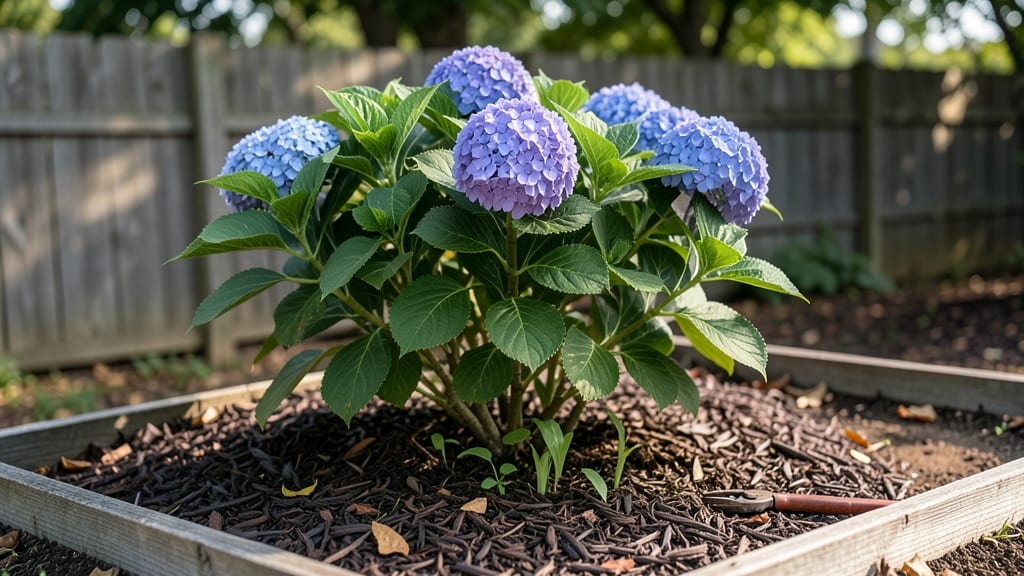
Growing hydrangeas in Indiana means embracing the state's humid summers and unpredictable springs—where the real magic happens is in the right soil prep and timing. 🌿 I've learned that Indiana's clay-heavy soil needs a boost of organic matter to drain properly, and planting in late April or early May (after the last frost) gives roots time to establish before summer's heat.
The key is mimicking their natural woodland habitat: partial shade in the afternoon protects blooms from scorching, while morning sun keeps flowers vibrant. Mulch heavily to retain moisture—Indiana summers can dry out even the hardiest plants—and watch for powdery mildew, which thrives in our humidity.
A single application of fungicide in early summer often prevents outbreaks entirely. By late summer, you'll see those iconic blooms—whether blue, pink, or white—transforming your garden into a showstopper. The secret to lasting color? Consistent moisture and a balanced fertilizer in early spring.
Even in Indiana's variable climate, hydrangeas reward patience with three months of stunning blooms from midsummer to fall. Winter prep is simple: wrap young plants in burlap or add extra mulch to protect roots from freeze-thaw cycles.
Established bushes handle Indiana winters just fine, but this small step ensures next year's blooms start strong. Trust me, the effort pays off in spades.
📚 In This Guide
- What you need
- Instructions
- Tips and common mistakes
- Wrapping up and next steps
What you need
- ● Hydrangea plants: Choose between mophead, lacecap, or panicle varieties (3–5 plants for a full display). Opt for local nursery stock (e.g., Hydrangea macrophylla or H. paniculata) to ensure hardiness in Indiana’s summers.
- ● Well-draining potting soil: A 50-quart bag of miracle-gro potting mix or a 50/50 blend of garden soil and compost (avoid heavy clay soil).
- ● Organic mulch: 2–3 cubic feet of pine bark fines or shredded hardwood mulch to retain moisture and regulate soil temperature.
- ● Slow-release fertilizer: A 10–10–10 NPK granular fertilizer (1 lb per plant) or osmocote (14-14-14) for steady nutrition.
- ● Watering can or hose with a gentle spray nozzle: For deep, 1–2 inches of water per week (more during Indiana’s humid summers).
- ● Garden trowel or spade: For planting and transplanting.
- ● Pruning shears: Felco F-2 or Bypass pruners for shaping and deadheading.
- ● Gloves & long sleeves: Indiana’s stinging nettles or thorny bushes can be sneaky!
- ● pH test kit: Hydrangeas prefer acidic soil (pH 5.2–6.0). Adjust with sulfur or peat moss if needed.
- ○ Optional but helpful: Aluminum sulfate (for blue blooms) or lime (for pink blooms).
- ● Drip irrigation system for automated watering in dry spells.
- ● Shade cloth (30–50%) to protect young plants from intense Indiana sun.
Instructions for planting and caring for hydrangeas in Indiana
Indiana’s humid summers and Zone 6 climate create perfect conditions for hydrangeas—here’s how to set them up for vibrant blooms.
🌱 Step 1: Choose the Right Variety and Planting Location
Indiana’s summers favor mophead or panicle hydrangeas for their heat tolerance. Avoid oakleaf varieties—they struggle with our high humidity. Plant in morning sun with afternoon shade to prevent leaf scorch, especially in July and August when temperatures climb above 85°F. A north- or east-facing spot with dappled light works best.
Test your soil’s pH—hydrangeas thrive in 5.5-6.2 for blue blooms or 6.5-7.0 for pink. If your soil is alkaline (common in Indiana), amend with sulfur or peat moss before planting. Dig a hole twice as wide as the root ball but only as deep—planting too deep suffocates roots and causes rot.
💧 Step 2: Plant and Water for Establishment
Remove the hydrangea from its container and loosen any circling roots. Place it in the hole so the top of the root ball sits level with the soil surface—never bury the stem. Backfill with native soil mixed with 2 inches of compost to improve drainage and fertility. Water deeply to settle the soil, then add 1 inch of mulch (shredded bark works well) to retain moisture and regulate temperature.
Water twice weekly for the first 4-6 weeks until roots establish. You’ll know it’s working when new leaves emerge and the plant stops wilting in the afternoon heat. Avoid overhead watering—it spreads fungal diseases like powdery mildew, which thrives in Indiana’s humidity.
☀️ Step 3: Prune and Fertilize for Zone 6 Success
Prune mophead and bigleaf hydrangeas in late winter or early spring (February-March) before new growth starts. Cut back old wood (last year’s stems) by one-third to encourage bushier growth. For panicle hydrangeas, prune in late winter to shape the plant and remove dead stems—these bloom on new wood, so you can be more aggressive.
Fertilize in early spring with a balanced 10-10-10 formula. Over-fertilizing leads to lush foliage but fewer blooms. If your soil is acidic, add hydrangea-specific fertilizer with aluminum sulfate to intensify blue flower colors. Stop fertilizing by mid-July to let the plant focus on blooming, not leaf growth.
✂️ Step 4: Maintain Through Summer and Prepare for Winter
Monitor for aphids or spider mites—common pests in Indiana’s heat. Spray with neem oil if you see sticky residue on leaves or fine webbing. Deadhead spent blooms in late summer to encourage a second flush of flowers on panicle varieties. For mophead types, leave some blooms to set seed for next year’s growth.
In late fall, apply 3-4 inches of mulch around the base to insulate roots from freezing temperatures. Hydrangeas are hardy to Zone 6, but young plants may need winter protection if temperatures drop below 10°F. Wrap the base with burlap or use a frost blanket for the first two winters after planting.
🌿 Step 5: Adjust Care for Seasonal Color Changes
To shift flower colors, adjust soil pH in early spring before blooms form. For bluer blooms, add aluminum sulfate (follow package rates). For pink, apply lime to raise pH. Test soil pH again in fall—Indiana’s clay soil can neutralize amendments over time. Divide mature plants every 3-4 years in early spring to rejuvenate growth, but avoid this in odd-numbered years (like 2025) when blooms are forming.
Watch for bud blast—when buds form but fail to open. This often happens in wet springs or if the plant is stressed from drought. If it occurs, reduce watering slightly in late summer to harden off new growth before fall.
Tips & tricks for thriving hydrangeas in Indiana's climate
Indiana's unique growing conditions demand a few strategic adjustments to keep your hydrangeas flourishing. Here's what I've learned after years of working with these beauties in Zone 6's humidity.
Location Precision: When selecting that perfect morning sun with afternoon shade spot, pay special attention to the east-facing side of your property. This receives gentle morning sunlight while avoiding the intense afternoon heat that can scorch leaves above 85°F. I've found that even a slight variation in exposure—like planting near a large tree—can dramatically affect bloom quality by altering light intensity and temperature fluctuations.
Soil Science: Indiana's naturally alkaline clay soil often needs serious attention. For that vibrant blue you're after, aim for a 5.5-6.2 pH range—this isn't just about adding sulfur or peat moss. I recommend testing your soil annually in spring, as Indiana's heavy rainfall can quickly neutralize amendments. The key is patience: soil pH changes take time, so start adjusting 6 months before you want to see color changes in your blooms.
Watering Wisdom: That twice-weekly watering for the first 4-6 weeks is non-negotiable, but timing matters just as much. Water in the early morning to allow leaves to dry completely before afternoon humidity peaks. I've seen powdery mildew outbreaks skyrocket when gardeners water in the evening—this fungus thrives in Indiana's damp conditions. Consider installing a drip irrigation system to deliver water directly to the soil while keeping foliage dry.
Winter Protection Strategy: While hydrangeas are Zone 6 hardy, young plants need special care when temperatures drop below 10°F. The 3-4 inches of mulch recommendation is excellent, but don't stop there. I wrap the base with burlap and secure it with landscape staples, creating a protective cylinder. This simple technique has saved countless plants from the harsh Indiana winters I've experienced—especially in those unpredictable late-season freezes.
Pro Tips for Hydrangeas In Indiana
- Indiana's unique growing conditions demand a few strategic adjustments to keep your hydrangeas flourishing.
- Location Precision: When selecting that perfect morning sun with afternoon shade spot, pay special attention to the east-facing side of your property.
- Soil Science: Indiana's naturally alkaline clay soil often needs serious attention.
Frequently asked questions
Got questions about growing hydrangeas in Indiana’s unique climate? You’re not alone!
Here are answers to the most common concerns—from planting tips to troubleshooting—so your blooms stay vibrant all season.
When is the best time to plant hydrangeas in Indiana?
Plant mophead or panicle hydrangeas in early spring (March–April) or fall (September–October) for optimal root establishment. Indiana’s Zone 6 climate means avoiding late spring/early summer heat stress. Give them time to settle before winter’s chill!
How often should I water hydrangeas in Indiana’s humid summers?
Water deeply 1–2 times per week (more in extreme heat). Indiana’s humidity can trick you—check soil moisture 2 inches down; if dry, hydrate! Mulch (2–3 inches) retains moisture and protects roots. Note: Overwatering causes root rot, so balance is key.
Why aren’t my hydrangeas blooming in Indiana?
Most Indiana-friendly varieties (like Endless Summer) bloom on old wood, so prune after flowering (late summer/fall). Panicle types bloom on new wood—prune in late winter/early spring. Poor blooms may also signal underfeeding (use acid-loving fertilizer) or too much shade.
What pests or diseases should I watch for in Indiana?
Common threats include:
- Slugs/snails: Rampant in Indiana’s damp summers. Use beer traps or diatomaceous earth.
- Powdery mildew: White dust on leaves? Improve airflow and avoid overhead watering.
- Japanese beetles: Handpick or use neem oil. These pests devour petals!
Are there hydrangea alternatives for Indiana’s clay soil?
Yes! Try:
- Butterfly bush (Buddleia): Drought-tolerant, attracts pollinators, thrives in clay.
- Coneflower (Echinacea): Low-maintenance, loves full sun, and blooms reliably.
- Smoke bush (Cotinus): Handles humidity and poor soil with flamboyant foliage.
For hydrangeas, amend clay soil with compost or peat moss to improve drainage.
Wrapping up and next steps
Growing hydrangeas in Indiana’s Zone 6 climate is absolutely doable—and oh-so-rewarding! 🌸 With the right variety, soil prep, and a little TLC, you’ll enjoy lush blooms that steal the show from spring to fall.
Whether you’re a seasoned gardener or just starting out, these hardy beauties are your ticket to curb appeal and natural charm.
Ready to dive in? Start small—pick a sunny or partially shaded spot, grab your favorite hydrangea type (like Endless Summer or Annabelle), and get planting! Before you know it, your garden will be bursting with color, and you’ll be the envy of the neighborhood. Happy gardening!