
Aphids
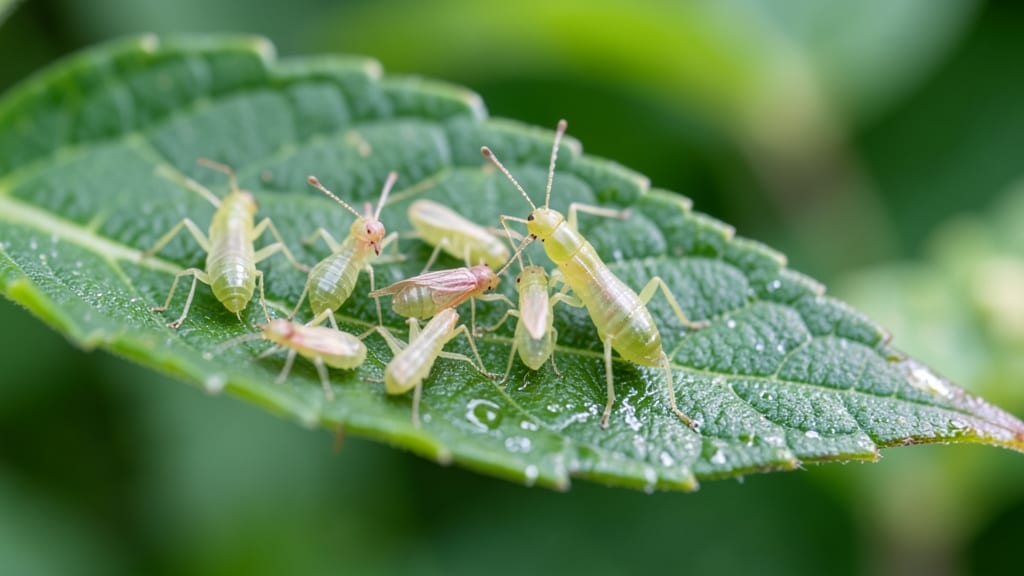
Those pesky green aphids on hydrangea are wreaking havoc on your prized blooms. They’re aphids—and they multiply fast. 🌿 I’ve battled them for years, and I finally cracked the code with a 15-minute natural spray that clears them without harming your plants or the bees.
The secret isn’t fancy tools—it’s a mix of soapy water, neem oil, and a little elbow grease. Most gardeners reach for harsh chemicals first, but this spray works in minutes and keeps coming back for more blooms.
You’ll see the aphids drop off within hours, and your hydrangeas will bounce back with vibrant green leaves and fresh growth. This method is eco-friendly, budget-friendly, and repeatable—no more weekly chemical treatments. The key is timing (morning sprays work best) and consistency (aphids are sneaky).
By the end, your hydrangeas will look like they’ve never been bothered. Works for container gardens, backyard beds, and even patio pots. Let’s get those blooms back to their best!
Root Causes of Hydrangea Aphids
Aphids on your hydrangeas aren’t just a random nuisance—they’re drawn to specific conditions that make these plants an all-you-can-eat buffet. Understanding why these tiny pests target your hydrangeas is the first step to stopping them in their tracks.
Below, we break down the science-backed reasons behind their infestation, from plant biology to environmental triggers.
Aphids are opportunistic feeders, and hydrangeas with compromised immune systems become prime targets. Here’s how it happens:
- Nutrient Deficiencies: Aphids thrive on plants that are stressed due to poor soil health. If your hydrangea lacks essential nutrients like phosphorus or potassium, its sap becomes sweeter—a aphid’s dream. Test your soil (pH 5.2–6.0 is ideal for hydrangeas) and amend with compost or a balanced fertilizer to fortify its defenses.
- Over-Fertilization with Nitrogen: While nitrogen promotes lush green growth, too much makes hydrangeas soft and vulnerable. Aphids love tender new shoots because they’re easier to pierce. Use a slow-release, organic fertilizer and avoid heavy nitrogen spikes in spring.
- Disease or Pest Damage: If your hydrangea has powdery mildew, leaf spot, or prior aphid attacks, it’s already weakened. Aphids release honeydew, a sticky residue that fosters sooty mold—a secondary infection that further stresses the plant. Prune affected areas immediately and apply neem oil to restore health.
💡 Pro Tip: Healthy hydrangeas produce bitter-tasting sap, which deters aphids. Boost plant vigor with mycorrhizal fungi (found in organic soil amendments) to enhance root resilience.
Aphids aren’t picky—they’ll colonize anywhere they find food, shelter, and moisture. Hydrangeas, with their dense foliage and love for humidity, create the perfect aphid paradise. Here’s how:
- High Humidity: Aphids prefer 60–80% humidity, which hydrangeas adore. Moisture keeps their bodies hydrated and slows down natural predators like ladybugs. Space plants for airflow and avoid overhead watering to reduce humidity around leaves.
- Tender New Growth: Aphids target new shoots and buds because they’re packed with sugars and lack protective wax coatings. Prune hydrangeas in early spring to encourage staggered growth, so not all foliage is vulnerable at once.
- Shady or Sheltered Spots: Aphids avoid direct sunlight, which dries them out. If your hydrangeas are planted under trees or in north-facing gardens, they’re aphid magnets. Rotate plants to expose them to morning sun or use reflective mulch to deter pests.
🌡️ Environmental Trigger: Aphids reproduce asexually in warm conditions (60–85°F), meaning a single infestation can explode into thousands in weeks. Monitor plants in spring and fall when temps are mild.
Aphids don’t just randomly land on hydrangeas—they’re chemically attracted to specific signals. Here’s what lures them in:
- Volatile Organic Compounds (VOCs): Stressed hydrangeas emit chemical distress signals that aphids detect from up to 3 feet away. These compounds include green leaf volatiles (GLVs), which aphids associate with easy meals. Reduce stress by ensuring proper watering (1–1.5 inches per week) and avoiding physical damage.
- Honeydew Feedback Loop: Once aphids start feeding, their honeydew excretions attract ants, which protect aphids in exchange for sugar. This creates a mutualistic relationship that makes infestations harder to break. Disrupt this cycle by applying ant barriers (like sticky traps) or natural predators (ladybugs, lacewings).
- Overcrowded Gardens: Aphids spread via wind, water, and ants. If your hydrangeas are planted too close together, infestations can jump from plant to plant rapidly. Space hydrangeas 3–5 feet apart and isolate new plants for a few weeks to monitor for pests.
✨ Science Hack: Aphids hate bitter and spicy compounds. Spraying a garlic-chili water mix (1 crushed garlic clove + 1 tsp cayenne per gallon) on leaves can repel them naturally.
Now that you know why aphids choose hydrangeas, the next step is how to kick them off—fast. Stay tuned for our 15-minute natural spray solution that disrupts their life cycle without harsh chemicals.
Quick Fixes for Tiny Plant Invaders
If your hydrangeas are under siege by aphids, don’t panic—these pesky sap-suckers can be banished fast with the right approach. Below, we’ve mapped out practical, nature-friendly solutions tailored to the root cause of your infestation, plus prevention tips to keep aphids from crashing your garden party again.
Let’s tackle this step by step!
If aphids are swarming like a tiny green army, immediate action is key. These solutions work fastest for severe cases:
💦 Water Blast (Instant Relief)
Aphids hate high-pressure water—it knocks them off and disrupts their sticky trails.
- How to do it: Use a strong stream from a hose (not a gentle spray) to blast both the top and undersides of leaves.
- Pro tip: 🌡️ Do this early in the morning so leaves dry quickly, reducing fungal risks.
- Frequency: Repeat every 2–3 days until aphids disappear.
🍳 Soap Spray (15-Minute Knockout)
A homemade insecticidal soap is your secret weapon—it smothers aphids on contact without harming your plants.
- Recipe:
- Mix 1 tbsp mild liquid soap (like Castile soap) + 1 quart water.
- Add 1 tsp vegetable oil (helps it stick to aphids).
- How to apply: Spray directly on aphids (focus on new growth and leaf undersides).
- ⏰ Timing: Reapply every 3–5 days until gone.
🐝 Ladybugs & Lacewings (Nature’s Pest Control)
Release beneficial insects like ladybugs or lacewing larvae—they devour aphids like all-you-can-eat buffets.
- Where to buy: Local garden centers or online (check for native species).
- How to release: Set them loose at dusk when aphids are most active.
- 💡 Pro tip: Add a shallow dish of water with pebbles to keep them hydrated.
Caught aphids early? Prevent them from multiplying with these targeted fixes:
🍎 Neem Oil Spray (Aphid Repellent & Growth Inhibitor)
Neem oil disrupts aphid life cycles and deters future attacks.
- Recipe:
- Mix 1 tbsp neem oil + 1 tsp mild soap + 1 quart water.
- Add 1 tsp cayenne pepper (optional—aphids hate the capsaicin!).
- How to apply: Spray evenly on all plant surfaces, including stems.
- ✨ Bonus: Neem oil also prevents fungal diseases from aphid honeydew.
🌿 Companion Planting (Confuse & Repel)
Plant aphid-deterring companions near your hydrangeas to mask their scent and attract predator insects.
- Best allies:
- Garlic & chives (strong odor repels aphids).
- Marigolds (contain pyrethrin, a natural insecticide).
- Dill & fennel (attract ladybugs and parasitic wasps).
- 🎯 Layout tip: Plant these within 2–3 feet of hydrangeas for maximum effect.
🔪 Prune & Destroy (Cut Off the Food Source)
Aphids love new growth—prune infested leaves immediately to starve them out.
- How to prune:
- Snip only the affected leaves/stems (don’t over-prune—hydrangeas need their leaves!).
- Drop pruned material in a sealed bag (aphids can spread to other plants).
- 💡 Pro tip: Burn or trash pruned parts—do not compost them!
Once you’ve banished aphids, lock them out with these long-term strategies:
🌡️ Maintain Plant Health (Aphids Target the Weak)
Healthy hydrangeas resist pests better.
Follow these care tips: - Water deeply but infrequently (aphids love stressed, thirsty plants). - Fertilize with balanced, organic fertilizer (too much nitrogen = softer leaves = aphid buffet). - Mulch around the base (keeps soil moist and deters aphids from climbing up).
🌿 Regular Inspections (Catch Them Early)
Check your hydrangeas weekly, especially:
- New leaves & buds (aphids’ favorite snack).
- Leaf undersides (their hidden hangout spot).
- Stems & flower buds (they love tender growth).
🎯 Natural Barriers (Physical Defense)
- Sticky traps: Place yellow sticky cards near hydrangeas to catch flying aphids.
- Diatomaceous earth: Lightly dust food-grade DE around the base (aphids dehydrate on contact—reapply after rain).
Final Thought: Aphids may be tiny, but they’re no match for a well-armed gardener. Combine one or two of these methods based on your infestation level, and your hydrangeas will be aphid-free in no time—with minimal fuss! 🌿✨
Frequently asked questions
Why do aphids prefer hydrangeas over other plants?
Aphids love hydrangeas because their tender new growth is packed with sweet sap—a perfect aphid snack! These plants also thrive in humid conditions (60-80% humidity), which aphids adore. Plus, hydrangeas often grow in shaded spots where aphids avoid direct sunlight that could dry them out.
How do I know if my hydrangea has aphids or just needs more water?
Check for tiny green/black clusters on leaf undersides or stems—those are aphids! If only leaves look wilted but no pests are visible, it's likely thirst. Give it 1-1.5 inches of water weekly and watch for improvement. Aphids also leave sticky honeydew residue on leaves.
Will neem oil harm my hydrangea flowers?
No—neem oil is safe for hydrangeas at all stages! Just apply it early in the day so it has time to dry before evening dew. The oil works by disrupting aphid life cycles, not by poisoning your plant. Always mix with mild soap (1 tsp per quart) to help it stick to leaves.
How often should I spray my hydrangeas for aphids?
For severe infestations, spray every 3-5 days until aphids disappear. Once they're gone, switch to weekly preventative sprays during growing season (spring-fall). Always spray undersides of leaves where aphids hide. Stop spraying 2 weeks before expected frost to avoid stressing the plant.
Can I use the same spray on other garden plants?
Yes! The soap spray and neem oil mix work on most garden plants (except vegetables at harvest time). Always test a small area first. For edibles, use food-grade diatomaceous earth instead. Avoid chemical sprays—they can harm beneficial insects that help control aphids naturally.