
Light Requirements
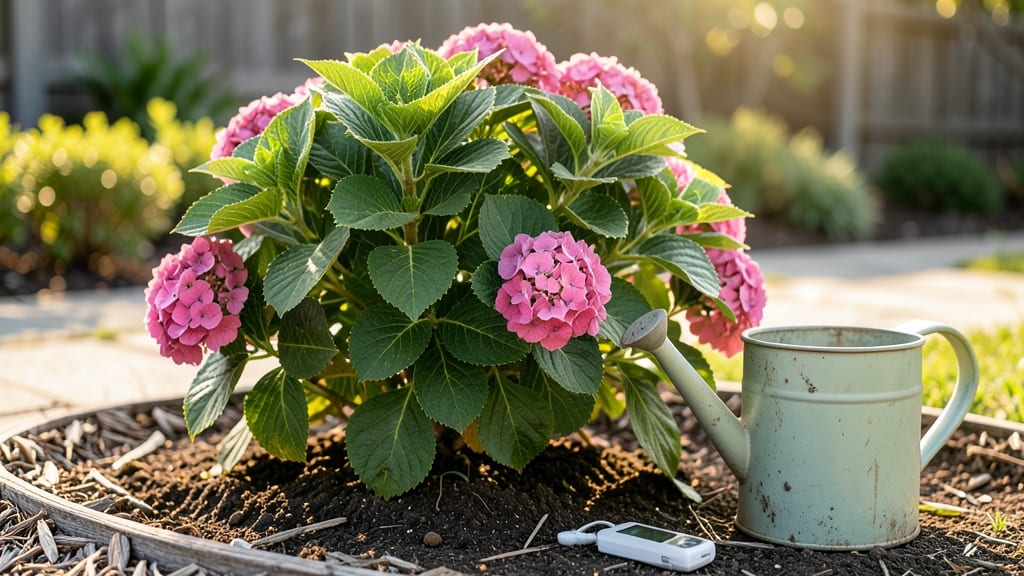
Hydrangeas can survive in full sun only under specific conditions: most varieties thrive in partial shade, but heat-tolerant types like 'Limelight' or 'Endless Summer' may endure 4-6 hours of direct sun daily if soil stays consistently moist and mulched. Over-exposure risks leaf scorch and flower stress, especially in hot climates.
Most hydrangeas originated in shaded forest understories, so their leaves lack the protective wax coatings found in sun-loving plants. 🌞 The 'Limelight' and 'Endless Summer' varieties stand out because their breeding prioritized heat resistance, but even they need consistent moisture to prevent wilting.
I've seen dramatic differences in growth when I mulch heavily—keeping roots cool and hydrated makes all the difference in full-sun gardens.
For other varieties, morning sun with afternoon shade is ideal. The key is monitoring leaf color: yellowing or crispy edges signal too much sun exposure. During heatwaves, I recommend temporary shade cloth (30-50% coverage) to protect vulnerable plants while they adjust.
💡 In This Article
- Heat Tolerance in Hydrangeas: Variety-Specific Sun Requirements
- Protecting Hydrangeas from Full Sun: Soil, Watering, and Mulching Tips
Heat tolerance in hydrangeas: variety-specific sun requirements
Hydrangeas evolved in shaded forest environments, so their sun tolerance varies dramatically by species. Bigleaf hydrangeas (Hydrangea macrophylla), like 'Nikko Blue,' have delicate leaves with minimal wax coating, making them highly sensitive to full sun.
Studies show these varieties experience photosynthetic damage when exposed to more than 2-3 hours of direct afternoon sun, as temperatures exceed 85°F. Their native understory habitats receive dappled sunlight, not the intense midday rays that cause leaf scorch.
In contrast, panicle hydrangeas (Hydrangea paniculata), such as 'Limelight,' developed thicker leaf cuticles and deeper root systems in their native Asian woodlands. These adaptations allow them to handle 4-6 hours of full sun when soil moisture remains consistent.
The 'Endless Summer' series even blooms on old wood, giving it a slight edge in heat tolerance. Oakleaf hydrangeas (Hydrangea quercifolia) fall in between, tolerating morning sun but requiring afternoon shade to prevent leaf burn.
The physiological difference lies in their stomatal regulation—sun-tolerant varieties can close stomata (leaf pores) more efficiently during heat stress, reducing water loss.
Bigleaf types, however, transpire rapidly in full sun, leading to wilting within 2-3 hours of peak afternoon temperatures. 🌡️ This is why you'll often see their leaves curl or develop brown edges in hot climates.
Color changes also reveal sun stress: Bigleaf hydrangeas develop yellowing between veins (chlorosis) when overheated, while panicle types may show crispy leaf margins. The pH-sensitive nature of bigleaf blooms adds another layer—alkaline soils combined with sun stress can cause flowers to revert to green, a common complaint in full-sun gardens.
For gardeners in USDA Zones 7-9, where summer temperatures frequently exceed 90°F, the choice becomes clear: select panicle or oakleaf varieties for full sun, or provide afternoon shade for bigleaf types. Even heat-tolerant varieties need 1-2 inches of mulch to maintain root-zone temperatures below 80°F during peak heat.
What most people don't realize is that hydrangea roots extend 12-18 inches deep, making them vulnerable to surface drying. This is why drip irrigation or soaker hoses work better than overhead watering—they deliver moisture directly to the root zone where it's needed most. 💧