
Pruning
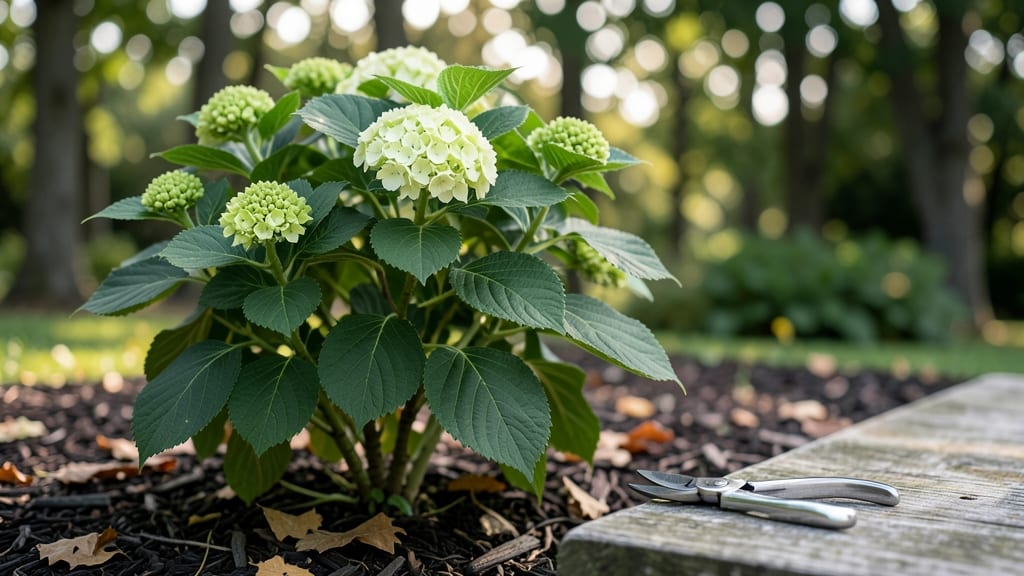
Pruning hydrangeas now depends entirely on your climate zone and variety—only warm-zone growers (USDA 8-11) or those doing late-dormant pruning (after buds appear) can trim now. Cold-climate gardeners (USDA 3-7) must wait until late winter or early spring before buds swell. Fall pruning is a no-go—it invites winter damage and slashes next year's blooms.
Your hydrangea's pruning window hinges on two key factors: your USDA hardiness zone and the specific variety you're growing. 🌿 For example, mophead hydrangeas (like 'Endless Summer') bloom on old wood, so pruning too early can mean no flowers next season.
Meanwhile, panicle types (such as 'Limelight') thrive with late-summer cuts because they bloom on new growth. I always check my local frost dates—even a single late frost can turn a well-timed prune into a disaster if buds haven't hardened off yet.
Here's the golden rule: if you're in zones 3-7, mark your calendar for late February to early April, right when forsythia blooms signal spring's arrival. This timing gives your plants time to recover before summer heat arrives.
For warm zones (8-11), you've got more flexibility—just avoid cutting after buds form to preserve next year's flowers.
💡 In This Article
- Hydrangea Pruning Rules by Type and Climate Zone
- Step-by-Step Pruning Guide for Late-Winter/Spring Hydrangeas
Hydrangea pruning rules by type and climate zone
Hydrangea pruning timing varies dramatically because different varieties bloom on different wood types. Mophead hydrangeas (like 'Endless Summer') produce flowers on old wood—last year's growth—which means pruning too early removes next year's blooms entirely.
These varieties need their pruning done immediately after flowering, typically in late summer or early fall, but only in warm zones (USDA 8-11) where winters are mild. In colder regions, even late-summer pruning risks winter dieback from frost-sensitive buds.
Panicle hydrangeas (such as 'Limelight' or 'Little Lime') are far more forgiving because they bloom on new wood, allowing pruning anytime from late winter to early spring.
Oakleaf hydrangeas (like 'Annabelle') fall somewhere in between—they bloom on both old and new wood, so pruning should be light and done in late winter to early spring to preserve some old-wood flowers while encouraging new growth.
The key difference lies in their cold hardiness: oakleaf varieties can handle -20°F temperatures, while mopheads typically max out at 10°F.
Your USDA zone determines when buds form and when they're safe to prune. In zones 3-7, buds typically swell in late April to early May, signaling the last safe window for pruning. This timing aligns with the 10% bloom stage of forsythia trees, a natural indicator gardeners use.
In contrast, warm zones (8-11) see bud formation as early as February, meaning pruning can safely occur in late winter without risking winter damage. The critical factor is always the last expected frost date—pruning too early leaves plants vulnerable to cold snaps.
Here's a quick reference for visual identification of pruning readiness: look for swollen buds (about the size of a pea) on the stems. These indicate the plant has completed dormancy and is preparing for new growth.
For mopheads, you'll also see last year's flower heads turning brown and woody—this is your cue to prune immediately after they've fully dried.
In panicle types, you might see small green shoots emerging from the base, signaling it's safe to cut back 1/3 of the plant's height to encourage bushier growth.
One common mistake is assuming all hydrangeas follow the same rules. For example, bigleaf hydrangeas (like 'Nikko Blue') require minimal pruning—just removing dead wood—because they bloom on old wood. Meanwhile, smooth hydrangeas (such as 'Grandiflora') can be pruned more aggressively in late winter because they bloom on new wood.
The science behind this involves the plant's apical dominance: pruning stimulates lateral buds to grow, but timing must align with the plant's natural growth cycle to avoid stress.
Consider this real-world example: in USDA Zone 6, where winters average 20-30°F, I've seen gardeners prune mopheads in early spring only to have their plants produce sparse blooms the following year. The issue?
They pruned too late, removing the old wood before it had a chance to harden off properly. The solution is to prune in late winter (February) when temperatures consistently stay above 32°F, giving the plant time to recover before summer heat arrives.