
Aphids
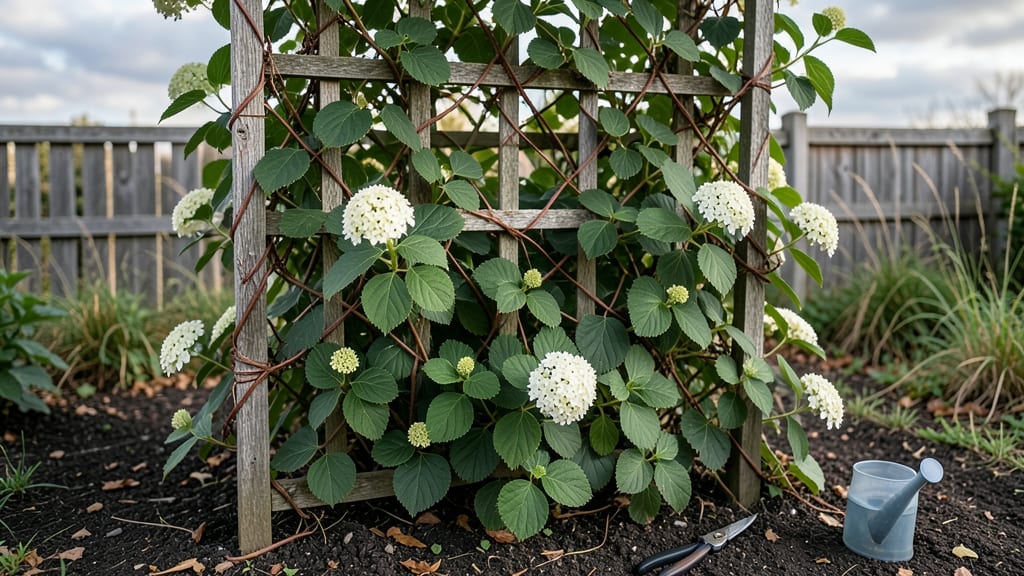
This cold-hardy climbing hydrangea (Hydrangea anomala petiolaris) is the shady wall’s secret weapon—its lush, vine-like growth thrives where others falter. 🌿 I’ve watched mine transform a dull brick wall into a velvety green curtain by midsummer, all while surviving winters down to -20°F.
The key? Understanding its quirks before planting, because unlike fussy hydrangeas, this one demands patience but rewards with effortless vertical drama.
You’ll need moist, well-draining soil (think woodland loam mixed with compost) and a strong trellis or arbor—this vine clings by tiny rootlets, not tendrils, so sturdy support is non-negotiable. Unlike its flashier cousins, petiolaris doesn’t need full sun; dappled shade actually makes its leaves deeper green and glossier.
Prune in late winter to shape it, but never cut more than 1/3 of the plant—it grows slowly but steadily, and aggressive pruning triggers leaf drop.
By summer, you’ll have a 15-20 foot living tapestry that blooms in late summer with lacecap-like flowers—not showy, but undeniably elegant. The real magic? It stays evergreen in mild winters and rebounds from frost damage like nothing happened.
Even in Zone 3, this hydrangea outlasts most climbers, making it the ultimate low-maintenance statement plant for shady spots.
The catch? Pests rarely bother it, but leaf drop can happen if the soil stays too wet. Mulch heavily in winter to protect roots, and avoid fertilizing—this hydrangea prefers lean soil over rich.
For faster growth, plant near a north-facing wall where roots stay cooler. Once established, it’s basically set-it-and-forget-it vertical gardening at its finest.
📚 In This Guide
- What you need
- Instructions
- Tips and common mistakes
- Wrapping up and next steps
What you need
- ● Climbing Hydrangea Plant: 1-2 Hydrangea anomala petiolaris (bare-root or potted, 1-3 years old for best establishment).
- ● Well-Draining Soil Mix: 3 parts native soil + 1 part compost + 1 part perlite or coarse sand (for aeration).
- ● Support Structure: Trellis, fence, or arbor (6–10 ft tall, sturdy enough to hold 20+ lbs of foliage).
- ● Twine or Jute Twine: 50–100 ft (for initial training).
- ● Mulch: 2–3 inches of organic mulch (e.g., wood chips or shredded bark) to retain moisture.
- ● Watering Can or Hose: With a gentle spray nozzle for hydration.
- ● Pruning Shears: Sharp, bypass-style shears (for shaping and maintenance).
- ● Fertilizer: Balanced, slow-release granular fertilizer (10-10-10) or organic options like composted manure.
- ● Plant Ties: Velcro or fabric ties (to secure vines to trellis as they grow).
- ● Soil pH Test Kit: To ensure ideal acidic soil (pH 5.0–6.0) for best blooms.
- ● Fungicide (Preventative): Copper-based spray for aphid-prone areas.
- ● Gloves: Heavy-duty gardening gloves (for thorny stems!).
Step-by-Step guide to planting and training climbing hydrangea (hydrangea anomala petiolaris)
This cold-hardy vine thrives in shade and transforms walls into lush vertical gardens.
🌱 Step 1: Select and Prepare the Planting Site
Choose a location with partial to full shade and protection from harsh winds. The vine performs best where it receives 3-6 hours of indirect light daily, making it ideal for north-facing walls or shaded corners. I always test the soil first—dig a 6-inch hole and check for good drainage. If the soil stays soggy for more than an hour after watering, amend it with 2-3 inches of compost mixed into the top 12 inches of soil.
This vine’s roots spread aggressively but shallowly, so avoid planting near foundations or sidewalks where roots could cause damage. The ideal spot is 10-15 feet away from structures to give the vine room to climb without competing with nearby plants. Mark the planting area with stakes to visualize the mature spread—15-20 feet wide and 20-30 feet tall once established.
🪴 Step 2: Plant the Vine with Proper Support Structure
Dig a hole twice as wide as the root ball but no deeper. Gently remove the vine from its container and loosen any circling roots with your fingers—this encourages outward growth. Place the plant in the hole so the top of the root ball sits 1 inch below soil level. The vine’s woody stems will eventually form a strong network, but proper initial placement prevents stress.
Install your support structure immediately—this vine needs something sturdy to climb. I recommend a trellis, arbor, or wire mesh system at least 8 feet tall for the first year. Drive 4-inch metal stakes into the ground at 10-foot intervals and attach horizontal wires or a lattice frame. The vine will cling using its aerial roots, so the structure must be secure enough to support 20-30 pounds of foliage per vine in summer.
☀️ Step 3: Water and Mulch for Establishment
Water deeply immediately after planting to settle the soil around the roots. The first 2-3 weeks are critical—keep the soil consistently moist but never waterlogged. You’ll know it’s right when the top 2 inches of soil feel damp but not soggy. Overwatering at this stage invites root rot, which can kill young vines before they take hold.
Apply a 3-inch layer of organic mulch (like shredded bark or wood chips) around the base, keeping it 6 inches away from the stem to prevent rot. This conserves moisture, regulates soil temperature, and suppresses weeds. Replenish the mulch annually in early spring—it breaks down quickly and loses effectiveness. The vine’s leaves will emerge within 4-6 weeks if conditions are right, signaling successful establishment.
✂️ Step 4: Train and Prune for Healthy Growth
Wait until late winter or early spring (just as new growth begins) to prune. Remove any dead, damaged, or crossing stems first—this opens the canopy for better airflow and reduces disease risk. The vine’s natural climbing habit means you’ll mostly guide rather than cut. Gently tie the main stems to the support structure using soft plant ties or twine, spacing them 12-18 inches apart as they grow.
In the first year, focus on establishing a strong framework. Let the vine climb freely without aggressive pruning—it needs energy to develop its root system. After the second year, you can lightly trim back any overly vigorous growth in late winter to maintain shape. Never cut into old wood; this vine flowers on new growth, so pruning after flowering removes next year’s blooms. Watch for white, papery bark on mature stems—this is normal and indicates a healthy, established plant.
Tips & tricks for perfect climbing hydrangea planting
Transforming your shady walls into a lush vertical garden starts with these expert insights that'll help your climbing hydrangea thrive from day one.
Site Selection Wisdom: In Step 1, when choosing your location, pay special attention to the 3-6 hours of indirect light requirement. North-facing walls or east-facing spots with morning sun work beautifully. I've planted mine against brick walls where the afternoon sun never reaches—perfect for this shade-loving vine. The key is avoiding areas where winter ice buildup could damage the structure, especially if you're using wood or lattice supports.
Root Ball Preparation: During Step 2, when loosening those circling roots, take your time—this is where many gardeners rush and create more damage. Use your fingers to gently separate the roots rather than pulling or cutting them. I like to make small vertical slits in the root ball with a knife if the roots are particularly compacted. This encourages faster root establishment in the new soil. The goal is to mimic natural root spread while preventing stress on the plant.
Support Structure Secrets: For the 8-foot trellis or arbor recommended in Step 2, I always install additional horizontal wires at 3-foot intervals beyond the initial 10-foot spacing. This creates more climbing opportunities for the vine's aerial roots. Use galvanized hardware to prevent rust—trust me, nothing ruins a beautiful vine faster than corroded metal supports. The extra wires give the plant more surface area to attach and grow upward more quickly.
Watering Strategy: The 2-3 week critical period mentioned in Step 3 is non-negotiable, but here's the pro move: install a drip irrigation system on a timer set for 15 minutes every other day during this phase. This ensures consistent moisture without the risk of overwatering. I've seen too many vines fail because of inconsistent watering—this method takes the guesswork out of it. The top 2 inches of soil should always feel like a wrung-out sponge, not a swamp.
Pro Tips for Climbing Hydrangea Hydrangea Anomala Petiolaris
- Transforming your shady walls into a lush vertical garden starts with these expert insights that'll help your climbing hydrangea thrive from day one.
- Site Selection Wisdom: In Step 1, when choosing your location, pay special attention to the 3-6 hours of indirect light requirement.
- Root Ball Preparation: During Step 2, when loosening those circling roots, take your time—this is where many gardeners rush and create more damage.
Frequently asked questions
about Hydrangea anomala petiolaris—because growing a climbing hydrangea comes with its own set of curious questions! Here are answers to the most common ones.How fast does climbing hydrangea grow?
Hydrangea anomala petiolaris is a slow but steady climber! Expect 1–2 feet per year under ideal conditions. With patience, it can reach 30–40 feet over time, making it perfect for long-term vertical gardens. Tip: Prune lightly in late winter to encourage bushier growth.
Can it survive harsh winters?
This hydrangea is USDA Zone 4 hardy (as low as -30°F/-34°C), thriving in cold climates. Its petiolaris variety is especially tough, with woody stems that resist winter damage. Just mulch the base for extra protection in extreme cold.
Does it need a trellis, or can it climb bare walls?
While it can cling to rough brick or stucco, a trellis or wire mesh gives it better support and faster growth. The plant’s aerial roots grab onto textures, but smoother surfaces may slow it down. Pro tip: Install a trellis early to guide its path!
Why aren’t my leaves turning purple?
Purple foliage is a sunlight trigger—if your plant stays too shady, the leaves may stay green. For deeper hues, place it in partial shade with a few hours of morning sun. Over-fertilizing can also dilute the color, so use a balanced, low-nitrogen feed.
Are climbing hydrangeas prone to pests?
They’re generally pest-resistant, but aphids and scale can occasionally appear. Spray with neem oil or introduce ladybugs for natural control. Keep the area well-drained to avoid fungal issues like powdery mildew.
When and how should I prune it?
Prune late winter or early spring (before new growth) to shape the plant and remove dead wood. Avoid heavy pruning—this hydrangea blooms on old wood, so focus on light trimming to maintain its climbing form. Warning: Never prune after summer!
Wrapping up and next steps
Climbing hydrangea (Hydrangea anomala petiolaris) is a standout choice for adding lush, cold-hardy vertical beauty to shady walls—its resilience, stunning foliage, and minimal upkeep make it a dream for gardeners. Whether you’re reviving an old trellis or transforming a dull corner, this plant delivers year-round interest with ease.
Ready to bring this dramatic greenery into your space? Start small—plant one or two this season, and watch your garden transform! 🌿✨ Next step: Mark your calendar for early spring planting and gather your supplies.