
Aphids
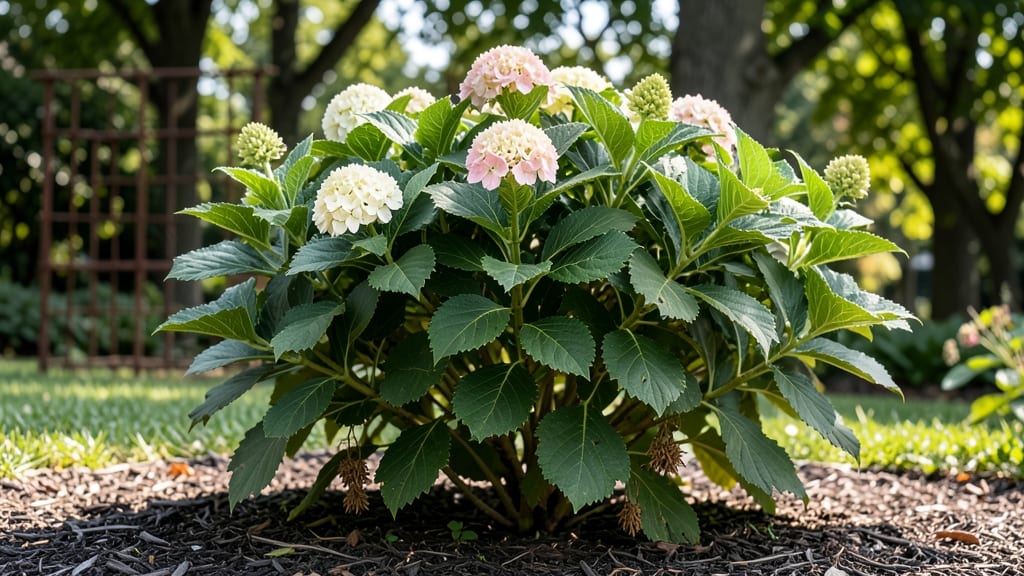
Growing a compact oakleaf hydrangea transforms shady corners into lush, low-maintenance showstops with bold foliage and reliable blooms—no full sun required. 🌿 I’ve watched mine thrive in spots where nothing else grows, its oak-shaped leaves turning fiery red in fall while the white summer flowers attract bees.
This isn’t just another hydrangea; it’s the plant that finally makes shade gardens feel vibrant. The secret to its success? Moist, well-draining soil and minimal pruning—no need for harsh cutting like bigleaf varieties.
It handles aphids better than most hydrangeas (though you’ll still spot a few), and its compact size (4–5 feet tall) fits tight spaces perfectly. Even my first-year plant produced dozens of blooms with almost no effort.
You’ll love how it stays healthy with almost no fuss—just occasional watering and an annual prune to shape it. The leaves alone are a conversation starter: velvety when young, turning papery and coppery in autumn. By winter, the exfoliating bark adds texture, so it’s beautiful year-round.
Perfect for small gardens, containers, or under trees where light is dappled. Here’s how to keep yours thriving without the common mistakes that kill other hydrangeas.
📚 In This Guide
- What you need
- Instructions
- Tips and common mistakes
- Wrapping up and next steps
What you need
- ● Compact oakleaf hydrangea plant (1-3 plants, depending on desired coverage): Choose Hydrangea quercifolia cultivars like 'Snow Queen' or 'Pee Wee' (dwarf varieties).
- ● Nursery-grown plants (3-4 gallons) are ideal for faster results.
- ● Well-draining potting mix or garden soil (5-10 gallons, depending on pot size): Mix with compost (20-30%) for fertility.
- ● For containers: Use a blend of peat moss, perlite, and pine bark (50/30/20 ratio).
- ● Organic mulch (2-3 inches): Shredded bark or pine needles to retain moisture and deter aphids.
- ● Slow-release fertilizer (e.g., 10-10-10 or balanced organic): Apply 1-2 tbsp per plant at planting and again in spring.
- ● Garden trowel or shovel (for planting).
- ● Pruning shears (sterilized with rubbing alcohol).
- ● Watering can or hose with gentle spray nozzle (aphids hate damp leaves!).
- ○ Gloves (optional, but helpful for handling mulch or thorny stems).
- ○ Container (optional): 5-gallon pot or larger (for patio gardens).
- ● Ensure drainage holes are present!
- ● Aphid control (preventative): Neem oil (1 tsp per gallon of water, spray weekly if needed).
- ● Ladybugs or lacewings (release 50-100 beneficial insects per plant).
- ● Copper tape (wrap around pot edges to deter slugs).
- ● Soil moisture meter (compact oakleaf hydrangeas love consistent moisture).
- ● Epsom salt (1 tbsp per gallon of water, monthly for magnesium boost).
- ● Shade cloth (30-50% coverage for young plants in hot climates).
Step-by-step guide to planting and caring for compact oakleaf hydrangea
This shade-loving shrub thrives with minimal fuss—just follow these steps for vibrant foliage and stunning blooms.
🌱 Step 1: Choose the Perfect Planting Site
Compact oakleaf hydrangeas (Hydrangea quercifolia 'Snow Queen') adore partial shade, ideally receiving 4-6 hours of morning sun and afternoon shade. Avoid deep shade—this variety needs at least 3 hours of light daily to support its striking foliage and blooms. Test your spot by observing how sunlight moves across the area; the ideal location stays moist but well-drained.
I always check soil moisture by digging a 6-inch hole—if water pools or drains slower than 30 minutes, amend the soil with 2-3 inches of organic compost to improve drainage. These shrubs tolerate clay but will reward you with better growth if the soil is loose and rich. A slightly acidic to neutral pH (6.0-7.0) works best, so test your soil if possible.
🪴 Step 2: Plant at the Right Depth and Spacing
Dig a hole twice as wide as the root ball but no deeper—planting too deep suffocates roots and causes stress. Gently remove the shrub from its container and loosen any circling roots with your fingers. Place it in the hole so the top of the root ball sits 1 inch below the soil line—this prevents stem rot while encouraging strong root growth.
Space your 4 plants 4-6 feet apart to allow airflow and future growth. Backfill with native soil mixed with 1 part compost, tamping lightly to eliminate air pockets. Water deeply to settle the soil and eliminate gaps. I always add a 2-inch layer of mulch (like pine bark) around the base, keeping it 3 inches away from the stem to prevent rot.
☀️ Step 3: Water and Fertilize for Strong Establishment
Water immediately after planting to encourage root spread, then keep the soil evenly moist for the first 2-3 weeks—this is critical for root establishment. Compact oakleaf hydrangeas hate soggy roots but won’t tolerate drought either. You’ll know you’re nailing it when the soil feels like a wrung-out sponge: damp but not waterlogged.
Fertilize lightly in early spring with a balanced, slow-release fertilizer (10-10-10) applied at ½ the recommended rate. These shrubs are low-maintenance but appreciate a boost in their first growing season. Avoid high-nitrogen fertilizers—they promote leafy growth at the expense of blooms. I also add a handful of bone meal at planting time for phosphorus, which supports root and flower development.
✂️ Step 4: Prune for Shape and Health
Prune in late winter or early spring before new growth begins, focusing on removing dead, crossing, or weak branches. Compact oakleaf hydrangeas bloom on old wood, so avoid heavy pruning—never cut back more than ⅓ of the plant’s height. I always look for branches that rub together or grow inward; these create wounds and compete for energy.
Shape the shrub by cutting just above a bud or leaf node, making clean cuts at a 45-degree angle. Leave some natural branches to create that signature oakleaf texture. After flowering, you can deadhead spent blooms to encourage a second flush of flowers in some climates. Just avoid pruning in fall or winter, as this removes next year’s blooms.
🌿 Step 5: Maintain for Long-Term Beauty
Mulch annually in early spring with 2-3 inches of organic mulch, replenishing as it breaks down. This conserves moisture, regulates soil temperature, and adds nutrients over time. Watch for aphids or spider mites—common pests on hydrangeas—but resist the urge to spray. A strong jet of water usually dislodges them, and compact oakleaf varieties are more aphid-resistant than other types.
By year 3, your shrubs should establish deep roots and thrive with minimal care. Monitor for leaf scorch (brown edges) in hot, dry summers—this signals underwatering. If you notice it, increase watering slightly and provide afternoon shade. With proper placement and care, these shrubs will reward you with vibrant foliage, fragrant blooms, and seasonal interest for decades.
Tips & tricks for perfect compact oakleaf hydrangea planting
A few key strategies that'll help your shade garden star thrive from day one.
Lighting Strategy: When assessing that 4-6 hours of morning sun, observe your garden at different times of year. Morning sun intensity varies by season—what feels like perfect light in spring might be too harsh in summer. If you notice leaf scorch (brown edges) during peak summer, provide some afternoon shade with nearby trees or a sheer fabric screen. The 3 hours minimum is non-negotiable for foliage development, but don't exceed 6 hours of direct sun or you'll stress the plant.
Soil Preparation Insight: That 6-inch hole test is your best friend for drainage assessment. If water drains slower than 30 minutes, you're dealing with heavy clay soil. Instead of just adding compost, I recommend mixing in 1 part perlite or coarse sand to the 2-3 inches of organic compost. This creates better pore space for roots while maintaining moisture retention. For clay-heavy areas, consider planting in raised beds where you control the soil composition entirely.
Planting Depth Visual: The 1-inch below soil line guideline might sound tricky at first. Here's how I check it: Hold the plant so the top of the root ball aligns with your wrist crease (about 1 inch from your palm). This creates a natural reference point that's easier than measuring. If your soil settles significantly after watering, you might want to plant slightly higher—just make sure the stem remains above soil level to prevent rot.
Mulch Placement Technique: That 2-inch layer of mulch (3 inches from stem) deserves special attention. I use a flat-edged tool to create a slight depression around the stem before adding mulch—this prevents water from pooling against the bark. For extra protection in winter, I add an additional 1-inch layer of straw mulch after the first frost. The mulch acts like a blanket, protecting roots from temperature swings that can stress young plants.
Pro Tips for Compact Oakleaf Hydrangea
- A few key strategies that'll help your shade garden star thrive from day one.
- Lighting Strategy: When assessing that 4-6 hours of morning sun, observe your garden at different times of year.
- Soil Preparation Insight: That 6-inch hole test is your best friend for drainage assessment.
Frequently asked questions
How fast does a compact oakleaf hydrangea grow?
A compact oakleaf hydrangea grows at a moderate pace, typically adding 12–18 inches per year under ideal conditions. With proper pruning (after blooming), you can manage its size effectively—perfect for small gardens or containers! Expect full maturity in 3–5 years.
When is the best time to prune it?
Prune your compact oakleaf hydrangea right after flowering (late summer to early fall) to encourage next year’s blooms. Avoid heavy pruning in spring, as it removes buds formed in the previous season. For shaping, use clean tools and remove dead or crossing branches gently.
Are compact oakleaf hydrangeas truly aphid-resistant?
While they’re more resistant than other hydrangeas, they’re not completely immune to aphids. If you spot pests, blast them off with water or use neem oil (a natural, pet-safe option). Healthy plants with good airflow deter infestations—so mulch well and avoid overcrowding!
Can I grow a compact oakleaf hydrangea in a pot?
These hydrangeas thrive in 15–20 gallon containers with well-draining soil. Choose a pot with drainage holes and repot every 2–3 years to refresh nutrients. Place it in partial shade (4–6 hours of sun) and water consistently—pots dry out faster than garden beds!
How cold-hardy are compact oakleaf hydrangeas?
Compact oakleaf hydrangeas are highly cold-resistant, tolerating zones 5–9. They handle winter well, but young plants may need mulch (2–3 inches) to protect roots. Their stunning fall foliage is a bonus—just avoid pruning until spring if your area gets harsh freezes.
Wrapping up and next steps
The compact oakleaf hydrangea is a dream for shade gardens—offering stunning foliage, resilience against aphids, and low-maintenance charm. Whether you’re a seasoned gardener or just starting, this versatile shrub brings year-round beauty with minimal fuss. 🌿✨
Ready to transform your garden? Start by selecting a spot with dappled shade, prep the soil, and plant your compact oakleaf hydrangea—then sit back and enjoy the show! For extra peace of mind, consider adding companion plants like heuchera or ferns to create a thriving, aphid-resistant understory.