
Flowers
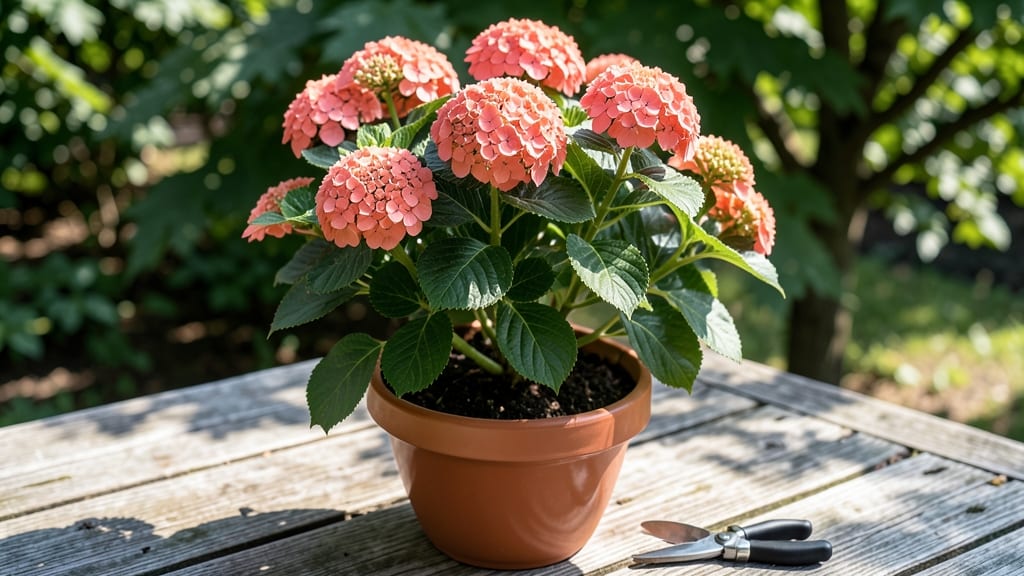
Coral-colored hydrangeas transform any garden into a sunset-inspired masterpiece. 🌸 Their velvety blooms catch the light like stained glass, creating a focal point that feels both bold and refined. These aren't just flowers—they're the statement piece that turns a good garden into a showstopper.
The secret to their stunning color lies in acidic soil and consistent moisture, but once you've got that right, the design possibilities are endless.
Pair them with deep purples like salvia or soft whites like gardenias to let their coral hue truly pop, or contrast them with silvery foliage like lamb's ear for texture that makes the blooms sing.
In containers, they bring warmth to patios, while in borders, they create a cascading waterfall of color.
Imagine your garden in late summer when these blooms are at their peak—sunlight filtering through petals that shift from peach to coral as the day goes on. The effect is magical, especially when planted near seating areas where you can enjoy their beauty up close.
They're perfect for cottage gardens, modern landscapes, or even urban courtyards where a splash of color is needed.
For maximum impact, place them where they'll receive morning sun and afternoon shade, and consider repeating them in odd-numbered groupings for a natural, organic feel. The key is to let them take center stage while surrounding them with plants that enhance rather than compete with their vibrant presence.
Your garden will thank you with months of eye-catching color.
📚 In This Guide
- What you need
- Instructions
- Tips and common mistakes
- Wrapping up and next steps
What you need
- ● Coral-colored hydrangea plants: Choose Hydrangea macrophylla (like 'Endless Summer' or 'Blushing Bride') or Hydrangea paniculata (like 'Limelight' or 'Little Lime'). Buy 2-3 plants for a fuller display.
- ● Acidic potting mix: 5 gallons of a peat-based or pine bark mix (pH 5.0–6.0). Avoid regular garden soil—it’s too alkaline!
- ● Container or garden bed: For containers: 1-2 large pots (15–20 gallons each) with drainage holes.
- ● For in-ground: A sunny to partially shaded spot with well-draining soil.
- ● Slow-release fertilizer: 1 lb of acid-loving plant fertilizer (e.g., Miracle-Gro Azalea/Camellia/Orchid).
- ● Aluminum sulfate: ½ cup (for deepening coral hues).
- ● Mulch: 2–3 inches of pine bark or pine needles to retain acidity.
- ● Garden gloves (to protect your hands from thorns and soil).
- ● Trowel or shovel (for planting and soil prep).
- ● Watering can or hose with a gentle spray nozzle.
- ○ pH test kit (optional but helpful—aim for 5.0–5.5 for coral blooms!).
- ● Pruning shears (for shaping and deadheading).
- ● 🌡️ Water wisely: Keep soil consistently moist (not soggy) to prevent stress.
- ● ✨ Boost color: Add 1 tbsp of aluminum sulfate per gallon of water monthly during blooming season.
- ● 🎯 Sunlight: Morning sun + afternoon shade is ideal for most coral hydrangeas.
Step-by-step instructions for growing coral hydrangeas with stunning color
Here's how to coax those gorgeous coral blooms from your hydrangeas—it's all about soil, light, and a little patience.
🌱 Step 1: Choose the Right Coral Hydrangea Variety
Not all hydrangeas produce coral blooms—you'll want mophead or lacecap types like 'Endless Summer Coral Reve' or 'Limelight' (which can turn coral in acidic soil). These varieties respond best to soil pH adjustments. I always check the plant tag or research the cultivar before buying, because some hydrangeas naturally lean pink or blue regardless of soil conditions.
Look for healthy nursery plants with firm stems and multiple buds along the branches. Avoid leggy specimens—they've been stressed and won't bounce back quickly. If you're planting in late spring, choose smaller pots for easier transplanting, since larger plants take longer to adjust to their new acidic environment.
☀️ Step 2: Select the Perfect Sunny Spot with Morning Light
Coral hydrangeas thrive in partial shade with morning sun—think 3-6 hours of direct sunlight daily, but with afternoon shade protection. Too much hot afternoon sun fades the coral color and stresses the plant. I plant mine against a north-facing wall or under the dappled shade of mature trees where they get gentle morning rays but escape the afternoon heat.
Test your spot by observing how much light it receives throughout the day. If leaves scorch by midday, move the plant to a shadier location. Coral hydrangeas won't bloom as vibrantly in deep shade, but they'll survive—just expect softer, less saturated colors. The ideal location balances color intensity with plant health.
💧 Step 3: Prepare Acidic, Well-Draining Soil
This is where the magic happens—hydrangea color changes dramatically with soil pH. Test your soil first (a simple $10 home kit works). Aim for pH 5.0-5.5 for true coral blooms. If your soil is alkaline, amend it with sulfur or peat moss (follow package instructions for application rates). I mix in 2-3 inches of compost for nutrients and 1 cup of aluminum sulfate per plant to lower pH gradually.
Work the amendments into the top 12 inches of soil where roots will grow. Avoid compacting the soil—hydrangeas hate soggy roots. If your garden soil drains poorly, add coarse sand or perlite to improve aeration. The goal is a fluffy, acidic mix that holds moisture but doesn't suffocate roots. Water the amended area thoroughly before planting.
🪴 Step 4: Plant at the Right Depth and Water Deeply
Dig a hole twice as wide as the root ball but no deeper—hydrangeas hate having their crowns buried. Position the plant so the top of the root ball sits 1 inch above soil level. This prevents rot and encourages strong root growth. Gently remove the plant from its container and loosen any circling roots with your fingers.
Backfill with the amended soil, pressing lightly to eliminate air pockets. Water immediately with 1 gallon of water per plant to settle the soil. After planting, add 2-3 inches of mulch (pine bark or cedar chips work best) to retain moisture and maintain acidity. Keep the mulch 6 inches away from the stem to prevent rot. Water deeply again in 7-10 days to encourage root establishment.
✂️ Step 5: Maintain Soil pH and Prune for Maximum Blooms
Test soil pH annually in early spring—color fades if pH drifts above 5.5. Reapply aluminum sulfate if needed, following package rates. I also fertilize in early spring with an acid-loving plant formula (look for one with high sulfur content) to support vibrant blooms. Water regularly to keep soil evenly moist—hydrangeas wilt quickly when thirsty but hate soggy conditions.
Prune in late winter or early spring before new growth appears. Cut back 1/3 of the oldest stems to the first set of buds and shape the plant by removing any dead or crossing branches. Never prune in fall—you'll cut off next year's blooms. Watch for leaf curl or yellowing, which signals either overwatering or pH imbalance. Adjust care accordingly for those coral-hued blooms you're after.
Tips & tricks for perfect coral hydrangea blooms
Want those stunning coral blooms that make your garden the envy of the neighborhood? These practical tips will help you avoid common pitfalls and maximize your hydrangea's potential.
Selection Tip: When choosing your coral hydrangea varieties like 'Endless Summer Coral Reve' or 'Limelight', look for plants with at least three strong buds along each stem. These buds are where next year's blooms will form, so more buds mean more flowers. I've found that nursery plants with multiple buds establish faster and produce more vibrant coral blooms in their first season. Avoid plants with yellowing leaves or brown stems—they're already stressed and won't bounce back quickly.
Light Observation: The 3-6 hours of morning sunlight is crucial for coral color development, but timing matters just as much as duration. I recommend testing your spot by observing how the light moves across your garden throughout the day. Place a white piece of paper in potential locations at different times—if it gets hot to the touch by midday, that's too much afternoon sun. The perfect spot gets gentle morning warmth but escapes the harsh afternoon rays that can bleach those gorgeous coral hues.
Soil pH Strategy: That pH 5.0-5.5 range isn't just a number—it's the difference between subtle pink and vibrant coral. I've learned the hard way that testing your soil is worth every penny of that $10 kit. If your soil tests higher than 5.5, don't just sprinkle aluminum sulfate and hope for the best. Mix the 1 cup per plant into the top 12 inches of soil and water thoroughly. Then wait 6-8 weeks before planting—this gives the pH adjustment time to work properly through the soil profile. Re-test before planting to confirm you've hit that magic range.
Planting Depth: The 1 inch above soil level rule for the root ball is non-negotiable, but here's what nobody tells you: Make sure the mulch line stays 6 inches away from the stem to prevent rot. I've seen too many hydrangeas suffer from mulch piled against the trunk. After planting, create a slight depression around the base to help water pool there during irrigation. This targeted watering encourages deeper root growth into that acidic soil we've prepared.
Pro Tips for Coral Colored Hydrangeas
- Want those stunning coral blooms that make your garden the envy of the neighborhood?
- Selection Tip: When choosing your coral hydrangea varieties like 'Endless Summer Coral Reve' or 'Limelight', look for plants with at least three strong buds along each stem.
- Light Observation: The 3-6 hours of morning sunlight is crucial for coral color development, but timing matters just as much as duration.
Frequently asked questions
Got questions about growing coral-colored hydrangeas? You’re not alone! Here are answers to the most common queries—from soil secrets to blooming tips.
How do I get my hydrangeas to turn coral?
Coral hues appear when hydrangeas grow in highly acidic soil (pH 5.0–5.5). Test your soil with a kit, then amend with sulfur or aluminum sulfate (follow package instructions). Avoid lime—it raises pH and turns blooms blue! Pro tip: Feed with an acid-loving plant fertilizer in spring for extra vibrancy.
When is the best time to plant coral hydrangeas?
Plant in early spring or fall when soil is workable but not frozen. Avoid summer heat, which stresses roots. If transplanting mature plants, water deeply before and after planting to reduce shock. Bonus: Mulch with pine needles or oak leaves to maintain acidity naturally!
Can I change my hydrangea’s color after planting?
Yes! For mophead or bigleaf varieties, adjust soil pH gradually (changes take 2–3 months). For panicle hydrangeas (like ‘Limelight’), color shifts depend on light and maturity—not soil pH. Warning: Sudden pH swings can stress plants, so monitor with a meter.
Why are my coral hydrangeas turning brown or crispy?
Brown edges often signal underwatering, overwatering, or heat stress. Check soil moisture (top 1–2 inches should be dry). If leaves curl, move plants to partial shade (morning sun is ideal). Fix it: Water at the base, not overhead, and prune dead stems in late winter.
What are good alternatives to coral hydrangeas?
Love the look but need low-maintenance options? Try:
- ‘Endless Summer’ hydrangeas (re-bloom, adaptable pH)
- Cranberry viburnum (red berries, thrives in acid soil)
- Azaleas (coral-pink blooms, acid-loving)
- Hellebores (shade-tolerant, early spring color)
All pair beautifully with coral hydrangeas for a garden ombré effect!
Wrapping up and next steps
Transforming your garden into a coral-colored hydrangea paradise isn’t just about patience—it’s about the joy of watching your hard work bloom! 🌸 With the right acidic soil, consistent care, and a dash of creativity, you’ll soon be rewarded with clusters of vibrant, velvety blooms that steal the show.
Whether you’re a seasoned gardener or a beginner, every step you take brings you closer to that stunning, dreamy display.
Ready to dive in? Start by testing your soil’s pH today—your future hydrangeas will thank you! Grab your gloves, pick a sunny spot, and let the magic unfold. Happy gardening! 🌱