
Pruning
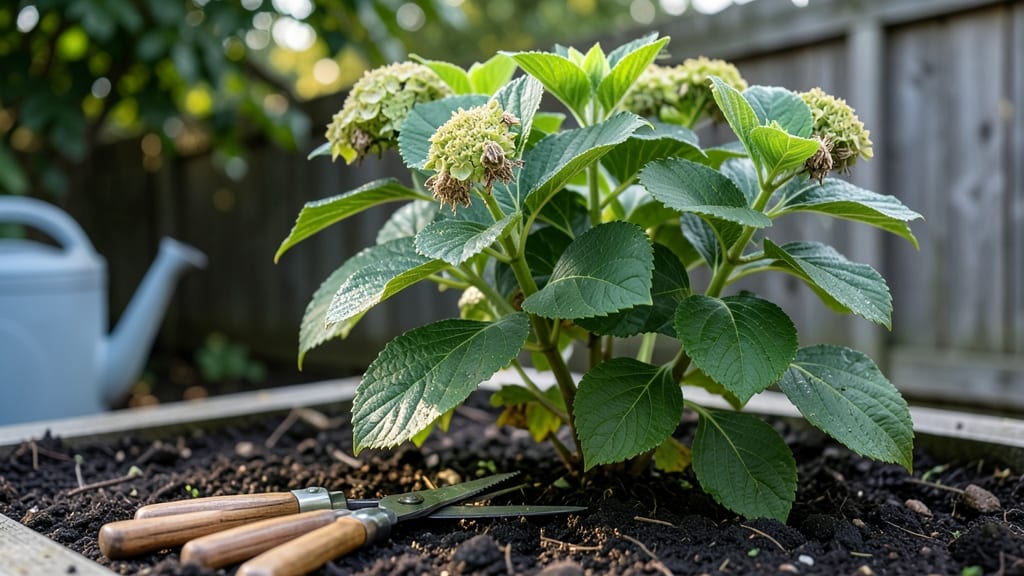
Deadheading hydrangeas in spring isn’t just about tidying up—it’s how you guarantee next year’s blooms. ✂️ I’ve learned the hard way that skipping this step means fewer flowers and more leggy stems, but the right cuts transform your bushes into lush, productive powerhouses by summer.
The best time to deadhead is right after the last frost when new growth starts pushing through. Grab your pruners and snip just above the first set of healthy leaves or buds—this is where next year’s blooms will form.
Avoid cutting into old wood, and never remove more than a third of the plant at once.
What you’ll get is a bush that looks fuller now and explodes with blooms next season. The plant focuses energy on new growth instead of supporting dead flowers, and you avoid the shock of aggressive pruning. Think of it as giving your hydrangeas a fresh start.
Works for all hydrangea types, but mopheads and lacecaps respond best to this method. Just remember: patience pays off—your bushes will thank you with vibrant blooms by next spring.
📚 In This Guide
- What you need
- Instructions
- Tips and common mistakes
- Wrapping up and next steps
What you need
- ● Pruning shears: Sharp, bypass-type shears (4–6 inches) for clean cuts. Sterilize with rubbing alcohol before and after use to prevent disease spread.
- ● Hand pruners: For smaller stems or tight spaces (3–4 inches). Look for ergonomic grips for comfort.
- ○ Gloves: Heavy-duty gardening gloves (nitrile-coated for grip and protection). Optional: Rose-pruning gloves if thorns are a concern.
- ● Disposable pruning bags or bucket: A 5-gallon bucket or mesh bag to collect clippings (prevents pests and keeps your workspace tidy).
- ● Rubbing alcohol (70% isopropyl) or bleach solution: 1 part bleach to 9 parts water for sterilizing tools.
- ● Loppers: For thicker stems (up to 1.5 inches). Only needed if your hydrangeas are large or overgrown.
- ● Knee pads: For comfort during long sessions (especially for ground-level hydrangeas).
- ● Markers or flags: Small plant tags or colored flags to mark new growth or pruning points.
- ● Hydrangea fertilizer: Slow-release granular or liquid fertilizer (e.g., Miracle-Gro Shake ‘n Feed) to replenish nutrients post-pruning.
- ● Mulch: Shredded bark or compost to protect roots and retain moisture after pruning.
How to deadhead hydrangeas for next season’s best blooms
Here’s the method I’ve used for years to keep my hydrangeas thriving—no guesswork, just clear steps.
✂️ Step 1: Identify Your Hydrangea Type First
This is the moment that matters: bigleaf hydrangeas (like Endless Summer) bloom on old wood, while panicle and oakleaf types bloom on new wood. Cutting back the wrong ones in spring kills next year’s flowers. I always check the flower heads—if they’re still green in spring, they’re new growth and safe to trim.
For bigleaf hydrangeas, wait until after blooming to prune. For panicle types, you can trim back 1/3 of the plant height in spring. I mark my calendar with the type—no more mistakes after that.
🌿 Step 2: Use Clean, Sharp Pruners and Find the Right Spot
Grab your clean, sharp pruners (I sterilize mine with rubbing alcohol) and look for the first set of healthy leaves below the dead flower head. This is where you’ll make your cut—never leave stubs. I like to make a slight angle just above the leaf node to help water run off.
If you’re dealing with a large cluster, cut back to an outward-facing bud for better airflow and shape. Avoid cutting into the center of the plant—this creates a dense, shaded mess. You’ll see the difference in just a few weeks with fuller growth.
☀️ Step 3: Prune for Shape and Airflow
Step back and look at the plant as a whole. Remove any crossing branches or ones growing inward—they’ll compete for sunlight and nutrients. I aim for an open, vase-like shape that lets light reach the center. For bigleaf hydrangeas, I only remove last year’s blooms (they’re brown and dried out).
Don’t overdo it—you’re not trying to turn your hydrangea into a topiary. Just open up the plant and remove dead growth. You’ll notice new shoots emerging within 2-3 weeks if you’ve pruned correctly.
💧 Step 4: Water and Fertilize After Pruning
Give your hydrangeas a deep watering right after pruning to help them recover. I water until the soil is 6 inches deep—you’ll know it’s enough when water runs out the drainage holes. Add a balanced fertilizer (like 10-10-10) to encourage new growth, but don’t overdo it.
For bigleaf hydrangeas, you can also adjust the pH of your soil now to change flower colors (blue needs acidic soil, pink thrives in neutral). I test my soil every spring—it’s the secret to those perfect blue blooms.
⏰ Step 5: Monitor for New Growth and Repeat as Needed
Watch for new leaves emerging from the buds you left behind. If you see leggy growth, your plant needs more light. I usually prune again in early summer to shape up any wild shoots—just a light trim to keep things tidy.
Real talk: If you missed a branch or two, don’t stress. Hydrangeas are forgiving. Just focus on keeping the center open and watering consistently. You’ll have full, vibrant blooms next season—I promise.
Tips & tricks for perfect spring hydrangea pruning
Here’s what I’ve learned after years of trial and error—these tricks make all the difference for happy hydrangeas.
Type Matters More Than You Think: I can’t stress this enough—bigleaf hydrangeas (like Endless Summer) bloom on last year’s wood, so prune them after blooming (never in spring!). For panicle types, you can cut back 1/3 of the plant height in spring without fear. I mark my calendar with colored stickers: red for bigleaf, green for panicle. This one mistake ruined my first three bushes!
The Right Cut Makes All the Difference: In Step 2, when you’re making your cuts, look for the first set of healthy leaves below the dead bloom—this is your target. I make a slight angle just above the leaf node to help water run off and prevent rot. Pro tip: If you’re dealing with large clusters, cut back to an outward-facing bud to encourage fuller growth. This simple adjustment transformed my bushes from scraggly to lush.
Don’t Forget the Aftercare: After pruning, give your hydrangeas a deep watering until water runs out the drainage holes—this helps them recover faster. For bigleaf varieties, I test my soil pH now to adjust for blue or pink blooms. A pH of 5.5 or lower gives those stunning blues, while neutral soil brings out pinks. I keep a soil test kit handy—it’s the secret to those showstopping colors.
Timing is Everything: You’ll notice new shoots emerging within 2-3 weeks if you’ve pruned correctly. If you see leggy growth, your plant needs more light. I usually do a light shaping trim in early summer to keep things tidy. And if you missed a branch? No stress—hydrangeas are forgiving. Just focus on keeping the center open and watering consistently for next season’s blooms.
Pro Tips for Deadheading Hydrangeas In Spring
- Here’s what I’ve learned after years of trial and error—these tricks make all the difference for happy hydrangeas.
- Type Matters More Than You Think: I can’t stress this enough—bigleaf hydrangeas (like Endless Summer) bloom on last year’s wood, so prune them after blooming (never in spring!).
- The Right Cut Makes All the Difference: In Step 2, when you’re making your cuts, look for the first set of healthy leaves below the dead bloom—this is your target.
Frequently asked questions
When is the exact best time to deadhead hydrangeas in spring?
Deadhead after your hydrangeas bloom in spring (late May–June for most varieties). For bigleaf and oakleaf hydrangeas, wait until all flowers fade—this ensures you don’t accidentally prune next year’s buds hidden in last year’s stems. Panicle and smooth hydrangeas can be pruned right after flowering since they bloom on new growth.
Do I need special tools to deadhead hydrangeas?
Not at all! Clean, sharp bypass pruners or even hand pruners work great for small stems. For larger branches, loppers or a pruning saw (for stubborn wood) will do the trick. No need to invest in fancy tools—just keep them sanitized with rubbing alcohol to avoid disease.
What if I accidentally cut off next year’s flower buds?
Don’t panic! Bigleaf and oakleaf hydrangeas store buds on old wood, so prune only dead or diseased stems. If you snip a bud by mistake, the plant will still produce flowers—just fewer. For panicle hydrangeas, this isn’t an issue since they bloom on new growth. Pro tip: Take a quick photo of your hydrangea’s shape before pruning to avoid guesswork!
Can I skip deadheading and still get blooms?
Yes, but expect less vibrant, smaller flowers and potential overcrowding that weakens the plant. Deadheading removes spent blooms, redirecting energy to new growth and encouraging larger, healthier flowers next season. Think of it like tidying up after a party—your hydrangeas will thank you with a showstopping display!
What do I do if my hydrangeas get pests after deadheading?
Pests like aphids or spider mites love fresh pruning wounds. Act fast: Spray with a soapy water mix (1 tsp mild dish soap + 1 quart water) or use neem oil for organic control. Prune in dry weather to reduce stress on the plant, and remove fallen debris to deter pests. A light layer of mulch also helps keep critters away!
Wrapping up and next steps
Deadheading hydrangeas in spring isn’t just about tidying up—it’s your secret weapon for bigger, healthier blooms next season! 🌸 By removing spent flowers and pruning strategically, you’re giving your plants the energy they need to thrive.
Remember, timing and technique matter, but with the right approach, your hydrangeas will reward you with stunning seasonal displays.
Now that you’re armed with the know-how, grab those pruners and get to work! Start with one section at a time to avoid overwhelming your plants, and soon, your garden will be the envy of the neighborhood. Happy pruning—your future blooms will thank you! 🌿✨