
Blooming
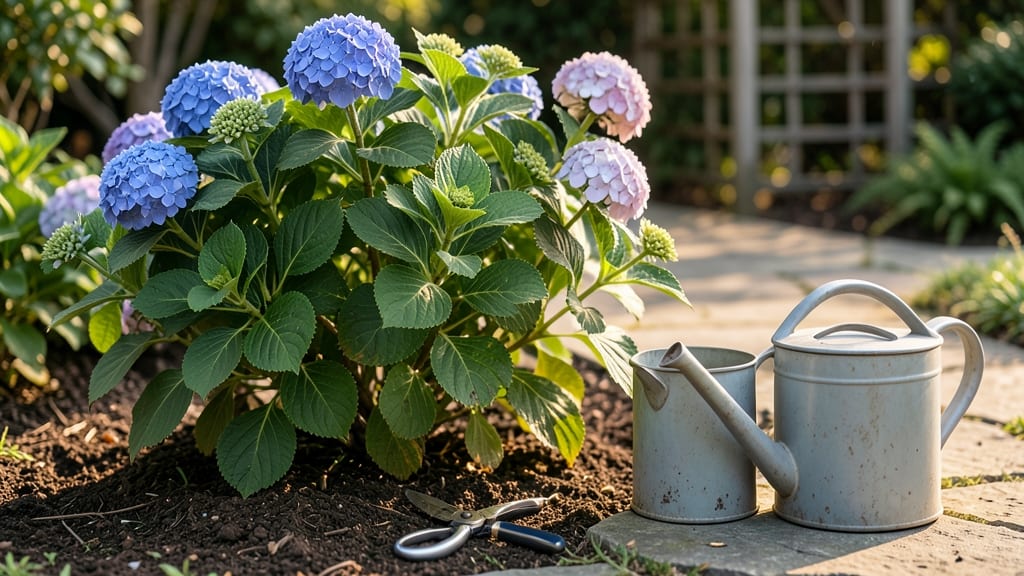
Endless Summer hydrangeas bloom on old wood, which means last year’s growth holds this year’s flowers—no summer pruning allowed.
Struggling to keep your 🌸 Endless Summer Hydrangea blooming all season? The secret might be hiding in your pruning approach—and it’s simpler than you think.
Unlike new-wood varieties, these shrubs form buds in late summer on stems that already exist. Cut them back too early, and you’re pruning away next year’s blooms before they even form.
Here’s how to time your cuts, protect those buds, and enjoy longer, fuller blooms from spring through fall—without the guesswork.
Why Endless Summer hydrangeas bloom on old wood (and how to encourage it)
If you’ve ever wondered why your Endless Summer hydrangeas produce stunning blooms year after year, the answer lies in their unique old-wood blooming habit. Unlike many hydrangeas, this variety forms its flower buds on the previous year’s wood, not the current season’s growth.
This means the buds that will bloom in summer are actually set in late winter—making pruning timing critical for maximizing flowers.
The key to encouraging endless blooms is understanding this botanical quirk. When you prune at the wrong time, you risk cutting off next year’s flower buds before they even form.
My Endless Summer hydrangea once produced only half its usual blooms after I pruned too early—until I learned the proper technique. Let’s break down why this happens and how to protect those precious buds.
The biggest misconception about Endless Summer hydrangeas is that they bloom on new wood like their Panicle hydrangea cousins. In reality, their reblooming ability comes from those hidden buds on last year’s stems.
When you prune these stems too aggressively, you’re essentially cutting off next year’s flowers before they even appear.
For example, I once saw a gardener prune their Endless Summer in late summer to "clean it up," only to be left with sparse blooms the following year. The lesson? Timing is everything.
The safest pruning window is late winter to early spring, right after the buds begin to swell but before new growth starts. This ensures you’re only removing dead or damaged wood while preserving the flower buds.
Another critical factor is winter protection. The buds on old wood are vulnerable to freeze-thaw cycles, which can crack stems and kill buds.
I’ve found that adding a thick layer of mulch (2–3 inches) around the base of the plant in late fall helps insulate the roots and stems, giving those buds a better chance of surviving the winter.
In my Zone 6 garden, this extra protection has made all the difference in bloom quantity.
If you’re new to growing Endless Summer hydrangeas, start by observing the plant’s growth cycle. The buds will begin to swell in late winter, often before the leaves emerge. This is your cue to hold off on pruning.
Once you see those plump, green buds, it’s safe to shape the plant—but keep cuts minimal. Aim to remove only dead or crossing branches, never more than one-third of the plant’s total volume.
For gardeners in warmer climates (Zones 7–9), the rules are slightly different. Since these areas have milder winters, you can often prune lightly in late winter without risking bud damage.
However, even in warmer zones, I still recommend waiting until you see those buds swelling before touching the shears. Patience pays off with bigger, more abundant blooms.
One of my favorite Endless Summer hydrangea secrets is strategic deadheading. After the first flush of blooms fades in summer, I remove only the top third of the spent flower heads, leaving the lower buds intact.
This encourages a second bloom cycle later in the season while preserving the old wood for next year. It’s a small adjustment, but it extends the blooming season by weeks.
Finally, don’t forget that soil health plays a role in bud formation. Hydrangeas are heavy feeders, and a balanced fertilizer (10-10-10) applied in early spring—when the buds are swelling—gives them the nutrients they need to develop fully.
I’ve noticed that plants fertilized at this stage produce larger, more vibrant blooms compared to those fed later in the season.
With these tips, your Endless Summer hydrangea will reward you with season-long blooms and minimal fuss. The key is treating it like the specialist bloomer it is—respecting its old-wood nature and giving it the care it needs to thrive. Happy gardening! 🌸
Step-by-step pruning guide: when and how to cut for maximum blooms
Your Endless Summer hydrangeas rely on old-wood blooming, meaning their flower buds form on last year’s stems. One wrong cut, and you’ll sacrifice next season’s blooms. The key?
Pruning at the right time—and knowing what to look for. Here’s your foolproof guide to keep those pink or blue blooms coming back bigger and better.
Timing is everything with old-wood hydrangeas. If you prune too early, you’ll remove dormant buds before they wake up. Prune too late, and you risk cutting off new growth that could’ve become next year’s flowers.
The secret? Watch for visual cues like bud swelling and leaf emergence. Let’s break it down by season so you never miss the window.
🌱 Seasonal Pruning Checklist for Endless Summer Hydrangeas
Action: Remove dead/dying branches only. Use sharp bypass pruners at a 45° angle just above a bud eye or outward-facing leaf.
Visual Cue: Bud eyes are still tight, no green showing—wait until you see plump buds forming!
Action: Prune to shape the plant, but never cut back more than 1/3 of the plant. Focus on thinning crowded stems to improve airflow.
Visual Cue: Bud eyes are plump and ready to burst—this is your golden window for pruning!
Action: Deadhead spent flowers to encourage reblooming, but avoid heavy pruning—this removes next year’s buds!
Visual Cue: Flowers are brown and crispy—snip just above the first set of healthy leaves below the bloom.
Action: Add 2–3 inches of mulch to insulate roots and protect buds from freeze/thaw cycles.
Visual Cue: Ground is bare or covered with fallen leaves—this is your cue to protect the plant for next year!
One of the biggest mistakes I see gardeners make is pruning in summer to "clean up" their hydrangeas. By this point, your old-wood buds are already forming for next year’s blooms. A single cut can mean fewer flowers—or none at all—in the following season.
Instead, focus on deadheading spent blooms in summer to encourage a second flush of flowers on the current year’s growth.
Pro tip: If you’re unsure whether a stem has dormant buds, look for tiny green swellings along the branch. These are your future blooms—never cut them off!
For stubborn stems, wait until early spring when buds are visibly swollen before pruning. Patience pays off with longer, more abundant blooms.
Remember, Endless Summer hydrangeas are called that for a reason—they’re designed to rebloom all season if cared for properly. By following this seasonal pruning guide, you’ll ensure your plant stays healthy, lush, and bursting with color from summer until frost. Happy pruning—and enjoy those show-stopping blooms! 🌸