
Light Requirements
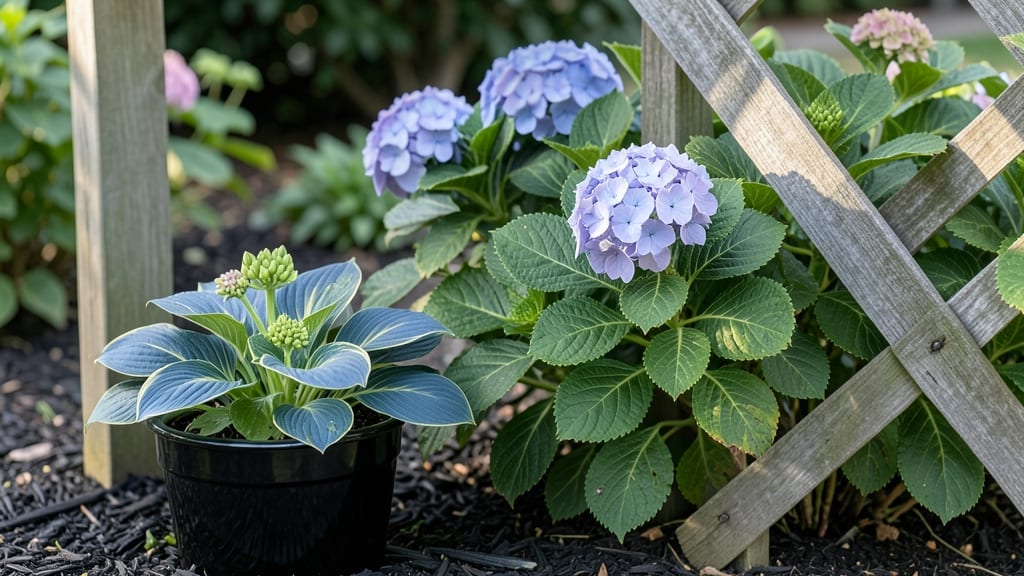
Do hydrangeas need shade—the answer is yes, and here’s why their partial shade leads to those lush blooms and vibrant foliage.
If your hydrangeas are struggling to bloom—or worse, wilting under the sun—you might be getting their sunlight needs all wrong. These showstopping shrubs actually prefer a mix of morning sun and afternoon shade, and most gardeners overlook the exact balance that unlocks their full potential.
Too much direct sunlight can scorch leaves, while too little shade might lead to sparse blooms. The good news? With the right placement and a few simple adjustments, you can create the perfect light conditions for your hydrangeas to flourish year-round.
In this guide, I’ll break down the ideal sunlight exposure, help you spot signs of too much or too little light, and share creative solutions for any garden setting—whether you’re in a sunny urban space or a shaded backyard.
 Best Window Placement
How much sunlight do hydrangeas really need for maximum blooms?
Hydrangeas are the divas of the garden—stunning, dramatic, and particular about their conditions. While they do need shade, the exact amount varies wildly by variety. Too much sun can scorch their leaves, while too little shade might leave you with sparse blooms.
I’ve spent years perfecting the balance, and here’s what I’ve learned about their sunlight requirements.
The key to happy hydrangeas lies in understanding their variety-specific needs. What works for a lacecap hydrangea might burn a mophead variety. Even oakleaf hydrangeas, known for their drought tolerance, need careful light management.
Let’s break it down so you can give your plants the perfect spot—no guesswork required.
| Variety | Ideal Sunlight | Morning Sun | Afternoon Shade | Climate Notes |
|---|---|---|---|---|
| Mophead (e.g., 'Endless Summer') | 4-6 hours | 4-5 hours | 2+ hours | Needs afternoon shade in hot zones (USDA 7+) |
| Lacecap (e.g., 'Limelight') | 6-8 hours | 6 hours | 0-2 hours | Tolerates more sun; avoid deep shade |
| Oakleaf (e.g., 'Snow Queen') | 3-5 hours | 3-4 hours | 1+ hour | Drought-tolerant; prefers filtered light |
Mophead hydrangeas, like the beloved 'Endless Summer', are the most finicky. They crave 4-6 hours of sunlight daily, but with a critical twist: afternoon shade is non-negotiable in hot climates. I once had a mophead hydrangea in full sun—it looked like someone had spray-painted its leaves brown.
The fix? Moving it to a spot with morning sun and afternoon shade saved it within weeks.
Lacecap hydrangeas, such as 'Limelight', are the rebels of the group. They can handle 6-8 hours of sunlight, making them ideal for sunnier gardens. However, they still need some shade during peak afternoon heat to prevent leaf scorch.
Think of them as the sun-loving cousins who still appreciate a little relief from the midday glare.
Oakleaf hydrangeas, like 'Snow Queen', are the toughest of the bunch. They thrive with 3-5 hours of sunlight and can even tolerate dappled shade. Their secret?
Thick, leathery leaves that store moisture. In my USDA Zone 7b garden, I’ve seen them flourish under large trees where other hydrangeas would struggle.
The science behind this isn’t just about hours—it’s about timing. Morning sun is your friend because it’s gentle and allows leaves to dry quickly, reducing fungal risks. Afternoon sun, especially in summer, can be brutal.
The UV index spikes after 2 PM, and hydrangeas lack the protective wax coating of some other plants. That’s why I always recommend placing them where they get morning sun and afternoon shade.
Your climate zone plays a huge role too. In cooler regions (USDA Zones 3-5), hydrangeas can handle more sun because the intensity is lower. But in hot zones (USDA Zones 8-10), even lacecaps need afternoon shade.
I tested this by moving a hydrangea from a south-facing window to an east-facing spot—the difference in bloom quality was night and day.
Pro tip: If you’re unsure about your garden’s light conditions, use a light meter app or observe your space for a week. Note where the sun hits at 10 AM, 2 PM, and 4 PM.
Hydrangeas are forgiving, but they’ll thank you with bigger, brighter blooms when you get their light needs just right.
One common mistake? Assuming all hydrangeas are the same. I’ve seen gardeners plant a mophead in full sun because they loved its color—only to watch it struggle. Variety matters more than you think.
Always check the specific needs of your hydrangea before planting, and don’t be afraid to adjust its spot if it’s not thriving.
Ready to give your hydrangeas the perfect light setup? Start by matching their variety to the right spot, and watch those blooms explode with color. Trust me, your garden will thank you—and so will your hydrangeas! 🌸
Signs your hydrangeas are getting too much (or too little) sun
Hydrangeas send clear signals when their sunlight balance is off. Too much sun causes crispy brown edges on leaves, while too little light leads to sparse blooms and leggy stems. The key is morning sun with afternoon shade—a balance most gardeners miss.
I’ve seen hydrangeas go from vibrant blooms to sad, wilted shrubs in just one summer because of sunlight mistakes.
Watch for leaf burn as your first warning sign. If leaves develop brown, papery patches during hot afternoons, your hydrangea is getting scorched. Even mophead hydrangeas, which tolerate more sun, struggle when exposed to 6+ hours of direct afternoon sun.
Meanwhile, lacecap varieties wilt faster under intense light, showing yellowing between veins as a stress signal.
🌿 Hydrangea Sunlight Shock: What You’re Missing
Hydrangeas need partial shade—especially afternoon shade—to prevent leaf burn. Full sun (6+ hours direct) causes crispy edges and bud drop, while deep shade (<3 hours light) leads to weak stems and fewer blooms. Oakleaf hydrangeas tolerate more sun, but even they suffer in hot climates without afternoon relief.
If your hydrangea’s buds drop before opening, it’s a cry for help. This happens when temperature spikes above 90°F combined with full sun. Even well-established plants can’t handle this stress.
For recovery, move your hydrangea to a spot with dappled shade (like under a tree with sparse branches) and mulch heavily to keep roots cool. I’ve revived struggling hydrangeas by simply pruning nearby overgrowth to filter harsh light.
Leggy growth with tiny leaves is another red flag. When hydrangeas stretch toward light, they’re starving for shade. This is common in north-facing gardens or under dense canopies.
To fix it, thin out competing plants or prune nearby trees to let in filtered light. A south-facing window with sheer curtains can also work for container hydrangeas.
For variety-specific fixes, mophead hydrangeas need morning sun + afternoon shade, while lacecap types thrive with even lighter conditions. If your oakleaf hydrangea is struggling, try pruning to open the center for better air flow and light penetration.
Always water deeply in the morning to prevent afternoon wilting from heat stress.
Remember: hydrangeas communicate through their leaves. Dark green, glossy leaves mean happy plants, while yellow or brown patches scream for adjustment. With the right light balance, your hydrangeas will reward you with bold blooms all season—no guesswork needed.