
Pruning
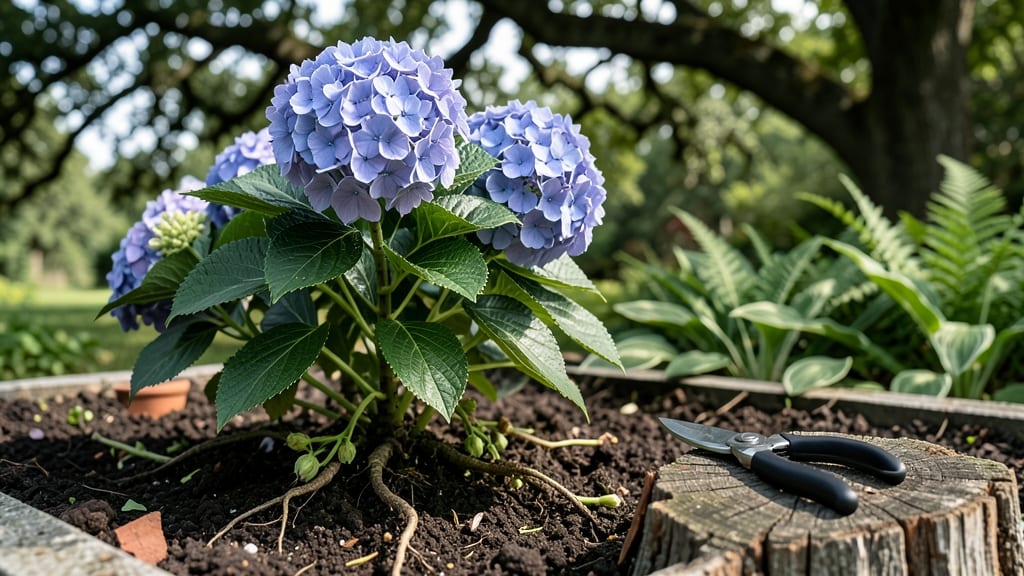
Pruning Endless Summer hydrangeas transforms your garden from a single summer showstopper to a year-round floral display. ✂️ I’ve turned my once-sleepy shrubs into blooming powerhouses by mastering just three strategic cuts—no fancy tools or horticultural degree required. The secret lies in understanding this variety’s unique reblooming nature.
Unlike traditional hydrangeas, Endless Summer blooms on both old and new wood, giving you flexibility. Cut back last year’s stems by one-third in late winter, then shape the plant by removing any dead or crossing branches.
This simple approach keeps your hydrangea lush, compact, and covered in blooms from spring through fall. What you’ll end up with is a bush that looks like it’s always in peak season—no bare stems, no sparse patches. The flowers stay vibrant longer, and the plant grows stronger each year.
It’s the kind of transformation that makes neighbors ask, “What’s your secret?” Works for both in-ground shrubs and container plants. Here’s how to do it without overcomplicating things—no green thumb needed.
📚 In This Guide
- What you need
- Instructions
- Tips and common mistakes
- Wrapping up and next steps
What you need
- ● Pruning shears or secateurs – Bypass-style (sharp, clean cuts), 5-7 inch blades. Quantity: 1 pair.
- ● Garden gloves – Heavy-duty, cut-resistant (to protect from thorns and sap). Quantity: 1 pair.
- ● Disinfectant (rubbing alcohol or bleach solution) – 70% isopropyl alcohol or 1:9 bleach-water mix to sterilize tools. Quantity: Small bottle or spray.
- ○ Pruning saw (optional but helpful) – For thicker stems (1+ inch diameter). Quantity: 1.
- ● Garden twine or zip ties – For supporting heavy blooms post-pruning. Quantity: Small roll.
- ● Trash bag or bucket – For pruned debris. Quantity: 1-2.
- ● Hand pruners with ratcheting mechanism – Easier on joints for larger cuts.
- ● Loppers – For mid-sized stems (up to 2 inches).
- ● Plant food or compost – To nourish hydrangeas after pruning.
- ● Hose or watering can – To rinse tools and hydrate plants post-prune.
- ● Notebook & pen – To track pruning dates and plant response.
Step-by-Step instructions for pruning endless summer hydrangeas
Here's the foolproof method I use to keep these beauties blooming nonstop—no guesswork, just three strategic cuts.
✂️ Step 1: Identify Last Year's Blooms and Dead Wood
Start in late winter or early spring before new growth begins. Look for tan or brown stems that have no buds or leaves—these are dead and should be removed completely. I always cut these back to the base, using sharp pruners to make clean cuts just above a leaf node or outward-facing bud.
Next, identify stems that produced blooms last season. These will have small, papery buds at the tips. Unlike other hydrangeas, Endless Summer blooms on both old and new wood, so you'll want to preserve these stems. Mark them with a small flag or take a photo before pruning—you'll thank yourself later when you see those familiar flowers return.
✂️ Step 2: Cut Back Old Wood by One-Third
For the stems that bloomed last year, make your first cut about one-third of the way down from the top. This encourages new growth from lower buds while preserving the established framework. I like to cut just above a set of leaves or a strong bud that points outward—this prevents the plant from growing inward and becoming dense.
Don't worry if it looks drastic at first. The key is to never remove more than one-third of the plant's total volume in a single pruning. You'll see fresh, vibrant green shoots emerge within 2-3 weeks, signaling that the plant is responding well. If your plant has more than 6-8 strong stems, thin out the weakest ones completely to focus energy on the rest.
✂️ Step 3: Prune New Growth in Mid-Summer for Continuous Blooms
Here's where the magic happens: in late June or early July, give the plant a second light pruning. Look for stems that have grown 6-8 inches since spring. Cut these back by about half their length, again just above a leaf node or outward-facing bud. This triggers a second flush of blooms that will appear in late summer or early fall.
I always prune on a mild, overcast day to reduce stress on the plant. Avoid pruning when temperatures are above 85°F—the plant will struggle to recover. After pruning, give the plant a deep watering to help it bounce back. You'll notice new growth within 10-14 days, and those fresh buds will develop into stunning flowers by late summer.
✂️ Step 4: Clean Up and Prepare for Winter (Optional)
In late fall, after the plant has finished blooming, remove any spent flowers, dead leaves, or weak stems. This keeps the plant tidy and reduces the risk of pests or diseases overwintering. I also like to give the plant a light mulching around the base to protect the roots from freezing temperatures.
Don't prune in winter unless you're in a very mild climate. The plant is dormant, and cutting back now can stimulate unwanted growth that won't survive the cold. If you live in a zone with harsh winters, wait until late winter when new growth begins to appear—this is your cue to start the process over again.
Tips & tricks for perfect endless summer hydrangea pruning
These simple yet game-changing tips will help you master the art of pruning your Endless Summer hydrangeas with confidence and precision.
Tool Selection: Invest in a good pair of bypass pruners for clean cuts without crushing stems. I also keep a small pair of hand pruners handy for trimming smaller branches. Always sterilize your tools with rubbing alcohol between cuts to prevent spreading disease—this is especially important when working with multiple stems.
Visual Identification Trick: In Step 1, look for the subtle difference between dead wood and last year's blooming stems: dead stems feel dry and brittle, while blooming stems have a slight give when gently squeezed. If you're still unsure, make a small test cut on a hidden stem—if it's green inside, it's alive; if brown, it's dead. This simple test saves hours of second-guessing later.
Timing Secret: The mid-summer pruning in Step 3 is your secret weapon for continuous blooms. I schedule this for a cloudy morning in early July to minimize stress on the plant. If you miss this window, don't panic—you can still do it through August, though you might sacrifice some of the late-summer blooms. The key is to prune before the stems get too woody.
Recovery Strategy: After your summer pruning, monitor the plant closely for the next 10-14 days. If you notice wilting or yellowing leaves, give it an extra deep watering and consider applying a balanced fertilizer. The plant is working hard to recover, so don't be tempted to prune again until you see fresh green growth emerging from the cut stems.
Pro Tips for Endless Summer Hydrangea Pruning
- These simple yet game-changing tips will help you master the art of pruning your Endless Summer hydrangeas with confidence and precision.
- Tool Selection: Invest in a good pair of bypass pruners for clean cuts without crushing stems.
- Visual Identification Trick: In Step 1, look for the subtle difference between dead wood and last year's blooming stems: dead stems feel dry and brittle, while blooming stems have a slight give when gently squeezed.
Frequently asked questions
Got questions about keeping your Endless Summer hydrangeas blooming beautifully? You’re not alone!
Here are the most common concerns—and their easy solutions.
When is the best time to prune my Endless Summer hydrangea?
The sweet spot is late winter or early spring (before new growth starts), but you can also prune lightly after flowering if needed. Avoid pruning in fall—it removes next year’s buds! For year-round blooms, focus on removing dead wood and shaping in early spring.
How much should I cut back my Endless Summer hydrangea?
These hydrangeas are forgiving! Cut back 1/3 of the oldest stems (the thickest, woody ones) each year to encourage new growth. For rejuvenation, you can trim up to half the plant in late winter—but don’t overdo it. Think of it like a haircut: less is more for long-term health!
My Endless Summer hydrangea isn’t blooming—did I prune it wrong?
No panic! These hydrangeas bloom on old and new wood, so even if you prune too late, they’ll often bounce back. Check for dead stems (cut those out) and ensure they get 6+ hours of sun and consistent moisture. If blooms are sparse, fertilize lightly in spring with balanced, acid-loving plant food.
Can I prune my Endless Summer hydrangea in summer?
Yes, but lightly! You can trim back spent blooms (deadheading) or shape the plant after flowering to keep it tidy. Just avoid heavy pruning—it removes next year’s flower buds. Think of it as a touch-up, not a major overhaul.
What if my Endless Summer hydrangea gets hit by frost or winter damage?
Don’t worry—these hydrangeas are hardy to USDA Zone 4! After frost, wait until spring to prune. If stems look mushy or black, cut them back to healthy green growth. Mulch around the base in fall to protect roots, and you’ll be back to blooming in no time!
Pro Tip:
Use clean, sharp pruners (or shears) to make clean cuts at a 45-degree angle. This prevents disease and helps the plant heal faster. Disinfect tools with rubbing alcohol between cuts for extra safety!
Wrapping up and next steps
Mastering Endless Summer hydrangea pruning is your ticket to year-round blooms with minimal effort—just three strategic cuts! Remember, timing (late winter or early spring) and sharp tools are your best friends. By deadheading spent blooms and shaping your plant, you’ll encourage lush, vibrant flowers that keep coming back. 🌸
Now that you’re armed with the know-how, grab those shears and give your hydrangea the love it deserves. Next, check out our guide on fertilizing and watering to keep those blooms thriving all season long!