
Advice
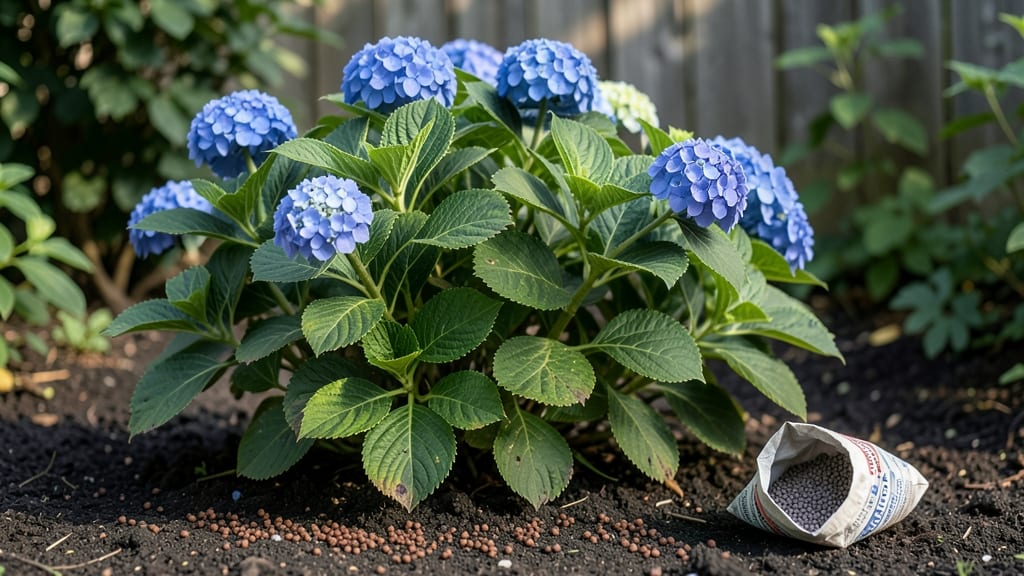
Using ferrous sulfate for hydrangeas transforms their blooms to vibrant blue by acidifying the soil and supplying iron, but improper application can harm roots. Follow package instructions precisely when applying in early spring or fall.
This mineral works by making the soil more acidic, which unlocks aluminum in the soil that hydrangeas need to produce those stunning blue anthocyanin pigments. 🌸 The key is balance—too much can create iron overload, causing yellow leaves or even root damage.
I've found that a soil test first helps determine exactly how much to use, and always mixing it with water before application prevents clumping. For gardeners who prefer gentler methods, organic amendments like peat moss or sulfur can gradually lower pH over time.
What many don't realize is that ferrous sulfate affects more than just color—it also influences overall plant health. The iron boost helps prevent chlorosis (yellowing between leaf veins), while the pH adjustment creates ideal conditions for root development.
When applying, I recommend wearing gloves and working on a dry day to avoid runoff. For container-grown hydrangeas, simply dissolve the granules in water and water thoroughly—just be sure to flush the soil after a few weeks to prevent salt buildup.
💡 In This Article
- How Ferrous Sulfate Alters Hydrangea Bloom Colors
- Step-by-Step Guide to Applying Ferrous Sulfate Safely
How ferrous sulfate alters hydrangea bloom colors
The magic behind ferrous sulfate's color transformation lies in its dual action on soil chemistry. When dissolved in water, it releases iron ions (Fe²⁺) while lowering the soil's pH from around 6.5-7.0 (neutral) to 5.0-5.5 (acidic).
This acidification triggers a cascade reaction: aluminum compounds bound in the soil become soluble, releasing aluminum ions (Al³⁺) that hydrangeas can absorb. These aluminum ions act like a catalyst for anthocyanin production—the pigments responsible for those stunning blue and purple hues. 🌸
The color shift happens because hydrangeas produce different pigments based on soil pH: blue/purple anthocyanins thrive in acidic conditions (pH < 6.0), while pink/red hues dominate in alkaline soils (pH > 7.0).
Ferrous sulfate creates the perfect acidic environment for blue blooms by both supplying iron (a micronutrient needed for pigment synthesis) and unlocking aluminum. Without sufficient aluminum, even acidic soil won't produce the same vibrant blue—this is why some gardeners see disappointing results after application.
The ideal ratio is 1 part ferrous sulfate to 10 parts water for soil incorporation, but always test first.
What's fascinating is how quickly hydrangeas respond to these chemical changes. Within 4-6 weeks of proper application, you'll notice new growth showing the color shift—this is when the plant uses the newly available aluminum and iron to produce anthocyanins.
The older blooms won't change color, but the new ones will reflect your soil adjustments. This is why timing matters: applying in early spring gives the plant's growth cycle time to utilize these nutrients before flowering season. 💫
However, the relationship between iron and aluminum isn't always straightforward. Too much ferrous sulfate can create an iron overload, where the plant absorbs excessive Fe²⁺ ions that block aluminum uptake—a condition called "iron toxicity."
This manifests as yellowing leaves with green veins (iron chlorosis) or even brown, crispy leaf edges from root burn. The sweet spot is maintaining soil pH between 5.0-5.5 while ensuring iron levels stay within 5-10 ppm—any higher risks these negative effects.
For gardeners who want to observe this process firsthand, consider this experiment: take two hydrangea cuttings from the same plant, root them, and grow one in acidic soil (pH 5.5) with ferrous sulfate and another in neutral soil (pH 7.0).
Within a few months, you'll see dramatic differences in bloom color—proof of how soil chemistry directly controls pigment production. The key takeaway is that ferrous sulfate doesn't just add iron; it fundamentally alters the soil's chemical environment to unlock hydrangeas' full color potential. ✨