
Succulent
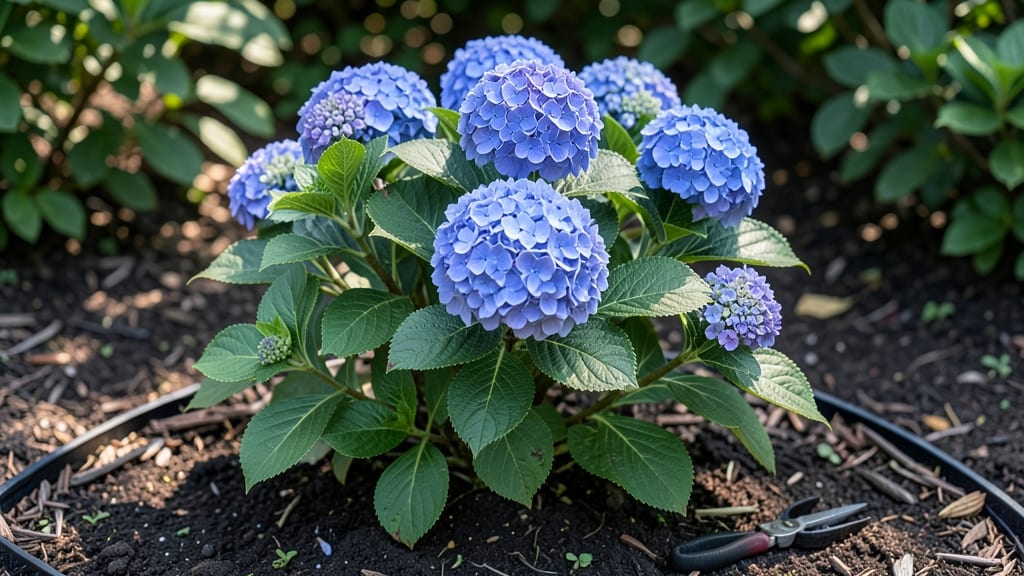
Transforming your garden into a blue-hued dream starts with French blue hydrangeas—those showstopping blooms that turn heads every summer. 🌿 The secret lies in soil pH, a science I mastered after my first batch turned pink (yes, I tested the soil three times before believing the results).
These beauties thrive in partial shade and moist, acidic soil, where the magic happens—blue blooms instead of pink. You’ll need well-draining soil with a pH between 5.0 and 5.5 (test kits make this easy) and regular watering to keep roots happy.
Plant in spring or early fall, and watch as buds form on last year’s growth—prune after flowering to avoid cutting off next season’s blooms. The payoff? Clusters of deep blue blooms that last from midsummer through fall, brighter than any store-bought bouquet.
Once established, these hydrangeas are low-maintenance, but they reward attention with bigger, bolder blooms. Mulch annually to retain moisture and acidity, and fertilize lightly in spring. Avoid overpruning—this is where beginners go wrong, often ending up with sparse blooms or leggy stems.
Perfect for containers, borders, or as a focal point, French blue hydrangeas adapt to most climates (zones 5-9). The key is patience—it takes a full season for the soil to adjust and the color to deepen. Trust the process, and you’ll have a garden that’s the talk of the neighborhood.
📚 In This Guide
- What you need
- Instructions
- Tips and common mistakes
- Wrapping up and next steps
What you need
- ● French Blue Hydrangea Plant: 1 nursery-grown specimen (bare-root or potted, 1–3 years old).
- ● Well-draining soil: 3–5 gallons of acidic, moisturizing potting mix (pH 5.0–6.0). Mix equal parts: Peat moss or coconut coir
- ● Perlite or pumice (for aeration)
- ● Compost or aged bark
- ● Container or Garden Bed: Container: 15–20 gallon pot (with drainage holes).
- ● Garden: Partial shade spot with 6+ hours of sunlight and 6+ inches of organic mulch (pine bark or oak leaves).
- ● Fertilizer: 1–2 cups of acid-loving plant fertilizer (e.g., 10-10-10 or hydrangea-specific blend, low in lime).
- ○ pH Adjusters (Optional but Helpful): Aluminum sulfate (to enhance blue blooms; 1 tbsp per gallon of water, applied monthly).
- ● Elemental sulfur (to lower pH; 1 lb per 100 sq ft of soil).
- ● Gloves & Pruners: 1 pair of sterilized pruning shears (for shaping and deadheading).
- ● Watering Can or Hose: With a spray nozzle for gentle hydration.
- ● pH Test Kit: Digital or liquid kit to monitor soil pH (aim for 5.0–5.5 for blue blooms).
- ● Mulch: 2–3 inches of pine needles or oak leaves (retains acidity and moisture).
- ○ Stakes (Optional): 2–3 bamboo stakes + soft ties (for support if growing in windy areas).
Step-by-Step guide to growing French blue hydrangeas
Here's how to coax those stunning blue blooms from your hydrangeas—it's all about the soil and a little patience.
🌱 Step 1: Choose the Right Location and Soil
French blue hydrangeas thrive in partial shade—think morning sun with afternoon shade or dappled sunlight through trees. Avoid deep shade, which leads to sparse blooms. I always test my soil first because blue flowers need acidic soil with a pH between 5.0 and 5.5—that's the magic number for blue blooms.
Amend your soil with peat moss or sulfur if your pH is too high. You'll know it's right when a soil test confirms the pH is in that sweet spot. Never plant in alkaline soil—it guarantees pink flowers instead of blue. I like to dig in a 2-inch layer of organic mulch after planting to help maintain that acidity over time.
☀️ Step 2: Plant at the Right Depth and Spacing
Dig a hole twice as wide as the root ball but only as deep—hydrangeas hate being buried too deeply. Gently loosen the roots if they're circling and position the plant so the top of the root ball sits just below soil level. French blue hydrangeas need 4-6 feet of space between plants for proper airflow and growth.
Fill the hole halfway with soil, then water deeply to settle it. This prevents air pockets that can strangle new roots. I always add a handful of slow-release fertilizer to the backfill soil—just enough to give them a gentle boost without overdoing it. Finish by mounding soil around the base and watering again until the soil is evenly moist.
💧 Step 3: Water Consistently and Monitor pH
Keep the soil evenly moist but never soggy—hydrangeas wilt easily when thirsty. Water deeply once a week, checking the top 2 inches of soil—if it's dry, it's time to water. Mulch helps retain moisture, but don't pile it against the stem. You'll see strong, vibrant growth when the leaves stay plump and dark green.
Test your soil's pH every 2-3 months during the growing season. If the blooms start turning pink, your soil's too alkaline—time to add more sulfur or peat moss. I like to use hydrangea-specific pH test kits because they're foolproof. Adjust the pH gradually; sudden changes shock the plant.
✂️ Step 4: Prune for Maximum Blooms
French blue hydrangeas bloom on old wood, so prune right after flowering in late summer or early fall. Remove dead or crossing branches first—this improves airflow and prevents disease. Then, cut back any weak stems by about one-third to encourage bushier growth next year.
Never prune in late winter or early spring—you'll remove next year's flower buds. I always sterilize my pruners with rubbing alcohol between cuts to prevent spreading disease. After pruning, give the plant a light feeding with acid-loving plant fertilizer to support new growth.
🌿 Step 5: Overwinter for Next Year's Blue Blooms
In colder climates, protect young plants with a thick layer of mulch (4-6 inches) around the base. Older plants usually handle winter fine, but a late frost can damage tender new growth. I wrap the stems of young plants with burlap if temperatures dip below 20°F—it's a simple trick that saves them every time.
In spring, remove the mulch gradually as new growth appears. Watch for new shoots in early spring—that's your cue to start fertilizing lightly. French blue hydrangeas reward patience with vibrant blue blooms year after year, but only if you keep the soil acidic and the care consistent.
Tips & tricks for perfect French blue hydrangeas
These simple strategies will help you coax the most vibrant blue blooms from your hydrangeas—no guesswork required.
Soil pH Precision: That 5.0-5.5 pH range in Step 1 is non-negotiable for true blue flowers. I've seen pink blooms turn blue within weeks after adjusting the soil—just add sulfur or peat moss gradually. For faster results, use a hydrangea-specific pH test kit every 2-3 months during growing season. The test strips are foolproof and save you from guessing.
Planting Depth Secret: In Step 2, when you're planting, resist the urge to bury the root ball too deeply. The top should sit just below soil level—any deeper and you'll smother new growth. I like to use a small stake to mark the original soil line before planting. This simple trick prevents future root stress that can weaken blooms.
Watering Wisdom: The deep watering once a week in Step 3 works best when done in the morning. This gives roots all day to absorb moisture before evening evaporation. I check soil moisture by pushing my finger 2 inches deep—if it's dry, it's time to water. Overwatering is just as bad as underwatering for these plants.
Pruning Timing: Step 4's advice to prune right after flowering can't be emphasized enough. Waiting until late winter or spring risks cutting off next year's blooms since French blue hydrangeas flower on old wood. I always sterilize my pruners between cuts with rubbing alcohol—it's a small step that prevents disease from spreading through your plant.
Pro Tips for French Blue Hydrangeas
- These simple strategies will help you coax the most vibrant blue blooms from your hydrangeas—no guesswork required.
- Soil pH Precision: That 5.0-5.5 pH range in Step 1 is non-negotiable for true blue flowers.
- Planting Depth Secret: In Step 2, when you're planting, resist the urge to bury the root ball too deeply.
Frequently asked questions
Got questions about growing and caring for French Blue Hydrangeas? You’re not alone! Here are some of the most common queries—and their answers—to help you master these stunning bloomers.
How do I keep my French Blue Hydrangeas blue?
To maintain that signature blue hue, your soil’s pH must stay between 5.0 and 5.5. Test your soil with a kit, and amend it with sulfur or peat moss if it’s too alkaline. Avoid lime or wood ash, which can turn blooms pink!
When is the best time to plant French Blue Hydrangeas?
Plant them in early spring or fall when temperatures are mild (50–70°F). This gives roots time to establish before extreme heat or cold. If planting in summer, water deeply and mulch to protect roots.
How often should I water French Blue Hydrangeas?
Water them 1–2 inches per week, keeping soil consistently moist but not soggy. Morning watering is best to reduce fungal risks. Mulch around the base to retain moisture and regulate soil temperature.
Why aren’t my French Blue Hydrangeas blooming?
Blooms may skip a year if the plant is stressed, underfed, or pruned at the wrong time. Prune right after flowering (not in late summer/fall) to encourage next year’s buds. Also, check for pests like aphids or spider mites.
What can I plant alongside French Blue Hydrangeas for a stunning combo?
Pair them with hostas (for shade), heucheras (for texture), or ferns (for lush foliage). Avoid competitive plants like boxwoods—hydrangeas need space to thrive!
Wrapping up and next steps
French blue hydrangeas are a gardener’s dream—vibrant, low-maintenance, and full of magic when you master their soil pH needs! 🌿 With the right soil mix, sunlight, and care, you’ll enjoy those stunning blue blooms year after year.
Don’t let their beauty intimidate you—start small, experiment, and watch your garden transform.
Ready to dive in? Grab your pH tester, pick a sunny spot, and plant your first French blue hydrangea today. Your garden’s masterpiece is just a shovel away!