
Blooming
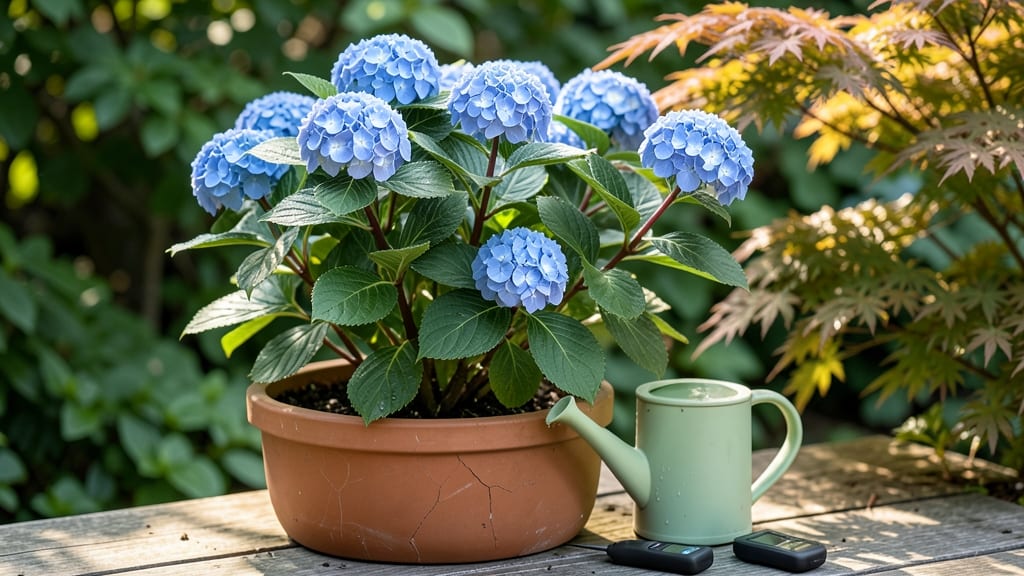
After years of trial and error, I finally cracked the code for getting hydrangeas to bloom—and it all came down to two things: acidic soil and knowing exactly when to prune. 🌸 For years, I struggled with sparse flowers until I learned the science behind hydrangea blooms. which grow on old wood (last year's growth) and new wood (this year's).
The wrong cut at the wrong time can mean no flowers at all.
The secret isn't complicated: test your soil pH (aim for 5.2-5.5 for blue flowers, 6.0+ for pink), feed with acid-loving fertilizer in spring, and prune after blooms fade in late summer—not in early spring.
Mophead varieties need a little more patience than lacecaps, but both reward you with clusters that last all summer if you get the timing right.
By next year, you'll have hydrangeas so full they'll make your neighbors jealous—vibrant blue, deep pink, or everything in between—just by adjusting a few simple habits. The blooms arrive bigger, brighter, and earlier than ever, and the process is simpler than you'd think once you know the rules.
Works for container gardens, raised beds, or in-ground plantings—just adapt the pruning schedule to your climate. Let's get those blooms going!
Hidden Reasons Your Hydrangeas Skip Blooms
Hydrangeas are the divas of the garden—stunning when they perform, but frustratingly picky when they don’t. If your lush green shrubs are throwing a one-flower show (or worse, none at all), the culprit is usually one of these science-backed factors.
Let’s dig into why your hydrangeas are holding back their blooms—and how to fix it.
Hydrangeas are seasonal bloomers, meaning their buds form in late summer or early fall—but they need consistent cool weather to set the stage. If your area experiences:
- Unseasonably warm fall nights (above 70°F/21°C): Buds may fail to initiate.
- Early spring heat waves (before last frost): Buds can "burn off" or open too soon, then wither in frost.
- Sudden temperature swings (e.g., 90°F days followed by 40°F nights): Stress disrupts flower development.
Actionable fix: Monitor your local frost dates and use frost cloth if late bloomers (like Hydrangea paniculata) are at risk. For warm-climate gardeners, choose reblooming varieties (e.g., 'Endless Summer') that adapt better to heat.
Hydrangeas are thirsty but hate soggy roots. Their blooms depend on balanced moisture, but extremes throw a wrench in the works:
| Problem | Why It Stops Blooms | Fix It |
|---|---|---|
| Underwatering (dry soil) | Bud formation requires steady hydration—stress causes buds to abort. Mophead hydrangeas are especially sensitive. | Water deeply 2–3x/week (1–1.5 inches per session). Use drip irrigation to avoid leaf burn. |
| Overwatering (waterlogged roots) | Root rot blocks nutrient uptake, including phosphorus (key for blooms). Compacted soil worsens drainage. | Amend soil with perlite or compost. Ensure pots have drainage holes. Test soil moisture with your finger—top 2" should dry slightly between waterings. |
| Inconsistent watering | Fluctuating moisture confuses the plant’s hormonal signals for flowering. | Stick to a schedule (e.g., Tuesday/Thursday mornings). Mulch with pine bark to retain moisture. |
Hydrangeas are acid-lovers, but their blooms also need specific nutrients at the right time. Common soil sins:
- High pH (alkaline soil, pH > 6.0):
- Locks out aluminum (essential for blue flower production in macrophylla types).
- Reduces phosphorus uptake, stunting bud development.
- Low organic matter:
- Lacks micronutrients like boron and manganese, which hydrangeas need for flower initiation.
- Over-fertilizing with nitrogen:
- Promotes leafy growth at the expense of blooms (think "all foliage, no show").
Actionable fix:
- Test your soil’s pH (DIY kits are cheap!). Aim for 5.2–5.5 for blue flowers, 6.0+ for pink.
- Add sulfur or peat moss to lower pH. For nutrients, use a balanced bloom booster (e.g., 10-10-10) in early spring and mid-summer.
- Avoid manure or fresh compost—it can burn roots and spike pH.
Hydrangeas bloom on old wood, new wood, or both, depending on the type. Pruning wrong can mean no flowers for a season:
| Hydrangea Type | Bloom Time | Pruning Sin | Fix It |
|---|---|---|---|
| Mophead (H. macrophylla) | Late spring/early summer (old wood) | Pruning in late winter/early spring removes next year’s buds. | Prune right after blooming (summer). Deadhead spent flowers to encourage reblooming. |
| Panicle (H. paniculata) | Mid-to-late summer (new wood) | Leaving last year’s brown blooms (they’re not buds—they’re seeds!). | Cut back 1/3 of stems in late winter to stimulate new growth. |
| Oakleaf (H. quercifolia) | Mid-to-late summer (old wood) | Heavy pruning after frost removes flower buds. | Prune lightly in late winter or after blooming. |
Pro tip: If you’re unsure, wait until after the first flush of blooms to prune. And never prune in fall—it invites disease and winter damage.
Hidden invaders can steal nutrients or damage buds before they open:
- Japanese beetles: Chew on flower buds and petals, leaving skeletonized blooms.
- Aphids: Suck sap from new growth, causing buds to fail to swell.
- Powdery mildew: Fungal infection distorts buds and turns leaves yellow.
- Root rot (Phytophthora): Chokes roots, starving the plant of water
Fixing Hydrangea Bloom Struggles
If your hydrangeas are throwing a no-show on blooms, don’t panic—there’s always a way to turn things around! The key is diagnosing the issue and applying the right cure. Below, we’ve mapped out practical fixes for the most common problems, along with prevention tips to keep your hydrangeas thriving year after year. Let’s get those flower heads popping!
Hydrangeas need partial shade (morning sun + afternoon shade), but too little light can stunt growth and blooms.
- 🔥 Fix: Gradually move potted hydrangeas to a sunnier spot over 2–3 weeks. For in-ground plants, thin nearby trees or shrubs to allow more filtered light.
- 🌡️ Pro Tip: If relocating isn’t an option, choose a sun-tolerant variety like ‘Limelight’ or ‘Endless Summer.’
- ✨ Prevention: Plant hydrangeas near a north- or east-facing wall for natural shade + indirect light.
Hydrangeas thrive in acidic soil (pH 5.2–6.0). If your soil is alkaline (pH >7), blooms may turn blue or fail to appear.
- 🔥 Fix: Test soil pH with a kit, then amend with:
- Peat moss or compost (mix 2–3 inches into the topsoil).
- Sulfur or aluminum sulfate (follow package rates for quick acidification).
- Pine needles or coffee grounds (natural, slow-release acidifiers).
- 💡 Pro Tip: For blue blooms, add aluminum sulfate (1 tbsp per gallon of water, applied monthly). For pink blooms, reduce aluminum and use lime-free fertilizer.
- 🎯 Prevention: Mulch annually with pine bark or pine straw to maintain acidity.
Pruning hydrangeas incorrectly can remove next year’s blooms. Old wood types (like ‘Annabelle’) bloom on previous year’s growth, while rebloomers (like ‘Endless Summer’) bloom on new and old wood.
- 👨🍳 Fix:
Hydrangea Type When to Prune How to Prune Old Wood Bloomers (e.g., ‘Annabelle’, ‘Grandiflora’) Right after blooming (late summer/early fall) Trim dead or weak stems back to the base. Never cut back into old wood. Reblooming Types (e.g., ‘Endless Summer’, ‘Panicle’) Late winter/early spring or right after first flush of blooms Cut back 1/3 of the oldest stems to encourage new growth. Shape lightly. - ⏰ Pro Tip: Use sterilized shears and prune on a dry day to prevent disease.
- 🔪 Prevention: Label your hydrangeas and keep pruning records to avoid mistakes!
Hydrangeas hate soggy roots but also wilt without consistent moisture. Aim for 1–1.5 inches of water per week (including rain).
- 🥘 Fix:
- For drought stress: Water deeply 2–3 times per week (early morning is best). Use a soaker hose to avoid wetting leaves.
- For overwatering: Improve drainage by adding perlite or sand to soil. Ensure pots have drainage holes.
- 🌡️ Pro Tip: Mulch heavily (3–4 inches) to retain moisture and regulate soil temperature.
- 🎯 Prevention: Group hydrangeas with thirsty plants (like hostas) for efficient watering.
Hydrangeas need balanced nutrients, especially phosphorus (for blooms) and iron (for green leaves). Over-fertilizing with nitrogen (like lawn fertilizer) = more leaves, fewer flowers!
- 🍳 Fix:
- Use a hydrangea-specific fertilizer (high in phosphorus, e.g., 10-30-20 ratio).
- Apply granular fertilizer in early spring and again after blooming.
- For a natural boost, mix in compost or worm castings in the root zone.
- 💡 Pro Tip: Avoid high-nitrogen fertilizers (like 30-0-0)—they’ll give you foliage, not flowers!
- ✨ Prevention: Test soil annually and adjust fertilizer based on results.
With these fixes, your hydrangeas should be bursting with blooms in no time! Remember, patience is key—some varieties take 2–3 years to fully mature after planting. Stick with it, and you’ll have a showstopping garden centerpiece year after year.
Frequently asked questions about getting hydrangeas to bloom
Why won't my hydrangeas bloom even though they look healthy?
Most likely, you're pruning at the wrong time or your soil isn't acidic enough. Old wood varieties need pruning after blooming, while new wood types can handle late winter cuts. Test your soil pH—hydrangeas thrive in 5.2-6.0 range. Also check if you're over-fertilizing with nitrogen (leafy growth = fewer blooms).
Can I change my hydrangea flower color from pink to blue?
Yes! For blue blooms, lower your soil pH to 5.2-5.5 by adding aluminum sulfate (1 tbsp per gallon of water) monthly. For pink flowers, raise pH to 6.0+ using lime. Remember, color changes take 2-3 months to show results.
How often should I fertilize hydrangeas for maximum blooms?
Use a balanced bloom booster (10-10-10 ratio) twice a year: once in early spring and again after the first flush of blooms. Avoid high-nitrogen fertilizers—they promote foliage over flowers. For organic options, try composted manure or worm castings in spring.
Is it too late to prune my hydrangeas if I missed the summer window?
For old wood varieties, it's best to wait until next summer. For reblooming types, you can do light pruning in late winter to shape the plant. Never prune in fall as it invites disease. If you must prune now, focus on removing dead or damaged stems only.
Why are my hydrangea buds forming but not opening?
This usually happens from late spring frost or inconsistent watering. Protect buds with frost cloth if temperatures dip below 32°F. Also check for Japanese beetles or aphids that may be damaging buds. Ensure you're watering deeply 2-3 times per week during bud formation.