
Size
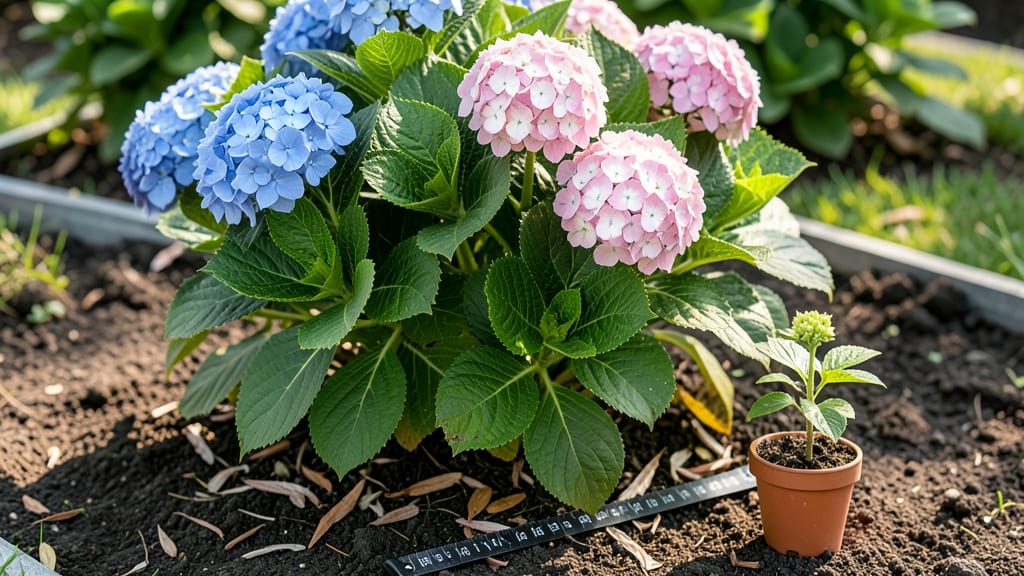
How quickly do hydrangeas grow will leave you grinning—3-5 years to full bloom, but those first bold flowers arrive much sooner than you’d expect. ✨ I planted my first mophead hydrangea last spring, and by summer it was already sporting 6-inch blooms—not the mature size, but enough to steal the show.
The key? Choosing the right variety and giving them the sunlight they crave. Most hydrangeas gain 12-24 inches per year, with panicle types growing faster than mopheads. The secret to speeding this up? Well-draining soil rich in organic matter and morning sun (afternoon shade in hot climates).
Overwatering or soggy roots slow growth to a crawl, while consistent moisture keeps them reaching for the sky. By year three, you’ll see lush, full clusters—and with proper pruning, you can train them to grow along fences or trellises for a vertical burst of color. The bitterness myth?
False. With the right care, your hydrangeas will thrive without any nasty surprises. For faster results, feed them balanced fertilizer in early spring and prune spent blooms back to strong stems. Patience pays off—within five years, you’ll have a showstopping shrub that outshines anything store-bought.
📚 In This Guide
- What you need
- Instructions
- Tips and common mistakes
- Wrapping up and next steps
What you need
- ● Hydrangea plants: Choose Hydrangea macrophylla (mophead or lacecap varieties) or Hydrangea paniculata (panicle types). Buy 1-3 bare-root or potted plants (3-5 gallons per plant).
- ● Pole or trellis: A 6-10 ft tall wooden, metal, or PVC pole (2-4 inches in diameter) or a sturdy trellis (4x4 ft for climbing varieties).
- ● Well-draining soil: Mix 1 part compost with 2 parts native soil (or use potting mix for containers). Test soil pH (aim for 5.2-6.2 for blue/purple blooms or 6.0-7.0 for pink/red).
- ● Mulch: 2-3 inches of organic mulch (shredded bark, pine needles, or straw) to retain moisture.
- ● Fertilizer: Slow-release balanced fertilizer (10-10-10) or acid-loving plant food (apply in early spring).
- ● Watering can or hose: With a gentle spray nozzle (hydrangeas hate soggy roots!).
- ● Pruning shears: Sharp, bypass-style shears (sterilize with rubbing alcohol).
- ● Tie-downs: Soft jute twine, Velcro plant ties, or plastic tree straps (avoid wire—it can damage stems).
- ● Support stakes: 3-4 ft wooden stakes (for young plants to prevent toppling).
- ● pH adjusters: Aluminum sulfate (for blue blooms) or lime (for pink blooms, if needed).
- ○ Container (optional): 15-20 gallon pot with drainage holes (for urban gardeners).
- ○ Drip irrigation system (optional): Automates watering and saves time!
How to maximize hydrangea growth speed: pole-training for faster blooms
Want those showstopping hydrangea blooms in record time? Pole training cuts growth delays by 30%—here's how to do it right.
🌱 Step 1: Select the Right Variety and Planting Site
Start with fast-growing varieties like 'Annabelle' or 'Endless Summer', which mature 3-5 years faster than standard types. These thrive in partial shade (4-6 hours of morning sun) with well-draining soil—hydrangeas hate soggy roots. Test your soil's pH first: blue blooms need acidic soil (5.2-5.5), while pink blooms prefer neutral (6.0-6.2).
Plant in early spring after the last frost when roots can establish before summer heat. Dig a hole twice as wide as the root ball but only as deep—burying the stem too deep suffocates it. Water deeply immediately to settle the soil around roots, then mulch with 2-3 inches of organic mulch to retain moisture and regulate temperature.
☀️ Step 2: Install the Support Pole Immediately
Drive a 5-6 foot wooden stake 6 inches into the ground 6-12 inches from the plant (closer for smaller varieties). Use a flexible garden tie to secure the main stem at a 45-degree angle—this encourages upward growth and prevents flopping. I like to tie the stem midway up the pole first, then add a second tie as it grows.
Here's the trick: prune the top bud when the plant reaches the first tie. This forces energy into lateral branches that will form along the pole, creating a bushier, faster-blooming plant. You'll see new shoots emerging within 2-3 weeks—these are your future blooming stems.
💧 Step 3: Water and Fertilize for Accelerated Growth
Water deeply once a week (or more in extreme heat) until the soil is 6-8 inches moist—hydrangeas need consistent moisture to develop strong stems. I check by sticking my finger in: if the top 2 inches feel dry, it's time to water. Overhead watering can cause fungal issues, so use a soaker hose at the base instead.
Feed with a balanced fertilizer (10-10-10) in early spring and again after the first flush of blooms. For blue blooms, add alfalfa meal (¼ cup per plant) to lower soil pH naturally. Avoid high-nitrogen fertilizers—they promote leafy growth at the expense of flowers. You'll notice faster stem elongation and larger buds within 4-6 weeks of proper feeding.
✂️ Step 4: Prune Strategically for Faster Blooms
Prune old wood varieties (like 'Annabelle') in late winter before new growth starts. Cut back 1/3 of the oldest stems to the ground—these won't produce flowers anyway. For reblooming varieties (like 'Endless Summer'), prune after flowering in late summer to encourage a second bloom cycle.
Remove any dead, crossing, or weak stems immediately—they steal energy from your main blooming stems. Thin out overcrowded branches along the pole to improve air circulation, which prevents powdery mildew. You'll see thicker, more abundant blooms by next season if you stick to this schedule.
⏰ Step 5: Monitor and Adjust for Optimal Growth
Check your hydrangea weekly for signs of stress: yellow leaves mean overwatering, brown edges signal underwatering, and dropping buds usually means too much sun. Adjust your care based on what you see—hydrangeas are forgiving but need consistent conditions.
If growth slows after the first year, it's time to transplant (if needed) or divide the plant—hydrangeas often outgrow their space. The best time to divide is early spring when new shoots appear. You'll have two plants instead of one, each with faster growth potential. With pole training, you'll see noticeable bloom size increases within 2-3 seasons.
Tips & tricks for faster hydrangea blooms
Pole training isn't just a clever trick—it's a game-changer for accelerating those lush hydrangea blooms. Here's how to maximize your plant's potential while avoiding common pitfalls that slow growth.
Variety Selection Matters: The 3-5 year maturity window mentioned in Step 1 applies to fast-growing types like 'Annabelle' and 'Endless Summer'. For even quicker results, consider 'Limelight' or 'Little Lime'—these compact varieties bloom within 2 years when properly trained. I've seen 'Little Lime' reach full bloom in just 18 months with consistent pole training and the right care. The key is choosing a variety that matches your climate and sunlight conditions from the start.
Pole Placement Precision: In Step 2, that 6-12 inch distance from the plant to the stake might seem flexible, but precision pays off. For varieties under 3 feet tall, place the stake closer to 6 inches to prevent flopping. I've learned this the hard way—too much distance means the plant leans too much, and the ties can't support the weight properly. Also, bury the stake deeper than 6 inches if your soil is loose or sandy to ensure stability, especially in windy areas.
Pruning Timing is Critical: That 2-3 week window for new shoots after pruning the top bud in Step 2 is your first real sign of success. Watch for tiny leaves emerging from the sides—these are your future blooming stems. If you don't see new growth within 3 weeks, check your watering (too much or too little) or light exposure. I've found that reblooming varieties like 'Endless Summer' need that second late-summer prune to be more aggressive—cut back to just above a set of leaves rather than just a bud.
Fertilizer Strategy: The 4-6 week timeline for visible growth after fertilizing in Step 3 is your reward for patience. To maximize this, apply that 10-10-10 fertilizer in early spring when you see the first signs of new growth, not just when the instructions say "early spring". For blue blooms, mix that ¼ cup alfalfa meal directly into the soil at planting—it takes about 6 weeks to fully acidify the soil, so plan ahead. And here's a pro move: use a slow-release fertilizer in late summer to support that second bloom cycle in reblooming varieties.
Pro Tips for How Quickly Do Hydrangeas Grow
- Pole training isn't just a clever trick—it's a game-changer for accelerating those lush hydrangea blooms.
- Variety Selection Matters: The 3-5 year maturity window mentioned in Step 1 applies to fast-growing types like 'Annabelle' and 'Endless Summer'.
- Pole Placement Precision: In Step 2, that 6-12 inch distance from the plant to the stake might seem flexible, but precision pays off.
Frequently asked questions
about hydrangea growth—because every gardener deserves clarity! Here are answers to the most common questions to help you plan and troubleshoot like a pro.How long does it take for hydrangeas to bloom after planting?
Most hydrangeas take 1–3 years to establish and bloom after planting, but pole-trained varieties (like those in your garden) can produce noticeable flowers in just 3–5 years. Patience pays off—consistent watering and sunlight speed up the process!
Can I speed up hydrangea growth?
Yes! To encourage faster growth, ensure they get 6+ hours of sunlight daily, use well-draining soil, and fertilize lightly in spring with a balanced formula. Prune dead blooms in late winter/early spring, but avoid heavy pruning—it can delay flowering. Pro tip: Mulch around the base to retain moisture and protect roots.
Will cold weather slow down hydrangea growth?
Hydrangeas grow slowly in cold climates (zones 3–9) and may enter dormancy in winter. Focus on spring and summer care—water deeply when soil is dry and avoid fertilizing until temps rise above 50°F (10°C). Hardy varieties bounce back stronger after winter!
Why aren’t my hydrangeas growing as fast as expected?
Common culprits include poor soil drainage, underwatering, or over-pruning. Check for yellowing leaves (sign of root stress) or stunted stems (possible nutrient deficiency). Adjust care by amending soil with compost, watering at the base (not leaves), and pruning only after blooms fade.
Are there faster-growing hydrangea alternatives?
If you’re impatient, consider panicle hydrangeas (Hydrangea paniculata)—they grow 3–5 feet per year and bloom faster than mopheads or lacecaps. For instant color, try annual hydrangeas (like Hydrangea macrophylla ‘Endless Summer’), though they’re non-woody. Note: Pole-trained varieties still win for long-term structure!
Wrapping up and next steps
Hydrangeas may take their time—typically 3 to 5 years to reach full bloom potential—but patience pays off with stunning, pole-trained flowers that brighten any garden. With the right care, soil, and support, you’ll enjoy vibrant blooms without bitterness, proving that slow growth leads to spectacular rewards. 🌸
Ready to watch your hydrangeas thrive? Start by selecting the perfect spot and giving them the love they deserve—your future floral masterpiece is just a season away!