
How To
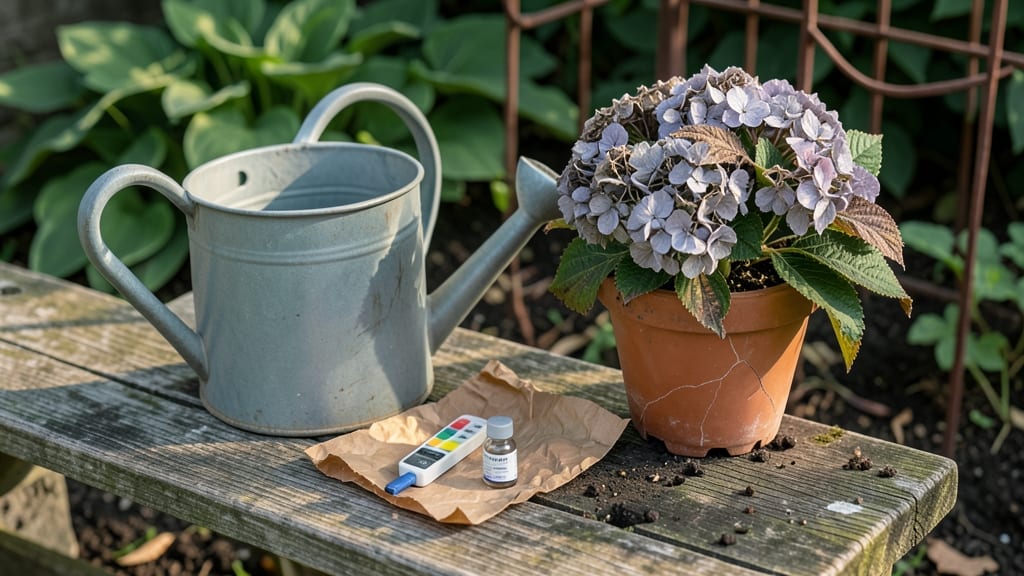
Here’s how to bring hydrangeas back to life—they might look defeated, but with the right care, they’ll bloom brighter than ever. 💚 I’ve nursed back more than my share of sad, wilted blooms, and the secret isn’t magic, just understanding what they really need.
Most people overwater, underfeed, or prune at the wrong time, turning vibrant bushes into sad, drooping shadows.
Start by checking the roots: dry soil means they’re thirsty, but soggy soil means they’re drowning. Yellow leaves? Too much fertilizer. Brown stems? Winter damage or pests. The fix is simpler than you think—adjust watering, trim dead growth, and feed them right.
My hydrangeas went from "almost dead" to bursting with color in just 6 weeks last summer.
You’ll see new buds within 3-4 weeks if you catch the problem early. The blooms will be bigger, the foliage richer, and you’ll never second-guess your watering schedule again. Prevention is key—once you know the signs, you’ll spot trouble before it starts.
Works for both in-ground and container hydrangeas, no matter your yard size. Let’s bring them back to life—step by step.
Why it happens
Hydrangeas are resilient plants, but they can quickly lose their luster when environmental or care-related factors go awry. Understanding why your hydrangeas are struggling is the first step to reviving them. Let’s break down the most common culprits—backed by science—and why they trigger wilting, browning, or even death.
Hydrangeas thrive in moist but well-draining soil. Too much water—especially in heavy clay or compacted soil—leads to root suffocation. When roots sit in soggy conditions, they can’t absorb oxygen, causing:
- Root rot: Fungal infections (like Phytophthora) attack waterlogged roots, turning them mushy and black.
- Nutrient starvation: Excess water flushes out essential nutrients (e.g., nitrogen, potassium), leaving the plant weak.
- Leaf scorch: Even with plenty of water, roots can’t deliver it efficiently, leading to crispy, brown edges on leaves.
Science note: Hydrangeas prefer soil with a pH of 5.2–6.2. Overwatering also dilutes soil acidity, further stressing the plant.
While hydrangeas love partial shade, too much direct sunlight—especially in hot climates—can cause:
- Leaf bleaching: Chlorophyll breaks down under intense UV rays, turning leaves white or yellow.
- Bud drop: Heat above 90°F (32°C) forces flower buds to abort before blooming.
- Wilting: Rapid water loss through transpiration outpaces root uptake, leading to floppy stems.
Science note: Hydrangeas close their stomata (pores) in extreme heat to conserve water, but this halts photosynthesis and weakens the plant.
Hydrangeas hate sudden shifts—whether it’s a late frost damaging buds or a freeze-thaw cycle cracking roots. Cold stress triggers:
- Bud freeze: Flowers and new growth die back when temps drop below 28°F (-2°C).
- Root damage: Frozen soil disrupts water uptake, causing wilting even if the plant looks healthy above ground.
- Bacterial/fungal infections: Cold-stressed plants are more vulnerable to pathogens like Erwinia (bacterial wilt).
Science note: Cell membranes rupture at 32°F (0°C), killing delicate hydrangea tissues. Mulch helps insulate roots!
Hidden beneath the soil, hydrangeas face silent threats like:
- Vole or slug damage: Gnawed roots can’t transport water, causing sudden wilting.
- Powdery mildew: Fungal spores (e.g., Erysiphe) clog leaf surfaces, reducing photosynthesis.
- Scale insects: These sap-suckers weaken stems by draining nutrients, leading to stunted growth.
Science note: A single voles can destroy 20% of roots overnight, leaving the plant starved for water.
Hydrangeas are heavy feeders, and poor soil leads to:
- Yellow leaves (chlorosis): Lack of iron or magnesium (common in alkaline soil) stunts chlorophyll.
- Purple stems: Phosphorus deficiency weakens root and flower development.
- Stunted growth: Low nitrogen limits leaf production, making the plant vulnerable to stress.
Science note: Hydrangeas need 1.5–2 inches of compost annually to replenish nutrients. A soil test can reveal exact deficiencies!
Moving hydrangeas—even to a "better" spot—can trigger shock if roots are disturbed. Signs include:
- Wilting within days: Damaged roots can’t absorb water fast enough.
- Leaf drop: The plant sheds foliage to conserve energy.
- Slow recovery: New growth may take 4–6 weeks to resume.
Science note: Roots release ethylene gas under stress, which accelerates wilting. Pruning damaged roots during transplanting helps.
Reviving Your Hydrangeas Step by Step
Now that you know the common culprits behind wilted or struggling hydrangeas, let’s roll up your sleeves and bring them back to their vibrant best! The good news?
Most issues have simple, actionable fixes—no green thumb required. Below, we’ll match each problem to a clear, step-by-step solution, plus tips to keep your hydrangeas thriving long-term.
Signs: Yellowing leaves, soggy soil, or roots that smell foul (like rot).
How to Fix It:
- Stop Watering Immediately 🚰
- Let the soil dry out slightly between waterings. Stick your finger 1–2 inches into the soil—if it’s damp, wait another day.
- Improve Drainage 🏗️
- If your hydrangea is in a pot, add perlite or coarse sand to the soil mix (aim for 20% amendment).
- For in-ground plants, consider raising the bed slightly or adding gravel at the bottom of the hole before replanting.
- Repot if Needed 🏺
- If roots are mushy or black, trim away the damaged parts with sterilized scissors and repot in fresh, well-draining soil.
Prevention Tips:
- Water deeply but less often—hydrangeas prefer 1–1.5 inches of water per week (including rain).
- Use pots with drainage holes and avoid saucers that trap excess water.
- Mulch around the base (2–3 inches of organic mulch) to regulate moisture and temperature.
Signs: Crispy leaf edges, wilting even when soil is moist, or blooms drying out prematurely.
How to Fix It:
- Move to Partial Shade 🌳
- Hydrangeas thrive in morning sun + afternoon shade. If outdoors, relocate to a spot with 4–6 hours of filtered light.
- For potted hydrangeas, place them under a light canopy or near a north-facing window.
- Provide Afternoon Relief 🌧️
- On scorching days, mist the leaves lightly in the afternoon or use a shade cloth (30–50% coverage).
- Adjust Watering 💦
- Water early in the morning to reduce evaporation. Aim for 1–2 gallons per plant during heatwaves.
Prevention Tips:
- Choose the right variety—some hydrangeas (like Hydrangea macrophylla) handle shade better than others.
- Group plants together to create a microclimate with cooler, more humid air.
- Avoid pruning in summer—wait until early spring to reduce stress.
Signs: Dry, brittle leaves, drooping blooms, or soil pulling away from the pot edges.
How to Fix It:
- Water Thoroughly 💦
- Soak the soil until water runs out the drainage holes (for pots) or seeps 6 inches deep (for in-ground plants).
- Bottom-watering (placing the pot in a tray of water for 20–30 minutes) helps prevent fungal issues.
- Create a Moisture Retention Layer 🌱
- Mix coco coir or peat moss into the soil (20–30%) to hold moisture.
- For in-ground plants, mulch heavily (3–4 inches) to lock in humidity.
- Revive Drooping Blooms 🌸
- Trim back severely wilted stems just above a leaf node. New growth will emerge from the base.
Prevention Tips:
- Set a watering schedule—hydrangeas need consistent moisture, especially in containers.
- Use self-watering pots or drip irrigation for busy gardeners.
- Group thirsty plants together to create a shared watering zone.
Signs: Pale yellow leaves, stunted growth, or small, sparse blooms.
How to Fix It:
- Test Your Soil 📊
- Use a DIY soil test kit (available at garden centers) to check pH and nutrient levels. Hydrangeas prefer acidic to neutral soil (pH 5.5–6.5).
- Fertilize Smartly 🌿
- For acidic-loving varieties (like blue hydrangeas):
- Use a balanced fertilizer (10-10-10) in early spring and mid-summer.
- Add sulfur or aluminum sulfate to lower pH if needed (follow package instructions).
- For neutral soil varieties (like oakleaf hydrangeas):
- Switch to a low-acid fertilizer (like 12-4-8) and lime if soil is too acidic.
- For acidic-loving varieties (like blue hydrangeas):
- Boost with Organic Matter 🍂
- Mix in compost or aged manure around the base to improve soil structure and nutrient availability.
Prevention Tips:
- Fertilize in stages—too much at once can burn roots. Split doses into 3 applications (spring, summer, fall).
- Avoid high-nitrogen fertilizers in late summer—they promote leafy growth over blooms.
- Use slow-release granules for steady nutrition without risk of overfeeding.
Signs: Holes in leaves, sticky residue (sap), black spots, or white mold on stems.
How to Fix It:
- Identify the Culprit 🔍
- Aphids/spider mites: Tiny insects on undersides of leaves.
- Powdery mildew: White, powdery coating on foliage.
- Root rot: Soft, discolored stems and foul-smelling soil.
- Treat Accordingly 🛡️
- For pests:
- Blast off with water (spray leaves with a strong stream).
- Neem oil spray (1 tsp neem oil + 1 tsp mild soap per quart of water) applied every 5–7 days.
- For fungal issues:
- Remove infected leaves and dispose of them in the trash (not compost).
- Apply baking soda spray (1 tsp baking soda + 1 quart water + drop of soap) weekly.
- For pests:
- Prevent Future Infestations 🛡️
- Space plants properly (18–24 inches apart) for airflow.
- Avoid overhead watering—water at the base to keep foliage dry.
Prevention Tips:
- Inspect plants weekly during growing season.
- Encourage beneficial insects like ladybugs or lacewings by planting marigolds or dill nearby.
- Clean up debris in fall to remove overwintering pests.
Pro Tip: 💡 Don’t over-prune! Hydrangeas bloom on old wood (last year’s growth) or new wood (current season’s growth), depending on the variety. If you’re unsure, wait until after flowering to prune.
Frequently asked questions
How quickly can I expect to see results after reviving my hydrangeas?
With proper care, you’ll often notice new growth within 3-4 weeks. For severely neglected plants, it may take up to 6-8 weeks to see full recovery. Focus first on fixing watering and soil issues—these show the fastest improvements. The blooms themselves typically return to full vigor by next season.
Can I use coffee grounds to revive my hydrangeas?
Yes! Coffee grounds are excellent for acid-loving hydrangeas because they lower soil pH naturally. Mix ½ cup of used coffee grounds into the top 2 inches of soil monthly. For faster results, combine with compost. Just avoid overdoing it—too much can make the soil too acidic.
What's the best time of year to prune struggling hydrangeas?
The ideal time depends on your variety. For most hydrangeas, prune in late winter or early spring (before new growth starts). If your plant is severely damaged, you can do a light cleanup in late summer after flowering. Never prune in fall—this encourages tender new growth that won't survive winter.
How do I know if my hydrangea is getting enough (or too much) water?
Check the soil 2 inches deep—if it's dry, water thoroughly. If it's soggy, wait another day. A good test: Lift the pot (if potted) or press your finger into the soil. Healthy hydrangeas should have consistently moist (not waterlogged) soil. Yellow leaves often indicate overwatering, while crispy edges suggest underwatering.
Will my hydrangea recover if the stems are completely brown and mushy?
It depends on the root health. If only the stems are damaged but the roots are firm and white, trim back all brown growth to healthy tissue and give it proper care. If the roots are also mushy, you'll need to repot in fresh soil. Even severely damaged plants can recover if the roots are still alive—just be patient and consistent with care.