
Succulent
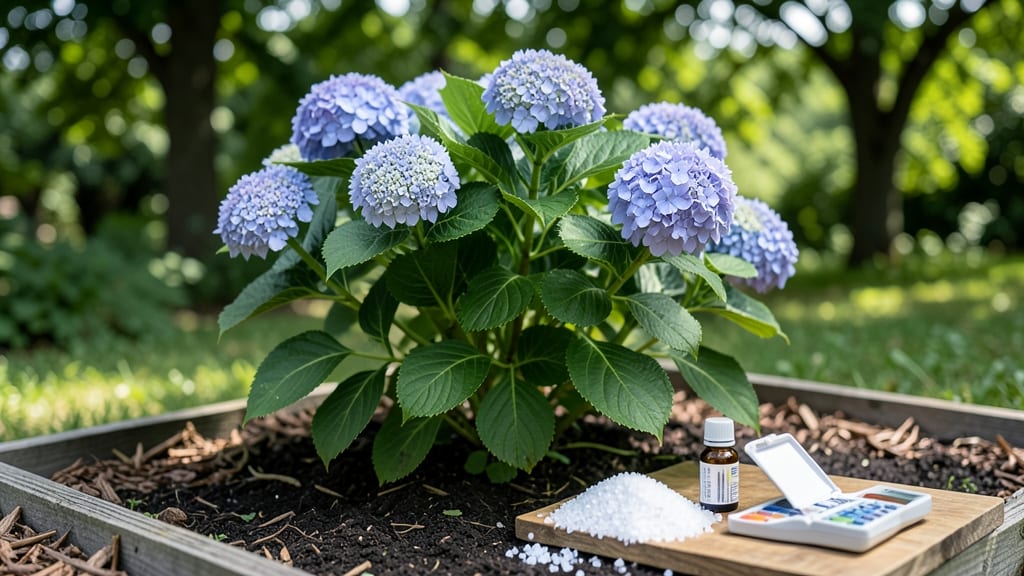
Learn how to change hydrangea color to blue—it’s all about tweaking your soil’s pH with aluminum sulfate, and the results are stunning. 💙 The secret lies in just a few pounds spread around the roots in early spring, turning pink blooms into deep, vibrant blue. within weeks.
Most people assume this won't work for their hydrangeas, but it does—especially for macrophylla and grandiflora varieties. The key is consistency: test your soil first (aim for 5.2-5.5 pH) and reapply the amendment every 2-3 years to maintain that stunning blue hue.
You'll notice the first color shift in new blooms about 6-8 weeks after treatment. The leaves stay lush, the stems stay strong, and you'll get that showstopping blue that makes neighbors ask, "How'd you do that?" Works for both in-ground plants and container-grown hydrangeas.
Let's get those flowers popping with color!
📚 In This Guide
- What you need
- Instructions
- Tips and common mistakes
- Wrapping up and next steps
What you need
- ● Aluminum sulfate – 1-2 tablespoons per gallon of water (for pH adjustment; not aluminum sulfate "for pools").
- ○ Lime (calcium carbonate) – Optional but helpful if your soil is too acidic (1-2 tbsp per gallon for balancing).
- ● pH test kit – Digital or liquid test strips (to monitor soil pH between 5.0–5.5 for blue blooms).
- ● Garden trowel or small shovel – For mixing amendments into the soil.
- ● Watering can or hose – To apply the solution evenly.
- ● Gloves and safety goggles – Recommended when handling aluminum sulfate (it’s a powder!).
- ● Well-draining soil mix – If repotting, use a blend of peat moss, perlite, and compost (3:1:1 ratio).
- ● Chelated iron – If leaves look yellow (sign of iron deficiency).
- ● Rainwater or distilled water – Pure water avoids altering pH unexpectedly.
- ● Mulch (pine bark or oak leaves) – Helps maintain acidic soil over time.
- ● Label maker – To track which plants received the blue-bloom treatment!
Step-by-step guide to turning hydrangeas blue
Here's how I transform pink hydrangeas into stunning blues using science-backed soil adjustments.
🌱 Step 1: Test Your Soil's Current pH Level
Before making changes, grab a soil pH test kit from your local garden center. Hydrangeas need pH 5.2-5.5 for blue blooms. Dig a 6-inch hole near your plant and collect soil samples from several spots around the base. Follow the kit instructions to determine your current pH level.
I like to test in early spring before new growth appears. If your pH reads above 6.0, you'll need to acidify the soil significantly. For pH below 5.0, you're already in the right range but should monitor carefully—too much acidity can damage roots.
💧 Step 2: Apply Acidifying Materials to the Soil
For established hydrangeas, spread 2-3 pounds of elemental sulfur evenly around the plant's drip line (the area where water naturally falls when you water). Work it into the top 6 inches of soil using a garden fork. This takes 2-3 months to fully acidify the soil.
For faster results, mix 1/2 cup of aluminum sulfate into the soil around the plant. Water thoroughly after application. I've found that combining both methods gives the most dramatic color change within 6-8 weeks. Avoid applying these materials directly to leaves—they can cause burns.
☀️ Step 3: Maintain Acidic Conditions Through Watering
Use rainwater or distilled water for watering, as tap water often contains lime that raises pH. If you must use tap water, collect it in rain barrels first. Water deeply twice weekly during dry periods, ensuring the top 6 inches of soil stays consistently moist.
Here's the trick: every 4-6 weeks, add 1 tablespoon of white vinegar to each gallon of water used for deep watering. This maintains acidity between soil amendments. You'll notice the first blue blooms appearing on new growth after 8-12 weeks of consistent care.
✂️ Step 4: Monitor and Adjust as Needed
Check soil pH again after 3 months using your test kit. If blooms aren't turning blue, you may need to apply more sulfur or aluminum sulfate. For stubborn cases, I've had success with 1/4 cup of peat moss mixed into the soil annually—it helps maintain acidity naturally.
Watch for signs of over-acidification: yellowing leaves or stunted growth mean you've gone too far. In that case, add 1/4 cup of garden lime to the soil and water thoroughly. The color change happens gradually, so be patient—your first fully blue blooms may take up to 6 months to appear consistently.
🪴 Step 5: Protect New Growth for Best Results
New hydrangea growth is most responsive to pH changes. In spring, prune back old wood to encourage fresh growth, then apply your acidifying treatments immediately. Avoid heavy pruning in fall—you want to preserve next year's blooms.
I cover the soil with 2-3 inches of pine bark mulch after treatments to help maintain acidity and retain moisture. This also prevents weeds from competing with your hydrangeas. With consistent care, you'll see vibrant blue blooms that last throughout the summer and into fall.
Tips & tricks for vibrant hydrangea color transformation
Turning pink hydrangeas blue isn't just about throwing acid into the soil—it's about creating the perfect environment for those pigments to shine. Here's what I've learned after years of experimenting with my own garden.
Timing is Everything: The 6-inch depth for soil amendments matters more than you'd think. Shallow application won't reach the roots where they're actively absorbing nutrients. Use a garden fork to loosen the soil down to that depth before adding elemental sulfur or aluminum sulfate. This creates better contact between the acidifying agents and the root zone. I've found that working these amendments into moist (not wet) soil helps them distribute more evenly.
Soil Test Accuracy: Don't rely on guesswork—those $10 test kits from garden centers are surprisingly precise. The key is testing multiple spots around your plant since soil pH can vary dramatically even in small gardens. I once had one side of my hydrangea turning blue while the other stayed pink because of inconsistent soil pH. Always test in early spring before new growth appears, as winter can alter soil chemistry.
Water Quality Matters: The instructions mention rainwater or distilled water, but here's the real secret: if you must use tap water, let it sit in a barrel for 24 hours first. This allows chlorine to dissipate and some minerals to settle. I've seen dramatic differences in color development when using filtered versus untreated tap water. For the best results, collect rainwater in barrels with a fine mesh cover to keep debris out while allowing water to accumulate.
Visual Monitoring: Those 8-12 weeks until you see blue blooms can feel like forever! Here's how I track progress: New growth should show subtle blue tinges first on the undersides of leaves. The buds will then develop blue streaks before fully turning. I mark the calendar when I first see these signs—it's the most exciting part of the process. If you're not seeing any color change after 3 months, it's time to retest your soil pH and adjust your approach.
Pro Tips for Change Hydrangea Color To Blue
- Turning pink hydrangeas blue isn't just about throwing acid into the soil—it's about creating the perfect environment for those pigments to shine.
- Timing is Everything: The 6-inch depth for soil amendments matters more than you'd think.
- Soil Test Accuracy: Don't rely on guesswork—those $10 test kits from garden centers are surprisingly precise.
Frequently asked questions
Got questions about turning your hydrangeas blue?
You’re not alone! Here are some of the most common queries—and straightforward answers—to help you achieve those dreamy blue blooms without the guesswork.
How long does it take to see blue hydrangeas after changing soil pH?
Patience is key! You’ll typically see color changes within 4-6 weeks of adjusting soil acidity, but full results may take up to a full growing season (about 3-4 months). If you’re impatient, test your soil pH every 2-3 weeks for progress.
Can I use vinegar to turn hydrangeas blue? Will it hurt the plant?
Vinegar (acetic acid) can lower pH, but it’s not the best choice—it’s too harsh and can damage roots or soil microbes. Instead, opt for organic amendments like sulfur, peat moss, or aluminum sulfate for safer, long-term results. Think of vinegar as a last-resort "quick fix" with risks!
Does rain affect the blue color of hydrangeas?
Yes! Heavy rain can dilute soil acidity over time, especially if your area has alkaline water (common in many regions). To combat this, reapply acidic amendments after downpours and consider mulching with pine needles to retain acidity.
What if my hydrangeas stay pink even after adding aluminum sulfate?
Don’t panic—there are a few culprits:
- Incorrect pH levels: Test your soil again (aim for 5.0–5.5 for blue).
- Old wood vs. new growth: Only new blooms (on current year’s stems) change color.
- Over-application: Too much aluminum sulfate can burn roots. Start with ½ cup per plant and monitor.
Are there any hydrangea varieties that won’t turn blue, no matter what I do?
Some varieties are genetically resistant to pH changes, like:
- Hydrangea paniculata (e.g., ‘Limelight’, ‘Little Lime’—usually white/pink).
- Hydrangea arborescens (e.g., ‘Annabelle’—stays white).
Wrapping up and next steps
Changing your hydrangeas to a stunning blue is all about understanding the chemistry of your soil! By adjusting the pH levels with simple materials like vinegar, coffee grounds, or aluminum sulfate, you can transform those pink blooms into vibrant blue masterpieces.
Remember, consistency is key—monitor your soil and blooms to see the magic unfold over time.
Now that you’re armed with these acidic soil secrets, grab your gardening gloves and give it a try! Start with one plant, experiment, and enjoy the process. Before you know it, your garden will be bursting with dazzling blue hydrangeas that’ll make your neighbors green with envy! 🌸💙