
How To
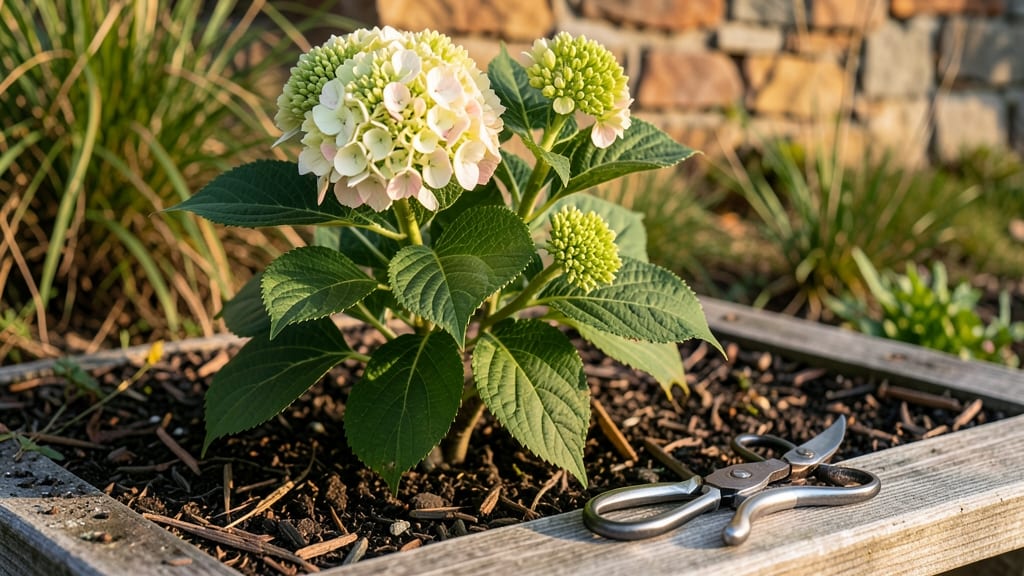
Pruning hydrangea trees reveals their hidden potential—those lush blooms you love start with just three simple cuts at the right time. 🌿 I used to dread pruning mine, but after learning the science behind it, my oakleaf hydrangea now bursts with color from spring through fall.
The key is knowing when and where to trim, and it’s easier than you think.
Start by gathering basic tools—a sharp pair of pruners, gloves, and a bucket for clippings. The best time depends on your hydrangea type: mopheads bloom on old wood, so prune right after flowering; panicles and oakleaf bloom on new growth, so prune in late winter or early spring.
Focus on removing dead wood first, then thin out crowded branches to improve airflow and sunlight penetration.
📚 In This Guide
- What you need
- Instructions
- Tips and common mistakes
- Wrapping up and next steps
What you need
- ● Pruning shears (bypass pruners) – Sharp, high-quality (e.g., Felco or Fiskars), 5-8 inch blade for precision cuts.
- ● Loppers – For thicker branches (½–1½ inches), bypass or anvil type with a long handle (24–36 inches) for leverage.
- ● Pruning saw – For branches >1½ inches thick, bow or pruning saw with a fine-tooth blade.
- ● Gloves – Heavy-duty, cut-resistant (e.g., Mechanix or garden gloves) to protect from thorns and sap.
- ● Disinfectant (70% isopropyl alcohol or bleach solution) – 1 part bleach to 9 parts water to sterilize tools between cuts and prevent disease.
- ● Rubbing alcohol or hand sanitizer – For cleaning hands after pruning.
- ○ Tarp or drop cloth – To collect debris (optional but handy for cleanup!).
- ● Pole saw or extension pruners – For high branches (10–15 feet reach).
- ● Ladder (stable, 4–6 feet tall) – If your tree is tall or dense (always prioritize safety!).
- ● Marking twine or flags – To tag branches for removal if you’re unsure.
- ● Mulch or compost – To refresh the base after pruning.
- ○ Pruning sealant (optional) – For large cuts >1 inch (controversial—some gardeners skip it!).
Step-by-step instructions for pruning hydrangea trees
Here’s the straightforward method I use to keep my hydrangeas blooming beautifully year after year—no guesswork, just three clear cuts.
✂️ Step 1: Identify the Right Time and Type of Hydrangea
Timing matters more than you think. For panicle hydrangeas (like 'Limelight' or 'Little Lime'), prune in late winter or early spring before new growth starts. These bloom on current season’s wood, so you’re just cleaning up old stems. For mophead and lacecap hydrangeas (like 'Endless Summer'), prune right after flowering—they bloom on old wood, so wait until you see spent blooms.
Here’s the trick: Look for last year’s flower heads—if they’re still attached, don’t cut them yet. If they’re brown and crispy, it’s safe to prune. I always mark the stems with a ribbon if I’m unsure, so I don’t accidentally cut too early.
✂️ Step 2: Remove Dead, Weak, or Crossing Branches
Start by grabbing your sharp pruners and scan the tree for dead wood—it’ll be brittle, dark, or missing bark. Snip these out completely at the base. Next, look for weak or spindly branches (thinner than a pencil) or any that cross and rub against others. These compete for energy and can create wounds where pests hide.
Cut these back to a healthy outward-facing bud or the main stem. Angle your cut slightly downward to prevent water from pooling. I like to step back after each cut—this helps me spot hidden issues like hidden branches or uneven growth patterns.
✂️ Step 3: Shape the Tree for Airflow and Light
Now for the simple shaping cut: Focus on opening up the center of the tree. Hydrangeas hate crowded interiors—they lead to mold, mildew, and poor blooms. Use your pruners to thin out 10-20% of the oldest stems (the thickest ones at the base) to encourage new growth. Cut these back to a strong lateral branch or bud, never leaving a stub.
For height control, you can trim the tallest branches by about one-third, but only if they’re overpowering the shape. The goal is to keep the tree balanced and full—think of it like giving your hydrangea a spa day. After pruning, spray the cuts with pruning sealant (optional but helpful for large cuts) to protect against disease.
✂️ Step 4: Clean Up and Fertilize for Next Season
Rake up all the clippings and dispose of them in the trash—never compost hydrangea debris, as it can harbor diseases. Wipe down your pruners with rubbing alcohol to sterilize them before storing. Once the tree is tidy, give it a light feeding with balanced fertilizer (10-10-10) in early spring to fuel new growth.
Here’s the thing—hydrangeas reward patience. If you prune correctly now, you’ll see fuller blooms and fewer pests next season. Water deeply after pruning to help the tree recover, and watch for new shoots by late spring. That’s your sign you did it right!
Tips & tricks for perfect hydrangea pruning
Here's what nobody tells you about pruning hydrangeas—these little tricks make all the difference between a healthy bush and one that struggles to bloom.
Timing Secret: For panicle hydrangeas, mark your calendar for late February to early March—this is when they're dormant but just starting to wake up. I always set a reminder because I've learned the hard way that pruning too early can stimulate new growth that gets nipped by late frosts. For mophead and lacecap varieties, wait until after the first flush of blooms has faded completely—usually mid-to-late summer. Pro tip: Snap a photo of your blooms when they're fully open to remember what "spent" looks like next year.
Tool Technique: Your pruners are more important than you think. I've ruined perfectly good cuts with dull blades that tear instead of cleanly severing. Before you start, test your pruners on a small branch—if it crushes the wood instead of cutting cleanly, sharpen them first. And here's a trick I learned from my local nursery: Wipe your pruners with rubbing alcohol between cuts on different trees to prevent spreading disease. This might seem like overkill, but I've seen entire gardens ruined by careless pruning practices.
Visual Cue for Pruning: When shaping your hydrangea in Step 3, imagine you're creating a lacy doily—open in the center with layers of foliage cascading outward. The 10-20% rule for thinning oldest stems might sound vague, but here's how I make it concrete: Count your main stems, then remove every 5th or 6th oldest stem starting from the thickest ones at the base. This creates instant airflow while maintaining that lush look. And remember, you're not just cutting branches—you're sculpting next year's blooms.
Aftercare Strategy: That final step about fertilizer is crucial, but here's what I do differently: I mix my 10-10-10 fertilizer with a handful of compost when I feed in early spring. The compost adds beneficial microbes that help the tree recover from pruning stress while the fertilizer gives it the nutrients it needs for vigorous new growth. Water deeply right after pruning—about 1-2 gallons per foot of tree height—this helps the tree establish new roots quickly. I always check the soil moisture a week later to make sure it's holding water properly.
Pro Tips for Prune Hydrangea Tree
- Here's what nobody tells you about pruning hydrangeas—these little tricks make all the difference between a healthy bush and one that struggles to bloom.
- Timing Secret: For panicle hydrangeas, mark your calendar for late February to early March—this is when they're dormant but just starting to wake up.
- Tool Technique: Your pruners are more important than you think.
Frequently asked questions
Got questions about pruning hydrangea trees? You’re not alone! Here are answers to the most common concerns—so you can prune with confidence and keep your blooms looking their best.
When is the best time to prune a hydrangea tree?
Timing depends on your hydrangea type. For bigleaf and oakleaf varieties, prune right after flowering (late summer to early fall) to avoid cutting off next year’s blooms. Panicle and smooth hydrangeas bloom on new wood, so prune in late winter or early spring for a fresh start. Always avoid pruning in late fall—it can leave cuts vulnerable to winter damage.
How do I know if I’m pruning too much?
Over-pruning can stress your hydrangea, leading to fewer blooms. As a rule, never remove more than 1/3 of the plant’s total growth in one season. Look for a healthy balance of old and new wood—cut back only dead, diseased, or overcrowded branches. If you’re unsure, take a photo before pruning to compare later!
Why aren’t my hydrangeas blooming after pruning?
Bloom issues often stem from cutting at the wrong time or too aggressively. If your hydrangea blooms on old wood (like bigleaf), pruning in spring or summer can remove next year’s buds. For new wood bloomers (like panicle), prune too late, and you might miss the growth cycle. Check your variety and adjust your timing—patience is key!
Can I prune hydrangeas in winter?
Winter pruning is risky but possible for new wood bloomers (panicle/smooth) if you’re in a mild climate. Avoid pruning in freezing temps or heavy snow, as cold stress can harm the plant. If you must prune in winter, do it on a dry day and sterilize your tools to prevent disease. For most regions, late winter (just before buds swell) is ideal.
What if I accidentally pruned my hydrangea at the wrong time?
Don’t panic! Hydrangeas are resilient. If you pruned old-wood bloomers too late, they may skip flowering that year but should rebound. For new-wood types, focus on next year’s growth—prune lightly in late winter to encourage fresh blooms. Water deeply after pruning to help the plant recover, and fertilize lightly in spring to support new growth.
Wrapping up and next steps
Pruning your hydrangea tree doesn’t have to be intimidating—just follow these three simple cuts and watch your plant thrive year after year! 🌸 Whether you’re shaping for summer blooms or winter prep, timing and technique are your best friends.
Now that you’re armed with the know-how, grab those shears and give your hydrangea the love it deserves.
Ready to take it further? Experiment with different pruning styles—like deadheading or shaping—or share your progress with fellow gardeners for extra tips! 🌿 Your hydrangea’s vibrant future starts with one confident cut at a time.