
Advice
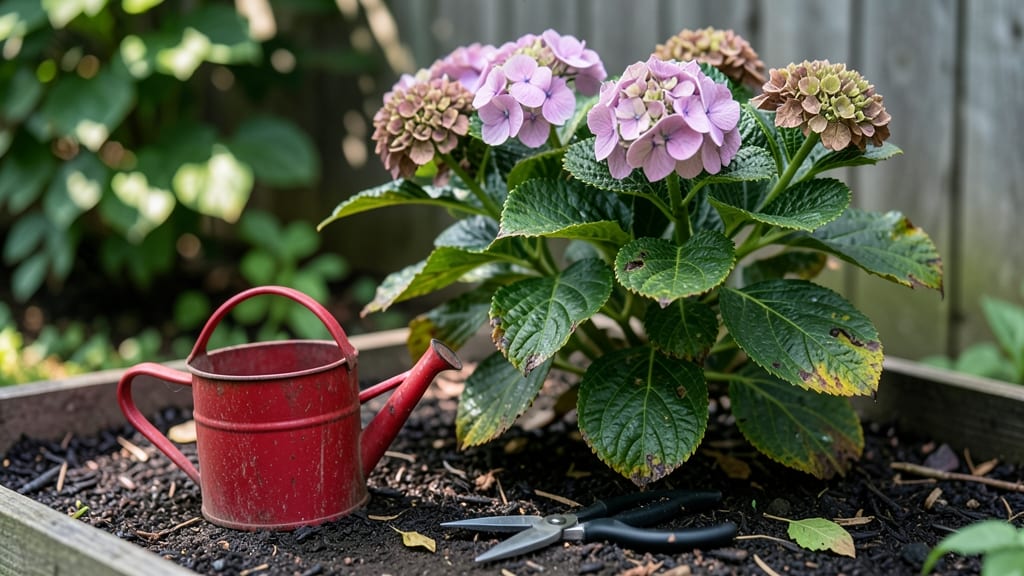
Hydrangea blooms turning brown can ruin your garden’s showstopper moment—until you know the quick fixes. 🌿 I’ve nursed back dozens of drooping heads by tackling the real culprits: overwatering, nutrient gaps, or hidden pests. The good news? Most fixes take less than an hour and start working within days.
First, check the soil—it’s either too soggy or starved for nutrients. Brown blooms often mean roots are drowning or craving phosphorus and potassium. A simple soil test or a balanced fertilizer boost can revive color in 2-3 weeks. And yes, even your black thumb can fix this.
You’ll see those blooms plumping up again with deep green stems and vibrant petals. The secret is matching care to the season: less water in summer, more in winter for some varieties. A quick pruning of dead heads keeps the plant focused on new growth.
If the problem persists after 2 weeks of adjustments, pests like spider mites or fungal issues might be lurking. That’s when a closer look—and maybe a call to your local nursery—saves the day. Trust me, your hydrangeas will thank you.
Root Causes Behind Dull Blooms
When your hydrangea blooms start turning brown, it’s rarely a mystery—just a mix of environmental stressors, cultural missteps, or even hidden plant health issues. Understanding the why behind the discoloration is the first step to restoring those vibrant blooms.
Below, we break down the most common culprits, backed by science and actionable insights.
Hydrangeas thrive in partial shade, and when exposed to intense midday sun, their petals can crisp, brown, and dry out—especially in hot, dry climates. This isn’t just wilting; it’s sun scorch, where direct UV rays and high temperatures cause cellular damage.
Why it happens:
- Photosynthesis overload: Too much sunlight overwhelms the plant’s ability to process energy, leading to oxidative stress and browning.
- Water loss acceleration: Hot air increases transpiration (water evaporation), dehydrating petals faster than roots can replenish moisture.
- pH sensitivity: In alkaline soils, hydrangeas struggle to absorb iron and magnesium—nutrients critical for chlorophyll production. Without them, blooms lose their lush green backing and turn brittle.
💡 Pro Tip: If your hydrangea is in a sunny spot, provide afternoon shade (e.g., with a sheer curtain or nearby trees). Mulch heavily to retain soil moisture, and water deeply in the morning to reduce evaporation.
Brown, mushy blooms or stems? You might be drowning your hydrangea. While these plants love moisture, soggy roots suffocate them, leading to fungal infections (like Phytophthora) or root rot. Poor drainage exacerbates the problem by trapping excess water at the roots.
Why it happens:
- Oxygen deprivation: Waterlogged soil displaces oxygen, forcing roots to switch to anaerobic respiration—an inefficient process that weakens the plant and causes nutrient uptake failures.
- Fungal invasion: Stagnant water creates the perfect breeding ground for pathogens like Botrytis (gray mold), which thrives in humid, oxygen-poor conditions.
- Nutrient leaching: Overwatering flushes essential minerals (like potassium and calcium) out of the root zone, leaving blooms starved and prone to browning.
🔥 Action Step: Check your soil’s drainage by digging a 6-inch hole, filling it with water, and timing how long it takes to drain. If it’s slower than 4–6 hours, amend with perlite or compost to improve aeration. Never let hydrangeas sit in saucers of standing water.
Brown, slimy spots on blooms or stems? That’s a red flag for pathogenic invaders. Fungi like Septoria leaf spot or bacteria such as Erwinia (which causes bacterial blight) can turn hydrangea petals into a sad, crunchy mess.
Why it happens:
| Pathogen | How It Attacks | Tell-Tale Signs |
|---|---|---|
| Botrytis cinerea (Gray Mold) | Spores thrive in humid, stagnant air, germinating on wet petals and blocking nutrient flow. | Brown, fuzzy patches that spread rapidly; often starts at bloom centers. |
| Septoria (Leaf Spot) | Fungal spores splash onto leaves/blooms from soil or water, clogging stomata (plant pores). | Small, circular brown spots with gray centers; often appears after rain. |
| Erwinia (Bacterial Blight) | Bacteria enter through wounds (e.g., pruning cuts) or nectar-feeding insects, multiplying in moist conditions. | Water-soaked brown lesions that ooze; stems may blacken and wilt. |
🎯 Prevention: Space plants for airflow, avoid overhead watering (use drip irrigation instead), and remove infected blooms immediately. For severe cases, apply a copper fungicide (like Copper Soap) at the first sign of spots.
Brown edges on hydrangea blooms can signal a hidden hunger. While these plants are hardy, they’re sensitive to imbalances in macronutrients (nitrogen, phosphorus, potassium) and micronutrients (iron, magnesium).
Why it happens:
- Magnesium deficiency (Brown edges): Magnesium is central to chlorophyll production. In alkaline soils, it binds to calcium and becomes unavailable, causing interveinal browning.
- Potassium deficiency (Weak stems/blooms): Potassium regulates water and nutrient transport. Without it, cells can’t maintain turgor pressure, leading to floppy, brown stems.
- Iron chlorosis (Yellowing + browning): In alkaline soils (pH >7.0), iron oxidizes into an unusable form, starving leaves and blooms of this critical nutrient.
🌡️ Soil Test First: Use a home test kit to check pH. If it’s above 7.0, amend with chelated iron or sulfur to lower pH gradually. For deficiencies, use a balanced fertilizer (like 10-10-10) in early spring, followed by a potassium-rich boost (like 0-0-50) before blooming.
Frostbite isn’t just for skin—it can freeze hydrangea buds before they open, leaving behind brown, crispy husks. Even if the plant survives, the damage disrupts flower formation for the season.
Why it happens:
- Cell rupture: Ice crystals form in plant tissues, piercing cell walls and causing irreversible damage to bud meristems (growth centers).
- Delayed dormancy: Hydrangeas need a period of cold to break dormancy. If winter is unusually warm followed by a late freeze, buds may "wake up" too early and get fried.
- Moisture + cold = worse damage: Wet buds conduct cold better, accelerating freezing. This is why hydrangeas in shaded, humid areas are more vulnerable.
⏰ Prevention: Mulch heavily (4–6 inches of straw or shredded leaves) before the first frost. In zones with late frosts, cover young buds with frost cloth on chilly nights. Choose late-blooming varieties (like Hydrangea paniculata) if your area has unreliable springs.
Revive your hydrangeas fast
Now that you know the likely culprits behind those hydrangea blooms turning brown, let’s tackle the fixes—step by step. Whether your plants are suffering from drought, pests, or environmental stress, these solutions will help restore their vibrant color and health.
If your hydrangeas are drowning in soggy soil, their blooms will turn brown and mushy as roots suffocate. Here’s how to correct it:
🔧 Step 1: Check the Soil Gently dig around the base of the plant (about 2 inches deep). If the soil feels damp or smells like wet socks, you’re overwatering. Hydrangeas prefer moist but well-draining soil—never soggy.
🌱 Step 2: Improve Drainage
- Mix in compost or perlite (1 part to 3 parts soil) to aerate heavy clay soil.
- If planted in a container, ensure it has drainage holes and use a potting mix designed for acid-loving plants.
- Elevate the pot slightly with gravel or bricks to prevent water pooling.
💡 Pro Tip: Water deeply but only when the top 1–2 inches of soil are dry. Stick your finger in—if it’s wet, wait a day or two.
Too much direct sun (especially in hot climates) can scorch hydrangea blooms, turning them brown and crispy.
🌿 Step 1: Provide Afternoon Shade
- Move potted hydrangeas to a shadier spot (like under a tree or patio umbrella) during peak sun hours (11 AM–4 PM).
- If planted in the ground, consider installing a shade cloth (30–50% coverage) for temporary relief.
💧 Step 2: Boost Hydration
- Water deeply in the morning to help roots absorb moisture before the heat sets in.
- Mulch around the base with 2–3 inches of organic mulch (like wood chips) to retain moisture and cool roots.
🎯 Prevention Tip: Choose shade-tolerant hydrangea varieties (like ‘Endless Summer’ or ‘Nikko Blue’) if you’re in a hot, sunny area.
Aphids, spider mites, or fungal infections (like powdery mildew) can cause brown, crunchy, or spotted blooms.
🐜 Step 1: Inspect for Pests
- Look for tiny bugs, webbing, or sticky residue (honeydew) on stems and leaves.
- Check the undersides of leaves—aphids love to hide there!
🧼 Step 2: Treat Infestations
- For soft-bodied pests (aphids, mites):
- Spray with neem oil (mix 1 tbsp neem oil + 1 tsp mild soap + 1 quart water). Reapply every 5–7 days.
- Blast off pests with a strong stream of water from a hose.
- For fungal issues (like powdery mildew):
- Apply baking soda spray (1 tsp baking soda + 1 quart water + a few drops of soap).
- Prune infected stems and dispose of them in the trash (not compost).
🌡️ Prevention Tip: Space plants for good airflow (18–24 inches apart) to reduce humidity-related fungal growth.
If your hydrangeas are older or hit by late spring frosts, blooms may brown prematurely.
✂️ Step 1: Prune Strategically
- For mature blooms (last year’s growth):
- Cut back brown stems to the first set of healthy buds in early spring (before new growth starts).
- For frost-damaged blooms:
- Wait until after the last frost to prune—new growth is more resilient.
✨ Pro Tip: Fertilize in early spring with a balanced, acid-loving plant food (like 10-10-10) to encourage fresh, vibrant blooms.
Brown, weak blooms can signal a lack of iron, magnesium, or phosphorus.
📊 Step 1: Test Your Soil
- Use a soil test kit (available at garden centers) to check pH and nutrient levels.
- Hydrangeas thrive in acidic soil (pH 5.2–6.0)—if yours is alkaline, amend with sulfur or peat moss.
🍎 Step 2: Feed for Color
- For blue blooms: Use aluminum sulfate (follow package instructions) to acidify soil.
- For pink/red blooms: Add garden lime (sparingly) to raise pH slightly.
- For overall health: Apply a slow-release fertilizer (like 12-4-8) in early spring and mid-summer.
💡 Prevention Tip: Top-dress with compost annually to maintain soil fertility naturally.
Final Thought: Most hydrangea brown bloom issues are fixable with a little TLC! Monitor your plants regularly, adjust care as needed, and soon you’ll be back to admiring those lush, colorful blooms. 🌸
Frequently asked questions
Why are my hydrangea blooms turning brown only on the edges?
This usually signals a nutrient deficiency, often magnesium or potassium. Brown edges mean your plant can't maintain proper cell function. Test your soil pH—if it's alkaline (above 7.0), amend with chelated iron or Epsom salt (1 tablespoon per gallon of water, applied monthly). For potassium, use a banana peel tea (steep peels in water for 2 weeks) or a balanced fertilizer.
Can I still save my hydrangeas if the brown blooms are mushy and smelly?
That's a sign of root rot or bacterial infection, and unfortunately, severely affected blooms won't recover. However, you can save the plant by pruning all infected stems down to healthy growth and improving drainage. Repot if in a container, or amend the soil with perlite and compost. For bacterial issues, apply copper fungicide immediately to prevent spread.
Will pruning my brown hydrangea blooms encourage new growth?
Prune dead or brown blooms back to the first set of healthy leaves or buds. This removes energy drains and redirects nutrients to fresh growth. For mophead varieties, prune in late winter/early spring before new shoots appear. For panicle types, you can prune lightly after flowering. Always use sterilized shears to prevent disease spread.
How quickly should I expect to see improvement after fixing the problem?
With proper care, you should see new green growth within 2-3 weeks. Existing brown blooms won't reverse, but fresh ones should emerge vibrant and healthy. For nutrient deficiencies, results appear in 4-6 weeks with consistent feeding. Pests may take 1-2 weeks to fully clear with treatments like neem oil. Monitor closely and adjust care as needed!
Are some hydrangea varieties more prone to brown blooms than others?
Yes! Bigleaf hydrangeas (like 'Endless Summer') are particularly sensitive to soil pH changes and nutrient imbalances. Panicle types (like 'Limelight') handle sun better but may brown if underwatered. Oakleaf hydrangeas tolerate more shade but can struggle with late frosts. Choose varieties matched to your climate—coastal areas thrive with Nikko Blue, while hot inland spots do better with Little Lime.