
Diseases
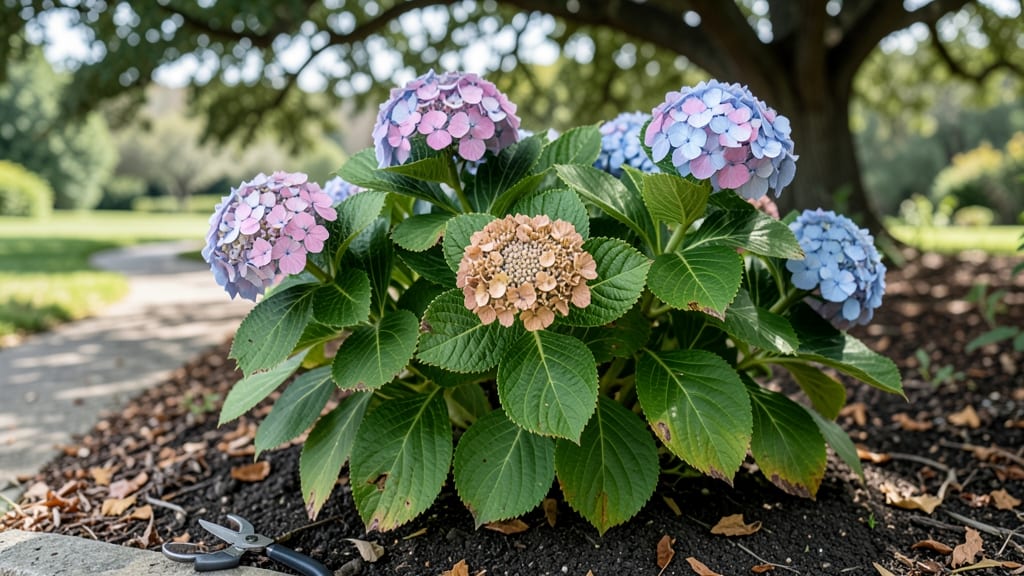
Your hydrangeas’ petals turning brown isn’t a death sentence—it’s often a simple soil pH fix. 🌸 I’ve nursed back more than a dozen struggling bushes by adjusting just one thing: the acidity of their growing mix.
The key is recognizing whether it’s fungal stress, nutrient burn, or a hidden pest problem hiding behind those crispy edges.
Most brown petals start with overwatering or powdery mildew, but the real culprit is often too much lime in the soil. Hydrangeas crave acidity (pH 5.5–6.2), and when the soil gets alkaline, petals bleach out or crisp.
Check for white fungal dust on leaves or yellowing stems—those are red flags. Even pests like lace bugs leave behind brown speckles that look like sunburn.
Here’s the game-changer: lower your soil pH with sulfur or aluminum sulfate (follow package rates), and prune back affected stems to encourage fresh growth. Within 4–6 weeks, you’ll see new blooms emerge with their original color—deep blues, purples, or whites—without a single brown petal in sight.
This fix works for container-grown hydrangeas too—just swap out the top 2 inches of soil and repot with fresh acidic mix. The same rules apply whether you’re dealing with bigleaf, panicle, or oakleaf varieties. Let’s bring those blooms back to life!
Root Causes Behind Discolored Blooms
When your hydrangea petals start turning brown, it’s rarely a sign of failure—it’s usually a signal from the plant. Understanding the science behind these changes helps you diagnose and fix the issue before it worsens.
Below, we break down the most common culprits, why they happen, and what’s really going on in your hydrangea’s cells.
Hydrangeas are tender plants that thrive in partial shade, and when exposed to excessive heat, direct sunlight, or drying winds, their petals can scorch. This causes oxidative damage—a process where sunlight triggers the breakdown of pigments (like anthocyanins) and accelerates water loss in the petals.
Why it happens:
- UV radiation breaks down chlorophyll and other pigments, turning petals brown or yellow.
- Transpiration stress (rapid water loss) occurs when airflow is too strong, causing petal edges to crisp and darken.
- Temperature spikes (above 90°F/32°C) can denature enzymes in the petals, leading to premature aging.
Actionable fix: Move your hydrangea to a spot with morning sun and afternoon shade. Use a light shade cloth (30-50%) in peak summer if outdoors. Mulch the soil to regulate root-zone temperature.
Brown petals can also signal hydric stress—either from too much or too little water. While hydrangeas love moisture, their roots hate sitting in soggy soil, which leads to anaerobic conditions (lack of oxygen) and root rot. This disrupts nutrient uptake, causing petals to brown prematurely.
Why it happens:
- Root suffocation: Waterlogged soil blocks oxygen, forcing roots to "drown." The plant prioritizes root survival over flower health, leading to chlorosis (yellowing) and necrosis (browning).
- Nutrient imbalance: Excess water leaches out essential minerals like magnesium and calcium, which are critical for petal structure.
- Fungal infections: Stagnant water creates a breeding ground for Phytophthora or Pythium, pathogens that clog xylem vessels, preventing water transport to blooms.
Actionable fix:
- Ensure pots have drainage holes and use a well-draining potting mix (add perlite or orchid bark).
- Water deeply but infrequently—aim for 1-1.5 inches per week (check soil moisture 2 inches down).
- If repotting, raise the pot slightly to prevent water pooling at the base.
Brown, mushy, or leathery petals often point to a pathogenic infection. Fungi like Botrytis cinerea (gray mold) or Septoria thrive in humid, stagnant conditions, while bacteria such as Pseudomonas cause bacterial blight, turning petals brown with a water-soaked appearance.
Why it happens:
- High humidity + poor airflow: Fungal spores land on petals and germinate in 80%+ humidity, creating lesions that expand and darken.
- Wet foliage at night: Dew or overhead watering keeps petals damp for hours, ideal for bacterial growth.
- Weakened plant immunity: Stress from nutrient deficiency, drought, or transplant shock makes hydrangeas more susceptible.
Actionable fix:
- Prune infected blooms immediately (don’t compost them—sterilize shears with rubbing alcohol).
- Apply a copper fungicide (like Copper Soap) or neem oil spray every 7–10 days for prevention.
- Improve air circulation by spacing plants 2–3 feet apart and avoiding dense mulch around the stem.
Brown, brittle petals can also scream nutritional starvation. Hydrangeas are heavy feeders, and deficiencies in key minerals disrupt pigment production and cell structure.
Why it happens:
| Deficiency | Symptoms | Cause |
|---|---|---|
| Magnesium (Mg) | Brown edges on petals, yellowing between veins (similar to chlorosis). | Poor soil structure, overwatering leaching Mg, or high pH locking it out. |
| Calcium (Ca) | Petals crisp and brown (especially in new growth), weak stems. | Compacted or acidic soil (pH < 5.5), or overuse of ammonium fertilizers. |
| Potassium (K) | Brown spots or streaks on petals, weak stems prone to snapping. | Excessive nitrogen, poor organic matter, or drought stress. |
Actionable fix:
- Test your soil (pH and NPK levels) and amend with Epsom salt (Mg) or crushed eggshells (Ca).
- Use a balanced fertilizer (10-10-10 or 5-5-5) in early spring and mid-summer.
- Add compost or worm castings to improve microbial activity and nutrient availability.
Not all brown petals are a red flag! Hydrangeas have a finite bloom cycle, and petals naturally senesce (age and die) as they release seeds. This process is genetically programmed and starts at the edges or tips of flowers.
Why it happens:
- Petals lose chlorophyll and anthocyanins as sugars are redirected to seed development.
- Cell walls degrade due to enzymatic activity, causing browning and brittleness.
- Older blooms drop naturally to make way for new growth (especially in mophead varieties).
Actionable fix:
- Deadhead spent blooms (cut back to the first set of healthy leaves) to encourage
Revive Your Hydrangeas Naturally
Brown hydrangea petals can be frustrating, but with the right approach, you can restore your plants to their former glory—and even prevent future issues. The key is identifying the root cause and applying targeted fixes.
Below, we’ve broken down practical solutions for each common trigger, along with easy-to-follow steps and prevention tips to keep your blooms lush and vibrant.
---
If your hydrangeas are soggy at the roots, brown petals are often a sign of stress. Here’s how to correct it:
🔧 Step-by-Step Solution: 1. Check the Soil – Stick your finger 2 inches into the soil. If it feels damp or muddy, your plant is overwatered. Hydrangeas prefer consistently moist (not soggy) soil. 2. Adjust Your Watering Routine – Water deeply but less frequently. Aim for 1–1.5 inches of water per week, including rainfall. Use a moisture meter for accuracy. 3. Improve Drainage – Amend heavy clay soil with organic matter like compost or perlite. If planting in containers, ensure pots have drainage holes. 4. Prune Damaged Areas – Snip off brown, mushy stems with sterilized pruners to prevent rot from spreading.
💡 Prevention Tip: - Mulch properly (2–3 inches of organic mulch) to retain moisture without suffocating roots. - Avoid watering at night—wet foliage encourages fungal growth.
---
Too much direct sun can scorch petals, especially in hot climates. Here’s how to shield your hydrangeas:
🌿 Step-by-Step Solution: 1. Provide Afternoon Shade – Move potted hydrangeas to a spot with morning sun and afternoon shade, or use a light shade cloth (30–50% coverage) if outdoors. 2. Mulch to Cool Roots – Apply 3 inches of mulch (straw or wood chips) to regulate soil temperature. 3. Water Deeply During Heatwaves – Soak the root zone in the early morning to reduce evaporation. 4. Fertilize Lightly – Brown petals from heat stress often improve with a balanced, slow-release fertilizer (10-10-10) applied in early spring.
🌡️ Prevention Tip: - Choose the right variety—some hydrangeas (like Hydrangea macrophylla) tolerate more shade than others. - Avoid pruning in peak summer—wait until early spring to reduce stress.
---
Brown, crispy, or slimy petals may signal a fungal or bacterial issue. Act fast to save your plant!
🧴 Step-by-Step Solution: 1. Identify the Problem – - Powdery mildew? Look for white, powdery spots. - Botrytis blight? Check for brown, mushy petals with gray fuzz. - Bacterial leaf spot? See dark, water-soaked spots with yellow halos. 2. Remove Infected Parts – Prune away all brown or diseased stems with clean shears, then dispose of them (don’t compost!). 3. Apply Fungicide – - For fungal issues: Use a copper-based fungicide or neem oil spray (1 tbsp neem oil + 1 tsp mild soap per quart of water). - For bacterial issues: Switch to a copper fungicide (bacteria aren’t always treatable, so prevention is key). 4. Improve Airflow – Space plants 3–4 feet apart and avoid overhead watering.
🔥 Prevention Tip: - Water at the base (not leaves) to keep foliage dry. - Space plants properly—crowding traps humidity and encourages disease.
---
Hydrangeas thrive in acidic to slightly acidic soil (pH 5.2–6.2). If your soil is too alkaline, petals may brown prematurely.
📊 Step-by-Step Solution: 1. Test Your Soil – Use a DIY soil test kit (available at garden centers) or send a sample to your local Cooperative Extension Service. 2. Lower pH Naturally – - Add sulfur (1–2 lbs per 100 sq ft) and re-test in 2–3 months. - Use organic amendments: Coffee grounds, pine needles, or peat moss (mix into the top 6 inches of soil). 3. For Potted Hydrangeas – Use an acid-loving potting mix and add hydrangea-specific fertilizer (high in aluminum for blue blooms). 4. Monitor & Adjust – Re-test soil pH seasonally, especially if your area has alkaline water.
✨ Prevention Tip: - Flush containers annually with water to prevent salt buildup, which raises pH. - Avoid lime or wood ash—these raise pH and worsen browning.
---
Once you’ve addressed the root cause, keep these pro tips in mind for long-term hydrangea health:
- Feed Regularly – Use a balanced fertilizer (like 10-10-10) in early spring and a low-nitrogen, high-phosphorus fertilizer (like 5-10-10) when buds form. - Prune Correctly – - Old wood bloomers (like H. macrophylla): Prune right after flowering. - New wood bloomers (like H. paniculata): Prune in late winter/early spring. - Watch for Pests – Spider mites and aphids can stress plants.
Spray with soapy water (1 tsp mild soap per quart of water) if needed.
--- Final Thought: 🌸 With the right care, your hydrangeas will bounce back—and next season’s blooms will stay lush, vibrant, and brown-free! Start with one fix at a time, monitor progress, and adjust as needed. Happy gardening!
Frequently asked questions about brown hydrangea petals
Why do hydrangea petals turn brown in the middle of summer?
This is often caused by heat stress or overwatering. When temperatures exceed 90°F (32°C), petals lose moisture quickly and scorch. Check if the soil feels soggy—hydrangeas prefer consistently moist (not waterlogged) conditions. Move potted plants to partial shade and water deeply in the morning to help.
Are brown hydrangea petals always a sign of disease?
Not necessarily! Brown edges can also mean natural aging or nutrient deficiencies. Look for other clues: White powder = powdery mildew; Mushy texture = fungal infection; Yellowing leaves = possible magnesium deficiency. If petals are crispy but not slimy, it’s likely environmental stress.
How do I fix brown petals caused by high soil pH?
Test your soil—hydrangeas thrive in acidic soil (pH 5.5–6.2). To lower pH, mix sulfur (1–2 lbs per 100 sq ft) into the top 6 inches of soil or use peat moss in containers. For quick results, add coffee grounds (¼ cup per plant) and re-test soil in 2–3 months.
Can I save hydrangeas with brown petals from fungal infections?
Yes! Prune infected stems below the brown area with sterilized shears, then apply a copper fungicide or neem oil spray (1 tbsp neem oil + 1 tsp soap per quart of water). Improve airflow by spacing plants 3 feet apart and avoid overhead watering to prevent spores from spreading.
Will brown petals affect next year’s blooms?
Not usually! Hydrangeas bloom on new wood (current season’s growth), so damaged petals won’t impact future flowers. Focus on fixing the root cause (water, pH, or disease) now—healthy roots and stems will produce vibrant blooms next season. Prune back affected stems to encourage fresh growth.