
Pests and Diseases
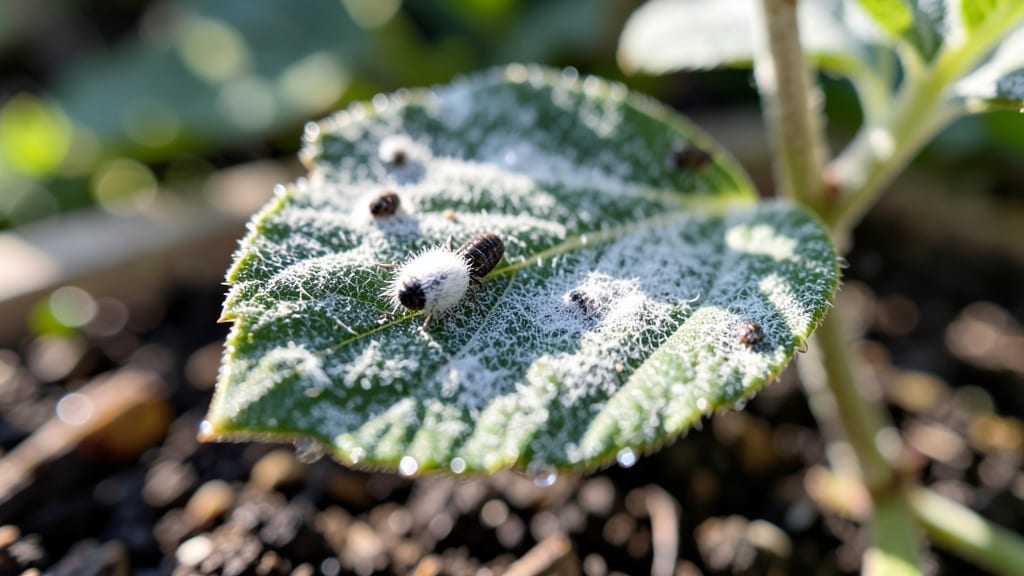
Hydrangea bugs and diseases turn vibrant blooms into sad, spotted messes—until you know the early warning signs. 🌿 I’ve watched lace bugs turn lush foliage yellow and powdery mildew smother buds before they open, but these problems have solutions that actually work.
The key is catching issues early: check undersides of leaves for tiny lace bugs or white powder on stems. Most problems start with poor air circulation, overwatering, or stressed plants. Once you spot the signs, organic sprays like neem oil or insecticidal soap can save your hydrangeas without harsh chemicals.
With the right care, your plants will rebound with bigger, healthier blooms by summer. The secret is consistent monitoring and quick action—no more wilting disappointment. Works for backyard shrubs, container plants, and even cuttings. Let’s get those hydrangeas thriving again!
Hidden Triggers Behind Hydrangea Struggles
Hydrangeas are the stars of summer gardens, but their lush blooms can quickly fade under the right conditions. Whether it’s pests feasting on leaves or diseases creeping in, these issues rarely happen in a vacuum.
Understanding the why behind hydrangea problems is the first step to stopping them before they start. Let’s break down the science—and the sneaky factors—that turn your hydrangeas into a buffet for bugs and a breeding ground for blights.
Hydrangeas thrive in specific conditions, and when those conditions shift—even slightly—they become vulnerable. Here’s how weather plays a role:
- Humidity and Rain:
Hydrangeas love moisture, but too much of it creates the perfect storm for fungal diseases like powdery mildew or leaf spot. Excessive humidity slows leaf drying, trapping spores and bacteria on surfaces. Botrytis blight, for example, thrives in damp, shaded conditions, causing brown, mushy stems and flowers.
- Actionable Insight: Space plants for airflow and avoid overhead watering. If rain is frequent, opt for hydrangea varieties resistant to powdery mildew, like Hydrangea macrophylla ‘Nikko Blue’.
- Temperature Swings:
Sudden cold snaps or heatwaves shock hydrangeas, weakening their natural defenses. Pests like aphids and scale insects detect stressed plants and move in en masse. Cold damage also makes stems brittle, inviting fungal entry points.
- Actionable Insight: Mulch heavily in fall/winter to insulate roots. In hot climates, provide afternoon shade to prevent heat stress.
- Poor Drainage:
Soggy soil isn’t just a root killer—it’s an open invitation for root rot (caused by Phytophthora fungi) and pests like slugs. Waterlogged conditions also attract earwigs, which chew on buds and leaves.
- Actionable Insight: Amend clay soil with compost or sand. Plant hydrangeas on mounds or in raised beds to improve drainage.
Hydrangeas are finicky about their soil—too much of the wrong thing, and they’ll signal distress in the form of pests or diseases. Here’s the breakdown:
| Problem | Cause | Pest/Disease Link |
|---|---|---|
| Overly acidic soil (pH < 5.0) | Excessive pine mulch, peat moss, or unamended native soil. | Weakens plant immunity, making it susceptible to root rot and attracting fungus gnats (whose larvae feed on decaying organic matter). |
| Nitrogen deficiency | Poor soil or over-pruning without fertilization. | Stunted growth attracts aphids, which thrive on tender new shoots. Yellowing leaves also invite spider mites. |
| Compacted or nutrient-poor soil | Heavy foot traffic, lack of organic matter. | Stressed roots become entry points for nematodes (microscopic worms) and crown gall bacteria. |
Actionable Insight: Test soil pH (ideal range: 5.5–6.2 for most hydrangeas). Add compost or well-rotted manure annually. For acid-loving varieties, use sulfur or elemental sulfur to adjust pH.
Pests don’t attack healthy hydrangeas—they target the weak. Understanding their life cycles helps you stay one step ahead:
- Overwintering Pests:
Many hydrangea pests, like lace bugs and scale insects, hide in bark or leaf litter over winter. When spring arrives, they emerge and feed on new growth, which is soft and nutrient-rich.
- Actionable Insight: Prune and remove debris in late fall. Apply dormant oil in early spring to smother overwintering eggs.
- Chemical Cues:
Hydrangeas release volatile organic compounds (VOCs) when stressed (e.g., drought, disease). These chemicals act like dinner bells for pests like Japanese beetles, which are drawn to the scent of struggling plants.
- Actionable Insight: Monitor plants for early signs of stress (wilting, yellowing). Use neem oil or kaolin clay as a deterrent before pests arrive.
- Disease Vectors:
Some pests, like aphids and whiteflies, don’t just eat hydrangeas—they spread viruses (e.g., hydrangea mosaic virus) and fungal spores on their bodies as they move between plants.
- Actionable Insight: Isolate new plants for 2–3 weeks. Use insecticidal soap to control populations before they spread diseases.
Even well-meaning gardening habits can invite problems. Here’s how common mistakes create opportunities for pests and diseases:
- Over-Fertilizing:
Excess nitrogen promotes lush, tender growth that aphids and spider mites adore. Over-fertilization also burns roots, making plants more susceptible to root rot.
- Actionable Insight: Follow a slow-release fertilizer schedule (e.g., once in early spring, once mid-summer). Use a balanced formula (e.g., 10-10-10).
- Improper Pruning:
Cutting at the wrong time (e.g., late summer/fall) removes next year’s flower buds. Worse, jagged cuts create entry points for bacterial infections like crown gall.
- Actionable Insight: Prune mophead and lace cap hydrangeas in early spring (before new growth). Use sterilized shears and seal cuts with pruning sealant.
- Ignoring Mulch Depth:
Too much mulch (over 3 inches) suffocates roots and traps moisture, while too little leaves roots exposed to temperature swings. Both scenarios stress plants, making them prime targets for slugs and earwigs.
- Actionable Insight: Maintain a 2–3 inch mulch layer, keeping it 6 inches away from the
Quick Fixes for Hydrangea Troubles
Revitalizing your hydrangeas starts with pinpointing the exact issue—whether it’s pesky bugs, fungal infections, or environmental stress. Below, we’ve mapped out practical, step-by-step solutions for common problems, along with prevention tips to keep your plants thriving. No green thumb required—just follow the fixes tailored to your hydrangea’s specific ailment!
🔥 Aphids & Spider Mites: Sucking the Life Out
Signs: Sticky residue (honeydew), curled leaves, tiny webs. Fix:
- Blast them off 💦: Spray plants with a strong stream of water (early morning) to dislodge aphids.
- Neem oil spray 🌿: Mix 1 tsp neem oil + 1 tsp mild soap + 1 quart water.
Spray undersides of leaves every 5–7 days. - Introduce predators 🐞: Ladybugs and lacewings love munching on these pests—buy them online or attract them with companion plants like marigolds.
Prevention: ✅ Inspect new plants before bringing them home (quarantine for 2 weeks). ✅ Encourage beneficial insects by planting dill, fennel, or yarrow nearby.
🍳 Hydrangea Sawfly Larvae: Chewing Chaos
Signs: Ragged leaves, skeletonized foliage, green caterpillar-like larvae. Fix:
- Handpick larvae 👨🍳: Drop them into soapy water (gross but effective!).
- Bacillus thuringiensis (Bt) 🔪: A natural bacteria spray that targets caterpillars—safe for humans and pets.
- Prune heavily damaged leaves ⏰: Remove and destroy infested foliage immediately to stop the spread.
Prevention: ✅ Apply Bt spray preventatively in early spring before larvae appear. ✅ Keep your garden tidy—remove fallen leaves where larvae pupate.
🐝 Scale Insects: Sticky Stowaways
Signs: White/brown bumps on stems, black sooty mold (fungus growing on honeydew). Fix:
- Scrape them off 🧼: Use a soft toothbrush dipped in rubbing alcohol (70% isopropyl) to wipe off scales.
- Horticultural oil 🌡️: Apply in late winter/early spring (when temps are above 40°F) to smother eggs and adults.
- Prune infested stems 🔪: Cut back severely affected branches and dispose of them in sealed bags.
Prevention: ✅ Space plants properly for airflow—scale thrives in crowded, humid conditions. ✅ Monitor regularly—catch them early before they multiply!
💡 Powdery Mildew: White Dust on Leaves
Signs: White powdery coating (like flour), stunted growth. Fix: - Baking soda spray ✨: Mix 1 tsp baking soda + 1 quart water + a drop of dish soap.
Spray under leaves weekly. - Sulfur or neem oil 🌿: Apply every 7–10 days until cleared (follow label instructions). - Improve airflow 🌬️: Thin out overcrowded plants and avoid overhead watering.
Prevention: ✅ Water at the base (not leaves) to keep foliage dry. ✅ Choose resistant varieties like ‘Endless Summer’ hydrangeas.
🍅 Leaf Spot & Blight: Brown Spots of Doom
Signs: Dark spots with yellow halos, wilting, defoliation. Fix:
- Copper fungicide 🛡️: Spray at first sign of spots (follow package rates).
- Remove infected leaves 🗑️: Prune and destroy affected foliage don’t compost it!
- Fungicidal soap 🧼: Use every 10–14 days for prevention.
Prevention: ✅ Avoid overhead watering—use drip irrigation or soaker hoses. ✅ Rotate fungicides if problems persist (don’t use the same one repeatedly).
🔥 Wilting or Yellowing Leaves: Too Much or Too Little Water?
Fix:
- Check soil moisture 💧: Stick your finger 1 inch deep—if dry, water deeply; if soggy, let it dry out.
- Mulch properly 🌿: Apply 2–3 inches of mulch (wood chips or pine straw) to retain moisture and regulate temps.
- Adjust watering ⏰: Water early morning (6–9 AM) to reduce evaporation and fungal risk.
Prevention: ✅ Group hydrangeas with thirsty plants (like asters or impatiens) for consistent moisture. ✅ Avoid plastic pots—they overheat roots in summer.
❄️ Winter Damage: Brown Stems & Dormant Woes
Fix:
- Prune dead stems 🔪: Cut back 1/3 of the plant in early spring to encourage new growth.
- Protect roots ❄️: Pile mulch (4–6 inches) around the base after the ground freezes.
- Avoid late-season fertilizing 🚫: Stop feeding by mid-summer to harden off plants for winter.
Prevention: ✅ Choose cold-hardy varieties like ‘Annabelle’ or ‘Limelight’ for your zone. ✅ Wrap young plants in burlap if your winters dip below 0°F.
🎯 Pro Tip: Rotate treatments—don’t rely on one solution! Mix up neem oil, insecticidal soap, and manual removal for bugs, and baking soda, copper, and fungicidal soap for diseases. Consistency is key!
💡 Remember: The best cure is prevention—healthy hydrangeas start with proper spacing, clean tools, and smart watering. Once you spot a problem, act fast before it spreads! 🚀
Frequently asked questions about hydrangea bugs and diseases
What are the most common hydrangea pests I should watch for?
Look for lace bugs (tiny, lace-winged insects), aphids (green/black clusters), scale insects (brown bumps on stems), and hydrangea sawfly larvae (green caterpillar-like chewers). These pests thrive in crowded, stressed plants—check leaf undersides regularly for early signs.
How do I tell if my hydrangea has powdery mildew vs. leaf spot?
Powdery mildew appears as a white, flour-like dust on leaves, while leaf spot shows as dark brown/yellow spots with defined edges. Mildew thrives in humid conditions, while leaf spot often follows overhead watering. Test with a damp paper towel—mildew wipes off easily; spots don't.
Can I use the same treatment for both bugs and fungal diseases?
No—never mix fungicides with pesticides on the same day. Fungicides (like copper or baking soda) target diseases, while pesticides (neem oil or insecticidal soap) control pests. Always apply them separately with a 24-hour gap between treatments to avoid plant stress.
Why do my hydrangeas get infested every year? What’s the root cause?
Repeat infestations usually stem from poor airflow, overcrowded planting, or overwatering. Pests and diseases love these conditions. Prune for spacing, water at the base, and clean up fallen leaves where pests overwinter. Start with dormant oil in early spring to smother overwintering eggs.
Is it safe to compost hydrangea leaves with fungal diseases?
No—never compost infected leaves. Fungal spores survive composting and can reinfect your plants. Bag and discard diseased foliage in the trash. For severe cases, soak leaves in a 10% bleach solution (1 part bleach to 9 parts water) for 30 minutes before disposal.