
Flowers
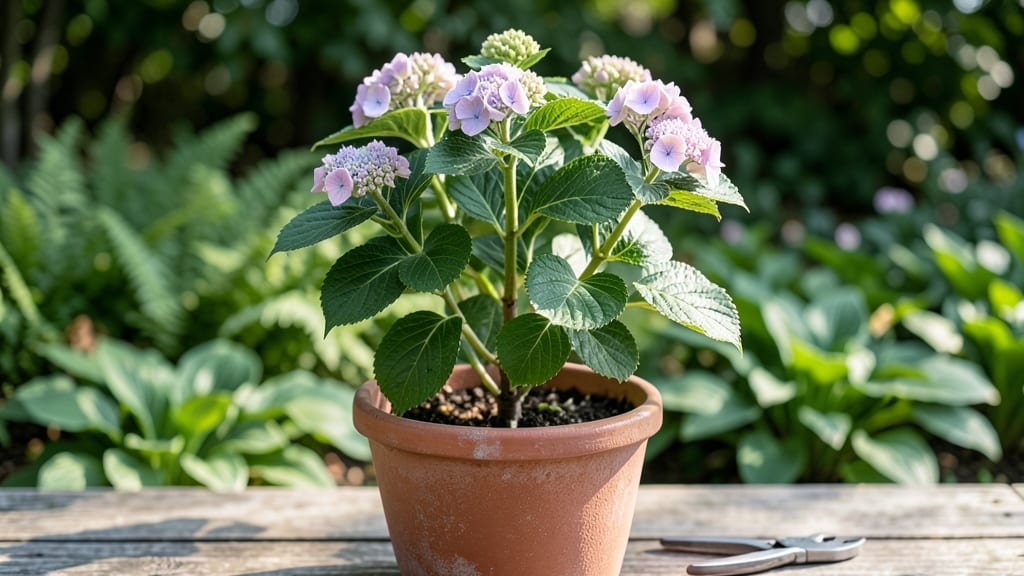
Spring transforms your hydrangea bush from a winter skeleton to a burst of color—but timing is everything. ✨ I’ve learned the hard way that pruning too early or too late can rob you of that showstopping summer bloom.
The secret lies in waiting until after the last frost when new growth starts, then shaping those canes just right for maximum impact.
Most gardeners skip the pole-training trick that makes hydrangeas stand out in any yard. A simple bamboo stake or sturdy pole lets you guide those heavy blooms upward, creating a dramatic vertical display.
Fertilize lightly with a balanced formula in early spring—too much nitrogen now means fewer flowers later—and watch those buds swell within weeks.
By late spring, you’ll see vibrant green leaves and those first flower buds forming. The key is consistent moisture—hydrangeas hate drought stress—and a light mulch to keep roots cool. With the right care, your bush will reward you with blooms that last from summer into fall, even in partial shade.
This method works for all hydrangea types, from mopheads to lacecaps, and adapts to containers or garden beds. The only real mistake? Waiting until summer to prune—then you might lose that year’s flowers entirely. Let’s get those canes growing strong!
📚 In This Guide
- What you need
- Instructions
- Tips and common mistakes
- Wrapping up and next steps
What you need
- ● Hydrangea bush: A healthy, mature hydrangea (macrophylla, paniculata, or oakleaf varieties work best). Choose one with strong stems (at least 1–2 inches in diameter).
- ● Pole or trellis: Option 1: A 6–10 ft bamboo or wooden pole (1–2 inches thick, sturdy enough to support 30+ lbs).
- ● Option 2: A metal or plastic trellis (4–6 ft tall, with horizontal slats or wires for tying stems).
- ● Soft plant ties or twine: 10–20 ft of jute, plastic-coated, or Velcro plant ties (avoid wire—it can damage stems!).
- ● Pruning shears: Bypass pruners (sharp, clean, and disinfected to prevent disease).
- ● Balanced fertilizer: A 10-10-10 or 20-20-20 NPK formula (apply sparingly—hydrangeas are sensitive to over-fertilizing!).
- ● Mulch: 2–3 inches of organic mulch (shredded bark, pine straw, or compost) to retain moisture and regulate soil temperature.
- ● Garden gloves: Heavy-duty gloves to protect your hands from thorns and rough stems.
- ● Watering can or hose: With a gentle spray nozzle (hydrangeas love consistent moisture!).
- ○ Soil pH tester: Optional but helpful! Hydrangeas thrive in acidic soil (pH 5.2–6.0) for vibrant blue blooms or neutral soil (pH 6.0–7.0) for pink.
- ○ Aluminum sulfate or lime: Optional, for adjusting soil pH if needed (follow package instructions carefully!).
- ● Stakes or small pegs: 4–6 wooden or metal stakes (6–12 inches tall) to temporarily support new growth while training.
- ● A sunny to partially shaded location with at least 4–6 hours of sunlight daily (morning sun + afternoon shade is ideal).
- ● Well-draining soil (hydrangeas hate soggy roots!). Amend clay soil with compost if needed.
- ● Patience! Pole-training takes 1–2 growing seasons to see full results, but the payoff is worth it. 🌟
Step-by-Step guide to revitalizing your hydrangea bush in spring
Here’s how to wake up your hydrangea bush for vibrant, pole-trained blooms that last all season.
🌱 Step 1: Prune Last Year’s Growth to Encourage New Blooms
Start in late winter or early spring before new growth appears. Cut back each stem to 6-8 inches tall—this removes dead wood and redirects energy to fresh, colorful blooms. I like to make clean cuts just above a set of buds or outward-facing leaves to avoid leaving stubs that invite disease.
If your hydrangea is a mophead or bigleaf type, prune right after flowering to shape it. For panicle or smooth hydrangeas, prune in early spring since they bloom on new wood. Watch for green buds signaling new growth—this is your cue to stop cutting.
💧 Step 2: Feed and Hydrate for Lush Growth
Spread a 3-inch layer of compost around the base, keeping it 3-4 inches away from the trunk to prevent rot. Water deeply until the soil is moist 12 inches down—hydrangeas love moisture but hate soggy roots. I use a soaker hose for even distribution, avoiding wetting the leaves to prevent fungal issues.
Apply a balanced, slow-release fertilizer (10-10-10) in early spring, following package rates. Too much nitrogen makes leaves overgrow at the expense of blooms. Check soil moisture weekly—hydrangeas need 1-1.5 inches of water per week, more in hot climates.
☀️ Step 3: Train and Support for Pole-Grown Blooms
Install a 5-foot bamboo stake or trellis near the bush and tie the main stems to it with soft plant ties. This keeps the plant upright and directs energy upward for pole-trained color. I like to weave the stems gently through the trellis as they grow—this prevents damage and encourages branching.
Position the trellis in morning sun with afternoon shade if you’re in a hot climate. Too much midday sun can scorch leaves, while partial shade keeps blooms vibrant. Watch for new shoots emerging along the stems—these will form your future blooms.
✂️ Step 4: Deadhead and Maintain Through the Season
Once blooms fade, cut spent flower heads back to the nearest set of leaves. This keeps the plant tidy and encourages a second flush of blooms in late summer. I deadhead in stages—removing a few heads at a time prevents overwhelming the plant and keeps it productive.
Monitor for pests like aphids or powdery mildew. Spray leaves with a neem oil solution (1 tsp per quart of water) if you spot issues. Mulch again in midsummer to retain moisture and regulate soil temperature—hydrangeas thrive when roots stay cool.
🌿 Step 5: Prepare for Winter to Ensure Next Year’s Blooms
In late fall, cut back any remaining dead or weak stems to 6 inches tall. This prevents snow damage and reduces disease risk. Wrap the base of the plant with burlap or frost cloth if your winters dip below 20°F, protecting tender roots from freeze-thaw cycles.
Water deeply before the first frost to hydrate roots for dormancy. I mark the location of each stake with a small flag so I don’t accidentally cut them back in early spring. With consistent care, your hydrangea will reward you with bold, pole-trained blooms year after year.
Tips & tricks for pole-trained hydrangea success
Transforming your hydrangea into a stunning pole-trained display takes a few key strategies—here's what I've learned after years of trial and error.
Pruning Precision: When cutting back stems to 6-8 inches in Step 1, look for the first set of outward-facing leaves or buds. These are your growth points for next season's blooms. I always make cuts at a 45-degree angle just above these buds to prevent water from pooling and causing rot. Using sharp, clean pruners is non-negotiable—dull blades crush stems and invite disease.
Soil Science Matters: The 3-inch layer of compost in Step 2 should be well-aged and free of large clumps. I often mix in a handful of worm castings for extra nutrients. For the 12-inch deep watering, I test soil moisture with a screwdriver—it should slide in easily but not feel soggy. Hydrangeas are thirsty but hate wet feet, so always water at the base rather than overhead.
Trellis Technique: When installing your 5-foot bamboo stake in Step 3, drive it at least 6 inches into the ground for stability. I use soft plant ties that can stretch as the stems grow—never wire or anything that could cut into the bark. The key is gentle weaving; don't force stems through the trellis. Think of it as creating a gentle cradle rather than a rigid structure.
Winter Protection Wisdom: For the 20°F winter protection in Step 5, I've found that wrapping the base with burlap works better than frost cloth alone. The burlap provides that extra insulation layer while still allowing some airflow. Always leave the top open—hydrangeas need to breathe during dormancy. I also add a 2-inch layer of straw mulch on top of the burlap for extra cold protection.
Pro Tips for Hydrangea Bush Spring
- Transforming your hydrangea into a stunning pole-trained display takes a few key strategies—here's what I've learned after years of trial and error.
- Pruning Precision: When cutting back stems to 6-8 inches in Step 1, look for the first set of outward-facing leaves or buds.
- Soil Science Matters: The 3-inch layer of compost in Step 2 should be well-aged and free of large clumps.
Frequently asked questions
Got questions about transforming your hydrangea bush into a stunning spring spectacle? Here are answers to the most common ones to help you grow confidently:
When is the best time to prune hydrangeas for spring blooms?
Prune bigleaf and oakleaf hydrangeas in late winter or early spring (February–March) before new growth starts. For panicle and smooth types, prune in late winter to encourage fuller blooms. Avoid pruning in fall—it removes next year’s flower buds!
How much should I cut back my hydrangea bush?
For most hydrangeas, trim 1/3 of the oldest stems to the ground to rejuvenate growth. Leave 3–5 healthy stems for blooms. If your bush is overgrown, thin out weak or crossing branches first. Pro tip: Use clean, sharp shears and make cuts at a 45-degree angle just above a leaf node.
Why aren’t my hydrangeas blooming in spring?
Common culprits include over-pruning (cutting back flower buds), poor soil pH (hydrangeas love acidic soil for blue blooms or alkaline for pink), or lack of sunlight (6+ hours/day). Check your variety—some (like panicle) bloom on new wood, while others (like mophead) need old wood buds. Adjust care accordingly!
How can I change my hydrangea flower color?
Flower color shifts with soil pH! For blue blooms, add sulfur or peat moss (aim for pH 5.5–6.0). For pink, use lime (raise pH to 6.0–7.0). Test soil in early spring and amend gradually. Note: Some varieties (like Endless Summer) naturally produce multi-colored blooms regardless of pH!
Are there low-maintenance hydrangea alternatives for spring?
Yes! Try panicle hydrangeas (like Limelight or Little Lime)—they’re drought-tolerant, bloom on new wood, and thrive in full sun. Smooth hydrangeas (e.g., Annabelle) are also hardy and deer-resistant. For year-round interest, pair hydrangeas with ornamental grasses or evergreen shrubs.
Still stumped? Drop your hydrangea woes in the comments—we’re happy to help troubleshoot!
Wrapping up and next steps
Transforming your hydrangea bush into a stunning, year-round color spectacle is easier than you think! With the right techniques—like pole training, seasonal pruning, and smart soil care—you’ll enjoy vibrant blooms from spring through winter. 🌸
Now that you’re armed with tips and tricks, take action! Start small: pick one hydrangea bush this spring, set up your support system, and watch your garden flourish. Your future blooms will thank you! 🌿
- 📅 Next step: Grab your tools and get planting!
- 💬 Need help? Share your progress or questions in the comments!