
Shrubs
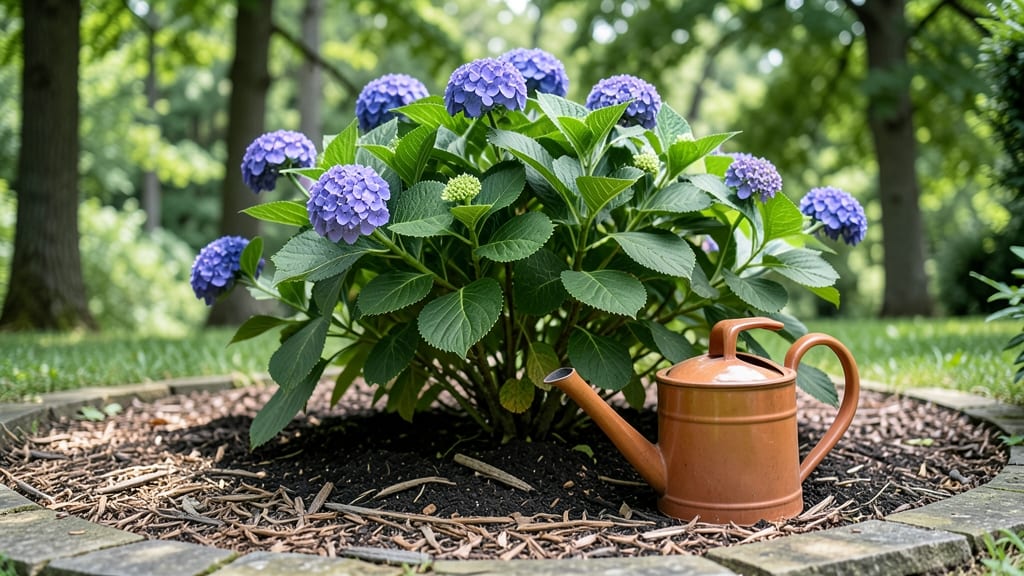
Caring for hydrangea bushes transforms your yard into a dreamy, color-drenched oasis—if you nail the basics. 🌿 I’ve learned the hard way that these beauties demand consistent moisture, the right pruning timing, and soil that’s rich but well-draining.
Skip any of these, and you’ll end up with sad, sparse blooms instead of the lush clusters you’re dreaming of.
The secret to happy hydrangeas starts with morning sun and afternoon shade—they love bright light but hate scorching afternoon rays. Water deeply twice a week (more in heatwaves), and mulch around the base to keep roots cool.
Fertilize lightly in spring with a balanced formula, and avoid heavy hands—hydrangeas reward subtlety, not excess.
Pruning is where most gardeners stumble, but it’s simple: cut back last year’s blooms in late winter (for spring bloomers) or shape lightly after flowering (for summer bloomers). Deadheading spent blooms encourages new growth, and a quick trim keeps the bush tidy.
Within a season, you’ll see fuller clusters and a bush that looks like it belongs in a magazine spread.
Even the fussiest hydrangeas respond well to these basics—whether you’ve got bigleaf, panicle, or oakleaf varieties. The key is consistency, not perfection. Start here, and you’ll be snapping photos of your blooms by next summer.
📚 In This Guide
- What you need
- Instructions
- Tips and common mistakes
- Wrapping up and next steps
What you need
- ● Hydrangea plants: Choose between: Potted hydrangeas (bigleaf, oakleaf, panicle, or smooth types)
- ● Bare-root hydrangeas (for late winter/early spring planting)
- ● Seeds or cuttings (for propagation enthusiasts)
- ● Well-draining soil: Mix 1 part garden soil with 1 part compost or peat moss (hydrangeas love acidic to neutral soil, pH 5.5–6.2).
- ● Organic mulch: 2–3 inches of shredded bark, pine needles, or wood chips (to retain moisture and regulate soil temp).
- ● Slow-release fertilizer: A balanced 10-10-10 or acid-loving plant fertilizer (like 16-4-8) for blooms. Follow label rates!
- ● Watering can or hose with a gentle nozzle: Hydrangeas need 1–1.5 inches of water weekly (more in heat).
- ● Pruning shears: Bypass pruners (sharp, clean, and sanitized with rubbing alcohol).
- ● Gloves: Heavy-duty gardening gloves (hydrangeas can have thorns!).
- ○ Stakes or supports (optional): For young or top-heavy varieties (like panicle hydrangeas), use 3–4 ft bamboo stakes or metal cages.
- ● Soil pH test kit: To check acidity (hydrangeas change color based on pH! 💜🔵).
- ● Aluminum sulfate or liquid lime: Adjust soil pH if needed (follow package instructions).
- ● Mulch volcano blocker: Keeps mulch away from the plant stem to prevent rot.
- ● Drip irrigation system: Automates watering for busy gardeners.
- ● Plant food spray (like seaweed extract): Boosts growth during blooming season.
Step-by-step guide to mastering hydrangea bush care
Here’s how I keep my hydrangeas blooming like clockwork—no guesswork, just proven techniques.
💧 Step 1: Water Deeply and Consistently
Hydrangeas thrive when their roots stay moist but never soggy. Water deeply once a week—about 1-1.5 inches—until the top 6 inches of soil feels damp. The key is consistency: irregular watering causes buds to dry out before blooming. I test moisture by sticking my finger in the soil; if it’s dry past 1 inch, it’s time to water.
Mulch around the base with 2-3 inches of organic mulch (like shredded bark) to lock in moisture and keep roots cool. Just keep mulch 3 inches away from the trunk—piling it too close invites rot. Early morning watering reduces evaporation and fungal risks, so that’s my go-to time.
☀️ Step 2: Position for Optimal Sunlight
Most hydrangeas need morning sun and afternoon shade—about 4-6 hours of direct sunlight daily. Too much harsh afternoon sun scorches leaves, while too little shade weakens blooms. I plant mine where they get dappled light, especially in hotter climates. Varieties like ‘Endless Summer’ handle partial shade beautifully, while ‘Annabelle’ prefers full sun.
Watch for leaf color: Bright green leaves mean ideal light; yellowing or crispy edges signal too much sun. If your hydrangeas look stressed, move them to a spot with filtered light—like under a tree with an open canopy. Adjust gradually over a week to avoid shocking the plant.
✂️ Step 3: Prune for Health and Abundant Blooms
Timing matters—prune late winter or early spring (before buds swell) for most varieties. Deadhead spent blooms in fall to encourage next year’s flowers. For old wood bloomers (like ‘Nikko Blue’), prune only to remove dead branches—never cut back into old wood. New wood bloomers (like ‘Limelight’) can be pruned harder in spring to shape the bush.
Use clean, sharp pruners and cut at a 45-degree angle just above a leaf node. Avoid leaving stubs—this prevents disease. After pruning, spray cuts with fungicide if your area has high humidity. I always step back to check the shape; hydrangeas respond well to open, airy forms that improve airflow and reduce pests.
🌿 Step 4: Feed for Vibrant Growth
Hydrangeas are heavy feeders, so I apply a balanced 10-10-10 fertilizer in early spring and again after blooming. For blue flowers, add aluminum sulfate (1 tablespoon per gallon of water) monthly during the growing season. For pink flowers, skip the aluminum and use lime instead. Test soil pH first—hydrangeas prefer acidic to slightly acidic soil (5.2-6.0).
Over-fertilizing causes weak stems and fewer blooms, so I follow the label directions precisely. Organic options like composted manure or fish emulsion work too, but apply them slowly to avoid burning roots. I also top-dress with compost in fall to replenish nutrients naturally.
⏰ Step 5: Protect in Winter and Prepare for Spring
In Zone 5 or colder, wrap young hydrangeas in burlap or use mulch mounds to insulate roots. Established bushes handle winter well, but new growth can frost easily. I also prune late winter (February) to avoid cold snaps damaging fresh cuts. In warmer climates, hydrangeas may bloom in winter—just protect them from freezing temperatures with frost cloth.
As spring approaches, remove winter wraps and check for pests like aphids or spider mites. Treat infestations early with neem oil or insecticidal soap. I also monitor for powdery mildew—a common issue if leaves stay wet too long. Spacing plants 3-5 feet apart improves airflow and reduces fungal risks.
Tips & tricks for perfect hydrangea bush care
These insider tricks will help you transform your hydrangeas from struggling survivors to showstopping stars in your garden.
Watering Wisdom: The once-a-week deep watering rule works best when paired with a moisture meter or your finger test. I've found that hydrangeas in containers dry out faster than in-ground plants—water them every 2-3 days in summer heat. For a visual cue, check if the top 2 inches of soil feel dry; that's your signal to water. Morning watering is non-negotiable—it prevents fungal issues that thrive in damp evening conditions.
Sunlight Strategy: That 4-6 hours of morning sun recommendation can be tricky in different climates. In my experience, southern exposures get intense sunlight, while northern exposures offer gentler light. I've had success moving plants gradually when I notice leaf scorch—start by shifting them 1 foot per day to avoid shocking the system. For container hydrangeas, consider using shade cloth (30-50%) during peak afternoon sun to protect delicate foliage.
Pruning Precision: The late winter/early spring timing is critical, but don't wait until buds are visible—that's too late for old wood bloomers. I mark my calendar for February 15th as my target date in Zone 6, knowing it gives me a buffer before last frosts. For those tricky 45-degree angle cuts, I've found that using a small mirror helps me see the exact angle while cutting. And here's a pro move: after pruning, I always spray cuts with diluted hydrogen peroxide (3%) as a natural fungicide—it's safer than commercial products and works wonders.
Fertilizer Fine-Tuning: That 10-10-10 fertilizer application timing can be adjusted based on your hydrangea's growth cycle. I've noticed that slow-release granules work better than quick-release options—they feed roots steadily without causing nitrogen burns. For blue blooms, I've had success with chelated iron instead of aluminum sulfate (it's more plant-friendly and less likely to alter soil pH dramatically). Always apply fertilizer when soil is moist to prevent root burn, and water thoroughly after application.
Pro Tips for Hydrangea Bushes Care
- These insider tricks will help you transform your hydrangeas from struggling survivors to showstopping stars in your garden.
- Watering Wisdom: The once-a-week deep watering rule works best when paired with a moisture meter or your finger test.
- Sunlight Strategy: That 4-6 hours of morning sun recommendation can be tricky in different climates.
Frequently asked questions
Got questions about keeping your hydrangeas happy? You’re not alone! Here are answers to the most common concerns—so you can enjoy those stunning blooms without the guesswork.
When is the best time to prune hydrangeas?
Pruning timing depends on your hydrangea type! For mophead and lacecap varieties (like Hydrangea macrophylla), prune right after flowering in late summer or early fall. For panicle or oakleaf types, prune in late winter or early spring before new growth starts. Avoid heavy pruning in fall for late-blooming varieties—you might trim off next year’s buds!
Why are my hydrangea leaves turning yellow?
Yellow leaves usually signal one of three issues: overwatering (check soil moisture—hydrangeas hate soggy roots), nutrient deficiency (feed with acid-loving plant fertilizer in spring), or pests/disease (inspect for aphids or fungal spots). If the yellowing starts at the bottom of the plant, it’s likely age-related. For top leaves, adjust watering or improve drainage.
How often should I water hydrangeas?
Hydrangeas thrive on consistent moisture—water deeply 1–2 times per week (more in extreme heat or sandy soil). Aim for 1–1.5 inches of water per week, including rainfall. Mulch around the base (2–3 inches) to retain moisture and protect roots. Pro tip: Let the top inch of soil dry out between waterings to prevent root rot.
How do I change my hydrangea flower color?
Flower color depends on soil pH! For blue blooms, add aluminum sulfate (acidic soil, pH 5.2–5.5). For pink or purple, use lime (raise pH to 6.0+). Test soil pH every 2–3 months for best results. Note: Only mophead and lacecap hydrangeas change color—panicle types stay pinkish.
What pests should I watch for on hydrangeas?
Keep an eye out for aphids (tiny green/black bugs), Japanese beetles (skeletonized leaves), and scale insects (sticky residue). For mild infestations, blast off pests with a strong spray of water. Severe cases? Use neem oil or insecticidal soap. Prevention tip: Encourage ladybugs and lacewings—they’re natural pest predators!
Do hydrangeas need winter protection?
Most hydrangeas are hardy to USDA Zones 5–9, but young plants or tender varieties (like H. paniculata ‘Limelight’) benefit from mulch (4–6 inches of straw or shredded leaves) and burlap wraps around stems in freezing temps. Avoid heavy pruning in late winter—wait until spring to reveal next year’s buds!
Wrapping up and next steps
Caring for hydrangea bushes is a rewarding journey that brings bursts of color and life to your garden! 🌸 With the right balance of watering, sunlight, soil prep, and seasonal maintenance, you’ll enjoy vibrant blooms year after year.
Don’t let challenges like pests or soil pH discourage you—every gardener starts somewhere, and your green thumb will grow stronger with each season.
Ready to level up your hydrangea game? Start by jotting down your plant’s unique needs (like soil pH or preferred sunlight) and experimenting with pruning or fertilizing techniques. Soon, your garden will be the envy of the neighborhood—and you’ll be the proud hydrangea whisperer! 🌿✨