
Container Gardens
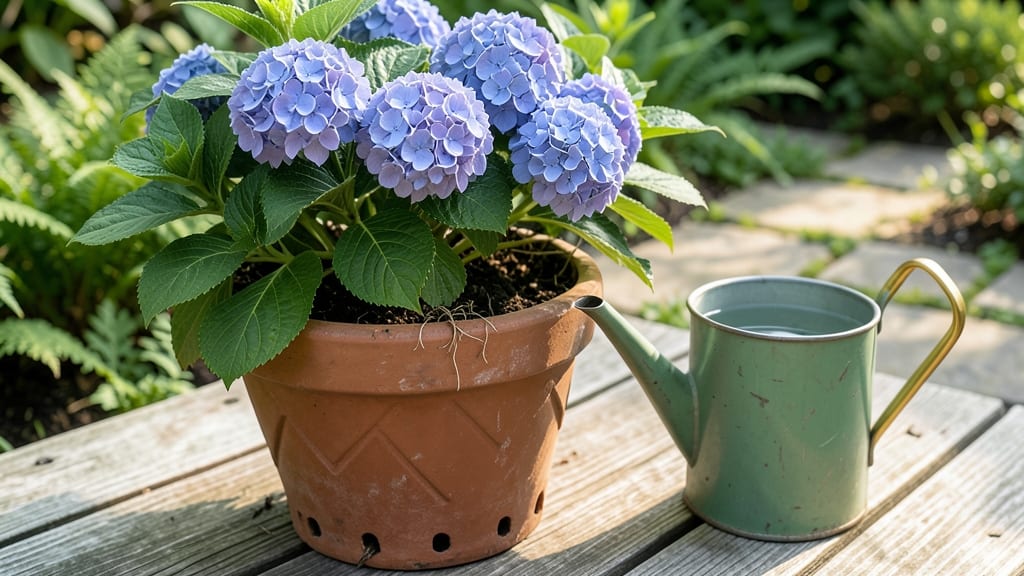
Mastering hydrangea care in pots transforms your patio into a year-round bloom explosion—here’s how I do it with just three simple secrets: the right soil, smart watering, and a dash of patience. 🌿 that keeps roots happy without drowning them, and a pruning schedule that guarantees those big, showy blooms.
The secret starts with soil that drains well but holds moisture—think chunky, airy mix with perlite or orchid bark. Most people overwater, thinking hydrangeas love it soggy, but yellow leaves and floppy stems are your first warning signs.
I’ve found that sticking my finger in the soil and watering only when the top inch feels dry keeps my plants thriving without the guesswork. By summer’s end, you’ll have clusters of blooms so vibrant they’ll make your neighbors jealous. The best part?
These same techniques work for indoor pots too—just move them near a bright window in winter. Varieties like ‘Endless Summer’ or ‘Limelight’ are perfect for containers because they handle pruning and smaller spaces like champs.
Here’s where it gets interesting: the color of your blooms actually changes based on soil pH. Want blue? Add aluminum sulfate. Prefer pink? Skip it. It’s like having a built-in mood ring for your garden. Let’s get your hydrangeas looking their best all season long.
📚 In This Guide
- What you need
- Instructions
- Tips and common mistakes
- Wrapping up and next steps
What you need
- ● Container: 1–2 large pots (12–18 inches in diameter) with drainage holes. Pro tip: Terracotta or ceramic pots help regulate moisture! 🌡️
- ● High-quality potting mix: 3–5 gallons of well-draining, acidic soil (pH 5.5–6.2). Mix in 1 part perlite or orchid bark per 3 parts soil for aeration.
- ● Hydrangea plant: 1–2 mature hydrangeas (e.g., Hydrangea macrophylla or Hydrangea paniculata) in 3–4 inch pots from a nursery.
- ● Slow-release fertilizer: 1–2 cups of balanced, acidic fertilizer (e.g., 10-10-10 or hydrangea-specific formula).
- ● Watering can or hose with a gentle spray nozzle.
- ● Saucer or tray: 1–2 to collect excess water and prevent root rot.
- ● Pruning shears: Sharp, clean pair for trimming dead blooms or overgrowth. ✂️
- ○ pH test kit: To monitor soil acidity and adjust with sulfur or aluminum sulfate (optional but helpful for blue/pink blooms!).
- ● Mulch: 1–2 inches of pine bark or coconut coir to retain moisture and regulate temperature.
- ● Plant supports: 1–2 stakes or cages for panicle hydrangeas (they grow tall!).
- ● Slow-drip irrigation system: For automated watering (great for busy gardeners!). 💧
Step-by-step instructions for growing hydrangeas in pots
Let’s transform your patio into a year-round hydrangea paradise with these simple, foolproof steps.
🪴 Step 1: Select the Right Pot and Soil Mix
Choose a container that’s at least 12-14 inches wide—hydrangeas need room for roots to spread. I swear by terra cotta pots because they breathe and help prevent soggy roots, but plastic works too if you drill extra drainage holes. Fill the pot with a lightweight potting mix (never garden soil—it compacts and suffocates roots). I blend mine with 20% perlite to keep it airy and well-draining.
Tap the pot gently to settle the soil, then water it until moisture runs freely from the drainage holes. This ensures the mix is evenly damp before planting. Hydrangeas love moisture but hate sitting in water—this step prevents both problems right from the start.
🌱 Step 2: Plant Your Hydrangea Correctly
Dig a hole in the soil that’s twice as wide as the root ball but only as deep as it was in its nursery pot. Gently remove the plant, loosen any circling roots with your fingers, and place it in the hole. Fill around the roots with soil, pressing lightly to remove air pockets. The top of the root ball should sit just below the pot’s rim—never buried deeper than it was in the nursery.
Water deeply right after planting to settle the soil. You’ll know you’ve done it right when the soil surface looks slightly damp but not glistening. Hydrangeas are thirsty but hate waterlogged roots—this balance is key from day one.
☀️ Step 3: Position for Perfect Light and Water
Place your hydrangea in morning sun and afternoon shade—at least 4-6 hours of sunlight daily. Too much harsh afternoon sun wilts blooms faster, but too little shade means sparse flowers. I keep mine on a covered patio where they get bright morning light but gentle shade in the heat of the day.
Water when the top inch of soil feels dry to the touch. In summer, that’s usually every 2-3 days, but adjust for your climate. I like to water deeply in the morning so the roots soak up moisture before the heat sets in. Yellowing leaves? You’re either overwatering or underwatering—check the soil first.
✂️ Step 4: Prune and Feed for Year-Round Blooms
Prune right after flowering (late summer) to shape the plant and encourage next year’s blooms. Cut back one-third of the oldest stems to the first set of strong leaves. This might seem drastic, but it keeps the plant bushy and full. I always sterilize my pruners with rubbing alcohol to prevent disease.
Feed with a balanced liquid fertilizer (10-10-10) every 4-6 weeks during the growing season. Hydrangeas are heavy feeders, but too much fertilizer burns roots. I mix mine at half-strength to play it safe. In winter, let the soil dry out slightly between waterings—hydrangeas need less in cooler months.
🌿 Step 5: Overwinter for Next Year’s Beauty
Before the first frost, move your pot to a sheltered spot (like a garage or covered porch) where temps stay above 20°F. Wrap the pot in bubble wrap to insulate roots—this prevents freezing and thawing cycles that crack containers. I also mulch the soil surface with 2 inches of straw to retain moisture and warmth.
Reduce watering in winter—just enough to keep the soil from drying out completely. In early spring, when new growth appears, move the pot back to its sunny spot and resume regular care. Your hydrangea will thank you with vibrant blooms all season long.
Tips & tricks for perfect hydrangea care in pots
Want lush, blooming hydrangeas that thrive in containers? These simple tricks will help you avoid common mistakes and keep your plants vibrant all year.
Pot Selection Matters: While 12-14 inches is the minimum width, I recommend choosing a pot that's actually 16-18 inches wide for mature plants—this gives roots room to grow without becoming root-bound. For terra cotta pots, select ones with at least 4 drainage holes to prevent waterlogging, which is hydrangeas' biggest enemy. If using plastic, drill extra holes yourself—this is non-negotiable for container-grown hydrangeas.
Soil Prep Secret: The 20% perlite recommendation is perfect, but here's what nobody tells you—mix in 1 tablespoon of Epsom salt per gallon of soil at planting time. This magnesium boost gives you deeper green leaves and more vibrant blooms from the start. Hydrangeas are heavy feeders, and this gives them an instant nutrient kick without overloading the roots.
Watering Wisdom: When checking that top inch of soil, I use a wooden skewer instead of fingers—it gives you a more accurate moisture reading. For the 2-3 day watering schedule in summer, adjust based on your pot material: terra cotta dries faster, so check daily, while plastic may only need water every 4 days. Morning watering is key—it prevents fungal diseases that thrive in damp leaves overnight.
Winter Protection Hack: The 20°F minimum is correct, but here's my pro move: place a second layer of bubble wrap around the outside of the wrapped pot for extra insulation. I also add a layer of foam board between the pot and any wooden surfaces in my garage—this prevents heat loss through contact. Your hydrangea's roots will thank you with stronger spring growth.
Pro Tips for Hydrangea Care In Pots
- Want lush, blooming hydrangeas that thrive in containers?
- Pot Selection Matters: While 12-14 inches is the minimum width, I recommend choosing a pot that's actually 16-18 inches wide for mature plants—this gives roots room to grow without becoming root-bound.
- Soil Prep Secret: The 20% perlite recommendation is perfect, but here's what nobody tells you—mix in 1 tablespoon of Epsom salt per gallon of soil at planting time.
Frequently asked questions
Got questions about keeping your potted hydrangeas thriving? Here are some of the most common ones—plus quick, expert-approved answers to keep those blooms happy year-round!
How often should I water potted hydrangeas?
Water your potted hydrangeas when the top inch of soil feels dry. In hot weather, this could mean daily watering, while cooler months may only require 2–3 times per week. Pro tip: Use a moisture meter or stick your finger in the soil to check—hydrangeas hate soggy roots but love consistent moisture.
Can I keep hydrangeas in pots outdoors all winter?
Yes, but with precautions! Move pots to a sheltered spot (like a garage or under an overhang) before temps drop below 20°F (-7°C). Wrap the pot in bubble wrap or frost cloth and add extra mulch around the base. Mophead and Bigleaf varieties are hardier—just protect them well!
Why are my hydrangea leaves turning yellow?
Yellow leaves usually signal overwatering, poor drainage, or nutrient deficiency. Check for:
- Soggy soil (let it dry out slightly between waterings)
- Root rot (ensure pots have drainage holes)
- Pale leaves? Try a balanced fertilizer (like 10-10-10) in spring.
How do I get bigger blooms on my potted hydrangeas?
Bigger blooms = pruning + feeding! Prune old wood (last year’s stems) in late winter for Mopheads/Bigleafs, or new growth for Panicle types. Feed with acidic fertilizer (like coffee grounds or hydrangea-specific food) every 4–6 weeks in growing season. Bonus: Larger pots = more root space = bigger blooms!
What’s the best alternative if my hydrangea struggles in pots?
If your hydrangea wilts or looks stressed, try these low-maintenance potted pals:
- Impatiens – Thrives in shade, blooms nonstop
- Coleus – Colorful foliage, drought-tolerant
- Heuchera (Coral Bells) – Hardy, loves partial sun
- Fuchsia – Similar care, stunning hanging blooms
Wrapping up and next steps
Caring for hydrangeas in pots is all about balance—the right soil, water, light, and a little seasonal TLC. With these simple tricks, you’ll enjoy year-round bursts of color and a thriving plant that’s as easy to maintain as it is stunning. 🌸
Ready to put your newfound knowledge into action? Start by picking your favorite hydrangea variety and grab a pot—your blooming masterpiece is just a few steps away! Review the materials checklist or browse common questions to get growing today.