
Planting
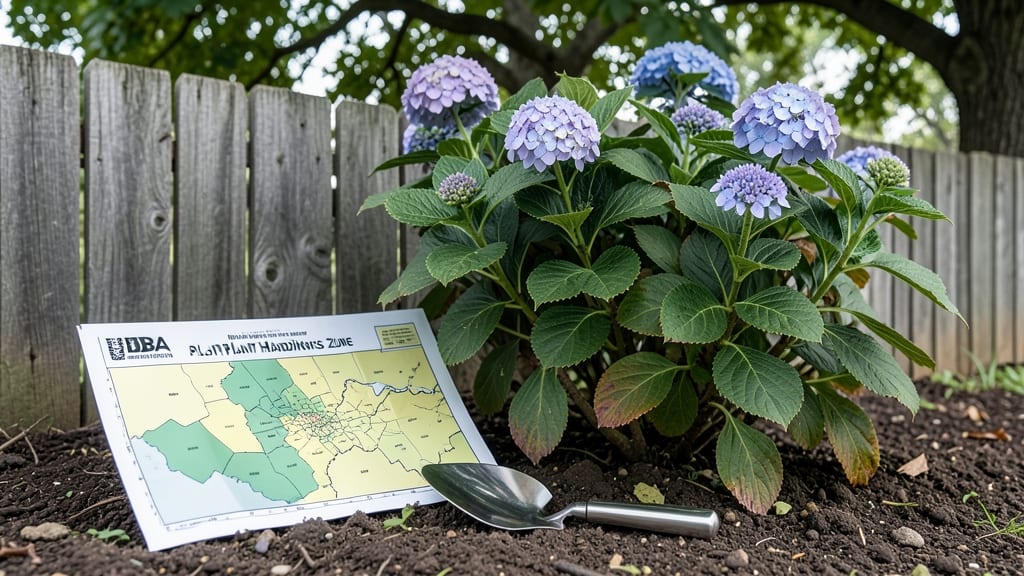
Determining hydrangea hardiness zones is essential because these plants thrive in USDA Zone 3 for cold-hardy varieties like Annabelle to Zone 9 for tropical types such as Bigleaf or Mophead, with most common cultivars flourishing in Zones 5–8. Always verify your specific variety’s cold tolerance before planting.
Hydrangeas vary dramatically in their cold tolerance, which directly impacts their ability to survive winter dormancy and bloom reliably. 🌱 For example, Annabelle hydrangeas can handle -40°F winters (Zone 3), while Bigleaf varieties may struggle below 20°F (Zone 9).
The key difference lies in their root systems—cold-hardy types develop deep, insulating roots, while tropical varieties need protection from even light frosts. I’ve seen gardeners in Zone 6 successfully grow Endless Summer by planting them against south-facing walls, where microclimates create just enough warmth.
Your local climate’s last frost date also plays a crucial role. Most hydrangeas need 60–90 days of temperatures above 50°F to set buds, so planting in Zones 5–8 gives them the best chance for vibrant blooms.
If you’re in a marginal zone (like Zone 4), opt for Oakleaf or Panicle types—they handle early frosts better than Bigleaf varieties. Always check your nursery’s growing zone map, as elevation and urban heat islands can shift your actual conditions by 1–2 zones.
💡 In This Article
- How USDA Zones Affect Hydrangea Survival and Bloom
- Best Hydrangea Varieties for Cold and Warm Climates
How USDA zones affect hydrangea survival and bloom
Hydrangeas rely on precise temperature cues to trigger dormancy and flowering cycles, which is why USDA zones matter so much. Cold-hardy varieties like Annabelle enter dormancy when nighttime temperatures drop below 32°F, allowing their roots to insulate against -40°F winters.
This deep dormancy prevents frost damage to the root crown, which is critical for regrowth in spring. In contrast, tropical types like Bigleaf hydrangeas struggle when temperatures dip below 20°F—their roots lack the protective adaptations of their cold-hardy cousins.
The science behind this involves a process called vernalization, where hydrangeas need a period of cold exposure to set flower buds. For example, Oakleaf hydrangeas (Zone 4) require 300–600 hours below 45°F to bloom reliably, while Panicle types (Zone 5+) need slightly fewer cold hours.
Heat stress above 90°F can also disrupt flowering by causing buds to form too early, which gets damaged by late frosts—a common issue in Zones 6–7. 🌡️
Root health is another critical factor. Cold-hardy hydrangeas develop deep, fibrous root systems that store starches for winter survival, while tropical varieties have shallower roots that dry out in hot climates.
This is why Endless Summer (Zone 6+) thrives in Zones 9–10 when planted in partial shade—it avoids the extreme heat stress that would otherwise damage its roots. Mulching with 3–4 inches of organic matter (like wood chips) can extend hardiness by 1–2 zones in marginal climates.
Microclimates also play a role. A south-facing wall can create a 5–10°F warmer zone, allowing Zone 5 varieties like Limelight to survive in Zone 4. Conversely, windy or exposed sites can increase cold stress by 5–10°F, making it harder for hydrangeas to endure winter.
Always consider these factors when selecting varieties—some, like Nikko Blue, tolerate -30°F but need protection from drying winds.
Heat stress is equally damaging. In Zones 8–9, Bigleaf hydrangeas may suffer from leaf scorch if temperatures exceed 100°F, while Panicle types handle heat better by producing smaller, more heat-resistant blooms.
The key is matching the variety to your local climate’s extremes—cold-hardy types need winter protection, while heat-tolerant ones need shade and consistent moisture. 🌿
Finally, remember that hydrangeas bloom on old wood (last year’s growth) or new wood (current season’s growth), which affects their response to temperature shifts. For instance, Oakleaf hydrangeas bloom on old wood, so late frosts can damage buds before they open.
In contrast, Panicle types bloom on new wood, making them more forgiving in unpredictable climates. Always research your variety’s blooming habit to avoid disappointment.