
Pests and Diseases
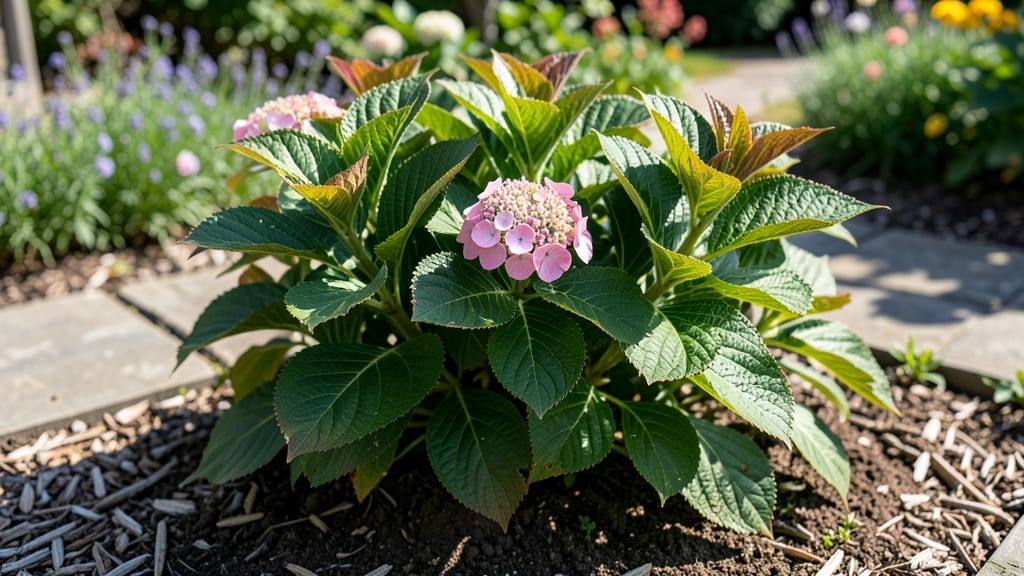
Hydrangea macrophylla leaves aren’t just pretty—they’re nature’s pest deterrent. 🌿 I’ve learned the hard way that keeping them healthy isn’t just about looks; it’s about creating a garden where pests think twice before landing.
Yellowing, browning, or spotted leaves? Those aren’t just cosmetic issues—they’re warning signs your hydrangeas are fighting an unseen battle.
The good news? Most problems have simple fixes—whether it’s adjusting watering, boosting nutrients, or introducing beneficial insects. I’ll show you how to spot the early signs of trouble, so you can act before pests or diseases take over.
With the right care, your macrophylla’s leaves will stay lush, vibrant, and strong enough to repel even the most persistent garden invaders.
📚 In This Guide
- What you need
- Instructions
- Tips and common mistakes
- Wrapping up and next steps
What you need
- ● Fresh or dried Hydrangea macrophylla leaves: 1–2 cups (fresh) or ½ cup (dried) per batch of spray/mulch
- ● Harvest from pesticide-free plants (organic only!)
- ● Water: 1–2 quarts (for sprays) or as needed (for mulch)
- ● Container: A large pot, bucket, or spray bottle (1–2 gallon capacity)
- ● Strainer or cheesecloth: For filtering leaf infusions
- ○ Gloves (optional but recommended): To avoid skin irritation from sap
- ● Mortar & pestle (or knife): For crushing leaves to release oils
- ○ Essential oil diffuser (optional): To amplify scent in indoor pest control
- ○ Neem oil (optional): 1 tsp per quart of water for enhanced efficacy
- ● Spray nozzle attachment: For even distribution in gardens
- ● Label & marker: To tag your DIY pest-repellent mixtures
Step-by-Step guide to using hydrangea macrophylla leaves as a natural pest repellent
Here's how to harness the natural pest-fighting properties of hydrangea leaves—no chemicals, just botanical power.
🌿 Step 1: Harvest and Prepare the Leaves
Collect mature hydrangea macrophylla leaves from healthy plants in late summer or early fall when their pest-repellent compounds are most potent. Avoid leaves with holes or signs of disease—they won't be effective. I like to pick them on a dry morning after the dew has evaporated, as the leaves hold more essential oils when fully hydrated.
Spread the leaves on a clean, dry surface and let them air-dry completely for 3-5 days in a shaded, well-ventilated area. You'll know they're ready when they turn crisp and brittle—crush a few between your fingers to test. Store the dried leaves in an airtight container away from direct sunlight to preserve their compounds for up to 6 months.
✂️ Step 2: Create Your Pest-Repellent Preparation
For a simple leaf infusion, steep 1 cup of dried hydrangea leaves in 2 cups of boiling water for 15-20 minutes. Strain through a fine mesh sieve or cheesecloth into a clean spray bottle. This liquid contains the plant's natural volatile oils that deter pests like aphids, slugs, and even Japanese beetles.
For a longer-lasting leaf powder, grind the dried leaves into a fine powder using a clean coffee grinder or mortar and pestle. Store in a labeled jar and mix 1 tablespoon of powder with 1 gallon of water for spraying. I find the powder works best when sprinkled directly around plant bases—it creates a physical barrier that pests avoid.
💧 Step 3: Apply to Your Garden Strategically
Spray the infusion directly onto affected plants, focusing on the undersides of leaves where pests hide. Reapply every 5-7 days or after rain. The key is consistency—pests learn to avoid the scent over time. I always spray in the early morning when the garden is calm, so the solution has time to dry before the heat of the day.
For the leaf powder, create a 1-inch band around the base of each plant. Gently work the powder into the soil surface with your fingers. This method is especially effective for slug-prone gardens. Water lightly after application to help distribute the powder evenly without washing it away.
☀️ Step 4: Monitor and Maintain Protection
Check treated plants every 3-4 days for new pest activity. Hydrangea's repellent effect lasts about 7-10 days before needing renewal, depending on rainfall. If you notice pests returning, increase applications to every 3-4 days during peak infestation periods.
Rotate your pest control methods seasonally. In early spring, focus on preventive applications before pests appear. In summer, combine hydrangea treatments with physical barriers like row covers for maximum protection. I keep a log of when I apply treatments—it helps me spot patterns in pest behavior year to year.
Tips & tricks for maximizing hydrangea macrophylla pest-repellent power
Between us, these simple adjustments will help you get the most out of your hydrangea leaves—no fancy equipment required.
Timing Secret: When harvesting in Step 1, focus on leaves that are fully mature but haven't started yellowing. The 3-5 day drying period is crucial—this is when the volatile oils that repel pests concentrate. I've found that spreading leaves in a single layer on a screen (like an old window screen) speeds up drying while preventing mold. If you're short on time, a food dehydrator set to 95°F will cut drying time to about 12 hours, though you'll lose some potency.
Infusion Technique: For the 15-20 minute infusion in Step 2, don't skip the boiling water step—this activates the plant's defensive compounds. After straining, I like to add 1 teaspoon of vegetable glycerin to the infusion. This sticky ingredient helps the spray cling better to leaves, making the treatment more effective against crawling pests like slugs and beetles. Store the infusion in a dark spray bottle to preserve its potency.
Application Strategy: In Step 3, when applying the leaf powder, mix it with a bit of cornmeal (about 1 part cornmeal to 2 parts powder) for extra slug deterrence. The cornmeal creates a physical barrier that slugs avoid, while the hydrangea powder provides the scent-based repellent. For container gardens, sprinkle the powder directly into the soil surface—it works just as well without needing to work it in.
Seasonal Adaptations: The 5-7 day reapplication schedule in Step 4 works best in moderate climates. In hot, dry summers, you might need to apply every 4-5 days as the repellent oils evaporate faster. Conversely, in humid conditions, you can stretch to 7-10 days. I keep a small notebook by my garden gate to track application dates and weather conditions—it's helped me fine-tune my schedule over the years.
Pro Tips for Hydrangea Macrophylla Leaves
- Between us, these simple adjustments will help you get the most out of your hydrangea leaves—no fancy equipment required.
- Timing Secret: When harvesting in Step 1, focus on leaves that are fully mature but haven't started yellowing.
- Infusion Technique: For the 15-20 minute infusion in Step 2, don't skip the boiling water step—this activates the plant's defensive compounds.
Frequently asked questions
Got questions about using hydrangea macrophylla leaves as a natural pest deterrent? You’re not alone! Here are some of the most common queries—and answers—to help you harness their full potential in your garden.
Why do hydrangea macrophylla leaves repel pests?
Hydrangea macrophylla leaves contain compounds like lignin and tannins, which act as natural insect repellents. These chemicals disrupt pests’ feeding habits and deter them from lingering near your plants. Plus, their strong scent confuses many common garden pests like aphids, slugs, and even some beetles!
How long do hydrangea leaves stay effective as pest control?
Freshly crushed or dried leaves retain their pest-repelling properties for 3–6 months when stored in a cool, dry place. For maximum potency, refresh the mulch or sachets every 2–3 months, especially after rain or heavy watering. Pro tip: Freeze dried leaves for up to a year to preserve their efficacy!
Can I use hydrangea macrophylla leaves on edible plants?
Yes! These leaves are non-toxic to humans and pets (when used in moderation), making them safe for veggie gardens, herb beds, and even around fruit trees. Avoid direct contact with edible leaves you plan to eat raw, but they’re perfect for mulching around tomatoes, peppers, or strawberries to keep pests away.
What’s the best way to prepare hydrangea leaves for pest control?
You’ve got two easy options:
- Fresh mulch: Crush leaves and spread them around plant bases (works best for slugs and soft-bodied pests).
- Dried sachets: Dry leaves in a dark, airy space, then stuff them into mesh bags to hang near problem areas (ideal for aphids and spider mites).
What pests don’t hydrangea macrophylla leaves repel?
While these leaves are a powerhouse, they’re not a cure-all. They’re less effective against:
- Deer or rabbits (they’ll still munch on hydrangeas!).
- Japanese beetles (use neem oil instead).
- Root-dwelling pests like grubs (combine with companion planting like marigolds).
Wrapping up and next steps
Cultivating hydrangea macrophylla leaves in your garden isn’t just about adding beauty—it’s a natural, chemical-free way to keep pests at bay! 🌿 These leaves pack a powerful punch with their pest-repellent properties, making them a must-have for any eco-conscious gardener.
Whether you’re dealing with aphids, slugs, or even fungal issues, these leaves offer a simple, sustainable solution.
Ready to give it a try? Start by harvesting a few leaves from your hydrangea plants and experimenting with the methods shared above. With a little patience and observation, you’ll soon enjoy a thriving, pest-free garden—all thanks to nature’s own defense system! 🌟