
Light Requirements
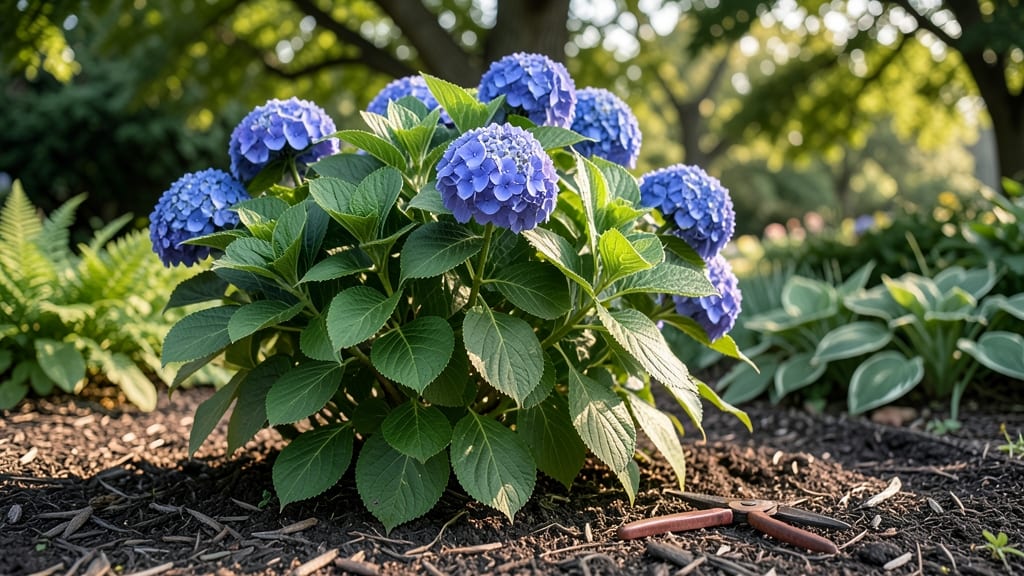
Growing hydrangeas in part sun 🌸 is easier than you think — with the right spot and care, they’ll reward you with lush blooms all season.
Struggling to keep your hydrangeas blooming beautifully in part sun? These stunning shrubs can thrive with the right care—even when they don’t get full sunlight all day. The key is understanding how much light they truly need and adjusting your approach to water, soil, and pruning.
Most hydrangeas tolerate morning sun and afternoon shade, making them perfect for spots under trees or on north-facing porches. But too little light can lead to leggy growth or sparse flowers, while too much afternoon sun might scorch the leaves.
I’ll show you how to strike the perfect balance so your hydrangeas stay vibrant and healthy.
From choosing the best varieties for part sun to troubleshooting common issues like leaf scorch, this guide covers everything you need to keep your hydrangeas thriving—no matter where they’re planted.

How to choose and prepare the perfect part-sun spot for hydrangeas
Hydrangeas are the stars of part-sun gardens, offering vibrant blooms even when they don’t bask in full sunlight all day. The key lies in selecting the right microclimate and preparing the soil to meet their needs.
Unlike sun-loving plants, hydrangeas thrive with 4-6 hours of morning sun followed by afternoon shade, which prevents leaf scorch while ensuring enough energy for blooms.
When scouting locations, prioritize spots with dappled shade or filtered light, such as near tall trees or on the east-facing side of buildings. Avoid areas with harsh afternoon sun or deep shade, as both can lead to poor flowering or leggy growth.
Think of it like Goldilocks—you want a spot that’s "just right" for their delicate balance of light and shade.
| Factor | Ideal Condition | Avoid |
|---|---|---|
| Sunlight | 4-6 hours morning sun + afternoon shade | Harsh afternoon sun or deep shade |
| Soil pH | 5.0-6.0 (acidic for blue blooms) | Alkaline soil (pH 7.0+) |
| Moisture | Well-draining, consistently moist | Waterlogged or dry soil |
| Wind Protection | Sheltered spot (e.g., near fence) | Exposed, windy areas |
| Soil Type | Rich, organic, loamy | Clay-heavy or sandy soil |
Before planting, test your soil’s pH level—hydrangeas are finicky about this! Aim for a pH between 5.0 and 6.0 to encourage blue blooms, or adjust to 6.0-7.0 for pink using soil amendments like aluminum sulfate or lime.
Mix in 3-4 inches of compost or well-rotted manure to improve drainage and fertility, which hydrangeas crave for lush foliage and abundant blooms.
Dig a hole twice as wide as the root ball but only as deep. This encourages roots to spread outward rather than settling too low, which can lead to root rot in heavy soils.
Gently loosen the roots if they’re circling, then place the plant in the hole, ensuring the top of the root ball sits 1 inch above ground level. This prevents water from pooling around the stem.
Mulch around the base with 2-3 inches of organic mulch, like shredded bark or pine needles, to retain moisture and regulate soil temperature. Keep the mulch 6 inches away from the stem to avoid rot.
This step is crucial in part-sun spots, where soil can dry out faster in morning sun or stay too damp in shade.
Consider your hydrangea variety when choosing a spot. Bigleaf hydrangeas (like 'Endless Summer') tolerate part sun best, while panicle hydrangeas (like 'Limelight') can handle slightly more sun. If your garden has hot afternoon sun, opt for varieties with darker foliage, which scorch less easily.
Watch for signs of stress, such as yellowing leaves or sparse blooms, which may indicate too much shade or poor soil. Adjust by trimming nearby trees to increase light or amending the soil with more organic matter. Hydrangeas are forgiving but communicate their needs clearly—listen closely!
For extra protection, plant near companion plants that thrive in part sun, like hostas, ferns, or astilbes. These not only create a stunning layered look but also help regulate moisture and temperature around your hydrangeas.
With the right spot and care, your hydrangeas will reward you with show-stopping blooms year after year.
Remember, the best part-sun spot balances light, moisture, and shelter. Take your time scouting locations—your hydrangeas will thank you with vibrant, healthy growth that turns heads in your garden. 🌸🌿💧
Best hydrangea varieties that flourish in part sun conditions
Not all hydrangeas need 6+ hours of direct sun to shine. With the right part-sun varieties, you can enjoy lush blooms even in morning sun with afternoon shade. These three standouts thrive where others might struggle, offering vibrant colors and low-maintenance care perfect for partial shade gardens.
The key to success lies in selecting varieties bred for moderate light conditions. Unlike sun-loving types, these hydrangeas adapt beautifully to 3-6 hours of daily sunlight while still delivering showstopping blooms. Let's explore the top performers that will transform your partially shaded garden into a floral paradise.
'Endless Summer' is my top recommendation for part-sun gardens because it reblooms continuously from spring to frost. Its color-changing blooms (pink to blue) add dynamic interest, and it handles morning sun with afternoon shade beautifully. For a bold statement, try 'Limelight'—its lime-green blooms stand out against deep green foliage and thrive in container gardens.
If you love classic blue hydrangeas, 'Nikko Blue' delivers deep, vibrant blooms when grown in acidic soil. This variety appreciates consistent moisture and does well in woodland gardens where other hydrangeas might struggle.
For a low-maintenance white option, 'Annabelle' produces large, showy blooms that tolerate heat and humidity better than most.
When selecting your part-sun hydrangea, consider your garden's microclimate and soil pH. Most prefer well-draining, slightly acidic soil (pH 5.5-6.2) for optimal bloom color.
Amend your soil with peat moss or pine needles if needed, and always mulch around the base to retain moisture and regulate soil temperature.
Remember, even part-sun hydrangeas need proper care to thrive. Provide regular watering during dry spells, and prune in late winter to encourage new growth. With these top varieties, your shady garden corners will burst with color year after year!