
Planting
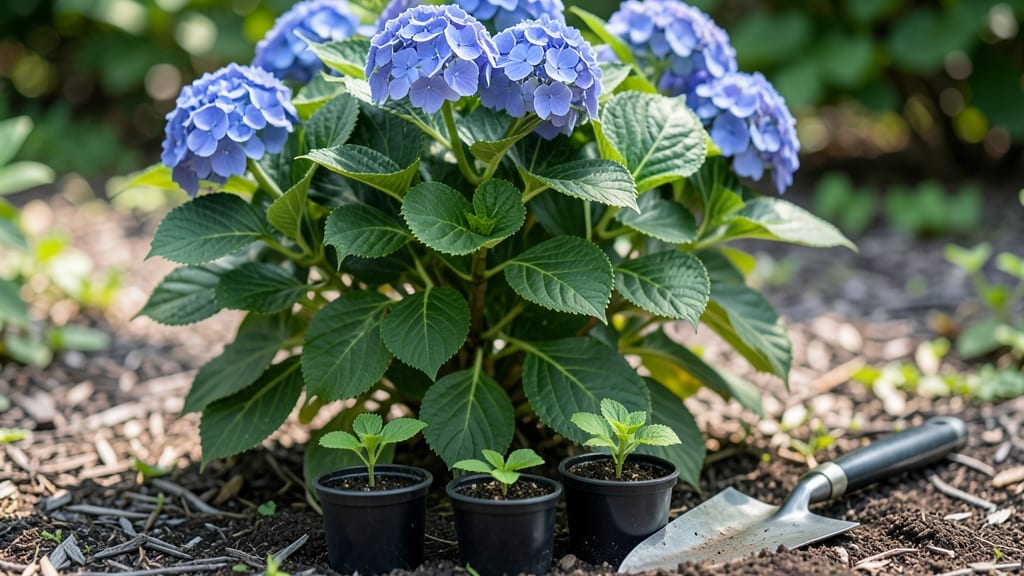
Planting hydrangeas the right distance apart is the key to healthy, vibrant blooms that last all season — and skipping this step can mean years of fighting for space and nutrients.
If you’ve ever watched your 🌸 hydrangeas struggle to grow or bloom, you might be spacing them wrong. Too close, and they’ll compete for sunlight and water; too far, and your garden will look sparse instead of lush.
The ideal distance depends on the variety, soil, and whether you’re planting in the ground or containers.
In this guide, I’ll break down the exact spacing rules for mophead, panicle, and oakleaf hydrangeas, plus how to adjust for containers or tight spaces. You’ll also learn how proper airflow prevents disease and why some gardeners swear by clustering plants in groups of three.
By the end, you’ll know exactly how far apart to plant your hydrangeas for maximum blooms, easier care, and a garden that looks like it belongs in a postcard.

Optimal hydrangea planting distance by variety and growth type
Getting your hydrangeas to thrive starts with understanding their planting distance needs. Different varieties grow at vastly different rates, and crowding them can lead to stunted growth, fewer blooms, and even disease.
I’ve planted everything from mophead hydrangeas to panicle types, and spacing makes all the difference in their long-term health.
Hydrangeas need room to spread their roots and develop strong stems. Plant them too close, and you’ll end up with root competition and poor airflow, which invites fungal issues.
Too far apart, and you’ll miss the stunning landscape impact they’re meant to provide. The key is balancing their mature size with your garden layout.
Most hydrangeas reach mature heights of 3–8 feet, but their spread varies dramatically. For example, dwarf varieties like 'Little Lime' stay compact, while standard types like 'Annabelle' can sprawl 5–6 feet wide. Sun exposure also plays a role—full-sun varieties like panicle hydrangeas need more space to avoid shade competition.
Here’s a quick comparison of the most popular hydrangea types and their ideal planting distances. Use this as your guide to create a thriving hydrangea garden that’s both healthy and visually stunning.
When planning your hydrangea garden layout, consider the mature spread of each variety. For example, mophead hydrangeas like 'Endless Summer' need at least 4–6 feet of space to avoid overcrowding.
If you’re planting in a row formation, space them 5–6 feet apart to ensure adequate airflow and sunlight penetration.
For panicle hydrangeas, which thrive in full sun, increase the spacing to 5–7 feet. These varieties grow taller and wider, and proper spacing prevents them from shading each other out. I’ve seen 'Limelight' hydrangeas reach 8 feet tall when given enough room to stretch vertically.
If you’re planting oakleaf hydrangeas, prioritize their stunning fall foliage by giving them 5–6 feet of space. These shrubs develop beautiful bronze and red leaves in autumn, but they need room to showcase their full potential.
Pair them with companion plants like heuchera or fern to fill gaps while they mature.
For container gardening, dwarf varieties like 'Little Lime' or 'Mini Penny' are ideal. Plant them in 15–20 gallon pots with at least 2–3 feet of space between containers. This ensures their roots have room to expand without competing for nutrients in the limited soil volume.
One common mistake I see is planting hydrangeas too close when they’re young, only to struggle with transplanting later. Always plan for their mature size from day one. If your garden space is limited, opt for dwarf varieties or prune larger types annually to control their spread.
Proper spacing isn’t just about aesthetics—it’s about plant health. Hydrangeas with enough room develop stronger stems, more abundant blooms, and better resistance to pests and diseases
How far apart to plant hydrangeas for maximum blooms and airflow
When planting hydrangeas, spacing isn't just about aesthetics—it directly impacts their health, bloom production, and long-term survival. Too little space leads to root competition and disease risks, while over-spacing wastes garden real estate.
The key is finding that sweet spot where your hydrangeas thrive without crowding each other out.
Most hydrangea varieties need 3 to 6 feet of space between plants, but this varies based on your hydrangea type. For example, mophead hydrangeas (like 'Endless Summer') can reach 4-5 feet wide, while panicle hydrangeas (like 'Limelight') may spread 6 feet or more.
Understanding these differences ensures your shrubs have room to grow into their full, bloom-filled potential.
🌿 Key Spacing Rules for Hydrangeas
- 1. Mature Size Matters: Space based on the adult width of your hydrangea variety, not the nursery pot size.
- 2. Airflow is Critical: 4-6 feet apart prevents fungal diseases like powdery mildew by improving air circulation.
- 3. Sunlight Penetration: Wider spacing ensures even sunlight distribution, which boosts bloom production.
- 4. Container vs. Ground: Container-grown hydrangeas need 1-2 feet more space than in-ground plants to accommodate root ball expansion.
- 5. Cluster vs. Row Planting: 3-5 plants in clusters create a fuller look, while single rows work better for hedges or borders.
For row planting, space hydrangeas 5-6 feet apart in a straight line to create a uniform border or hedge. This works well for panicle hydrangeas, which have a more upright growth habit.
In contrast, cluster planting (grouping 3-5 plants together) is ideal for mophead varieties, as it mimics their natural, fuller growth pattern.
If you're planting near a fence or wall, leave at least 3 feet of space behind the shrub to allow for pruning and airflow. This also prevents root-bound stress and ensures your hydrangeas can reach their full height without obstruction.
For example, a 6-foot-tall oakleaf hydrangea needs this extra room to spread its branches outward.
Another pro tip: Mulch around the base of your hydrangeas after planting to retain moisture and regulate soil temperature. Use organic mulch like shredded bark or pine straw, keeping it 2-3 inches away from the stem to prevent rot.
This simple step helps reduce water competition between plants, especially in dry spells.
Remember, hydrangeas are long-term investments. Proper spacing now means fewer headaches later—like pruning overgrown branches or dealing with pests and diseases caused by poor airflow. With the right distance, your hydrangeas will reward you with vibrant blooms year after year.