
Aphids
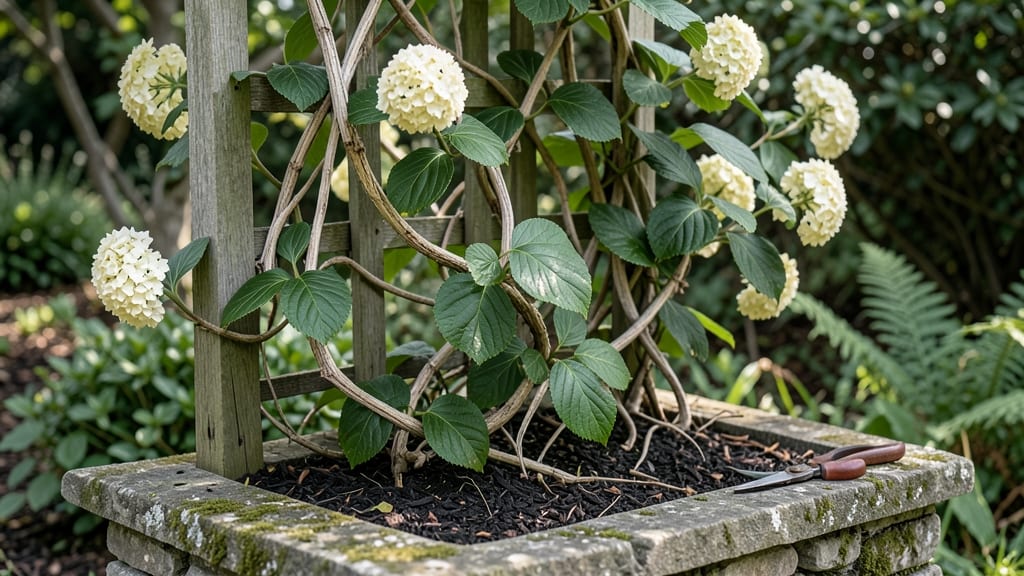
Transform your fence into a lush, floral curtain with Hydrangea seemannii—this climbing hydrangea grows 10-20 feet in a single season, draping itself in delicate white lace blooms. 🌿 I fell for it the first time I saw it clinging to an arbor, its massive leaves and airy flowers creating a dreamy, romantic backdrop.
Unlike its shrubby cousins, this one climbs, turning plain structures into stunning vertical gardens.
The secret to its success? Morning sun and afternoon shade—it thrives where other plants wilt. Well-draining, slightly acidic soil keeps roots happy, and consistent moisture (but never soggy) encourages that rapid growth.
Plant it near a sturdy trellis, fence, or arbor, and watch it take over—gently—within months. Prune lightly in late winter to shape it, but otherwise, let it grow wild.
By midsummer, you’ll have a privacy screen that’s also a showstopper, blooming from late spring through fall. The flowers age to a soft pink, adding layers of texture, while the leaves create a lush, tropical backdrop. It’s the kind of plant that makes neighbors stop and stare—without any extra effort.
Works best in zones 7-9, but can be grown in containers in cooler climates. Just give it a sheltered spot and a little extra winter protection. Here’s how to get started without the common pitfalls—like over-pruning or planting it in too much shade.
📚 In This Guide
- What you need
- Instructions
- Tips and common mistakes
- Wrapping up and next steps
What you need
- ● Hydrangea seemannii plant: 1-2 mature plants (3-5 gallons in size) or 3-5 young plants (1-gallon pots) for fuller coverage.
- ● Support structure: Trellis, fence, arbor, or pergola (at least 6-8 feet tall for optimal climbing).
- ● Twine or soft plant ties (10-20 feet, biodegradable preferred).
- ● Well-draining potting mix: 5-10 gallons (or native soil amended with compost for in-ground planting).
- ● Mulch: 2-3 inches of organic mulch (e.g., wood chips or pine straw) to retain moisture.
- ● Watering can or hose: With a gentle spray nozzle for hydration.
- ● Pruning shears: Sharp, clean pair for shaping and maintenance.
- ● Fertilizer: Balanced, acid-loving plant fertilizer (e.g., 10-10-10 or hydrangea-specific formula).
- ● Epsom salt: 1 tablespoon per gallon of water (monthly) to boost bloom color.
- ● Liquid iron supplement: For vibrant foliage in alkaline soils.
- ● Plant stakes or cages: Temporary support for young vines.
- ● Pest control: Neem oil or insecticidal soap (for aphids or spider mites).
- ● Gloves: To protect hands during pruning or planting.
Step-by-Step guide to planting and cultivating hydrangea seemannii
This delicate climber thrives with the right support and care—let’s create that lush vertical canopy you’ve imagined.
🌱 Step 1: Choose the Perfect Planting Site and Prepare the Soil
Hydrangea Seemannii craves partial shade—think dappled sunlight where morning rays kiss the leaves but afternoon heat stays away. A north- or east-facing wall or fence is ideal, especially in warmer climates. If your space gets intense afternoon sun, provide afternoon shade to prevent leaf scorch.
Dig a hole twice as wide as the root ball but only as deep as the container’s base. Amend the native soil with 2-3 inches of organic compost mixed into the bottom half of the hole. This ensures excellent drainage while retaining moisture—critical for this semi-tender climber. Gently loosen the roots if they’re circling in the container before placing the plant in the hole.
🪴 Step 2: Install Support Structures and Plant
Before planting, install your trellis, fence, or arbor—Hydrangea Seemannii needs a sturdy vertical support to climb. Use galvanized wire, wooden lattice, or a sturdy trellis spaced 12-18 inches apart for optimal air circulation. Plant the hydrangea 6-12 inches away from the support so the stems can easily reach and twine.
Backfill the hole with the amended soil, pressing lightly to eliminate air pockets but avoiding compaction. Water deeply to settle the soil and encourage root spread. Mulch around the base with 2-3 inches of shredded bark or wood chips, keeping it 2 inches away from the stem to prevent rot. This mulch layer helps retain moisture and regulates soil temperature.
☀️ Step 3: Provide Consistent Watering and Pruning for Growth
Keep the soil evenly moist but not soggy—this hydrangea tolerates some drought once established, but young plants need 1-2 inches of water weekly. Water at the base, avoiding wetting the foliage to prevent fungal diseases. You’ll know it’s thriving when new growth appears within 4-6 weeks of planting, with glossy, deep green leaves unfurling.
Prune in late winter or early spring before new growth begins. Remove dead or weak stems at the base, and trim back any leggy growth by one-third to encourage bushier, more vigorous climbing. Avoid heavy pruning in fall—this plant needs its energy reserves for winter hardiness. Tie new growth to the support structure with soft plant ties as it grows to prevent wind damage.
✂️ Step 4: Fertilize and Maintain for Year-Round Beauty
Feed in early spring with a balanced, slow-release fertilizer (10-10-10) applied at half the recommended rate. This prevents over-fertilization, which can lead to weak, floppy growth. Hydrangeas respond well to organic matter, so top-dress with a 1-inch layer of compost in spring and again in early fall to replenish nutrients.
Monitor for pests like aphids or spider mites, which can weaken the plant. Spray affected areas with neem oil or a soapy water solution if needed. In colder climates, protect young plants with burlap wraps or a light mulch layer in late fall to shield them from harsh winter winds. With proper care, your Hydrangea Seemannii will reward you with delicate, lace-like foliage and a stunning vertical display all season long.
Tips & tricks for perfect hydrangea seemannii climbing canopy
Transforming your vertical space into a lush hydrangea haven starts with these pro insights—because the details make all the difference.
Support System Matters: When installing your trellis or arbor in Step 2, prioritize stability over aesthetics. Galvanized wire or wooden lattice should be anchored securely to withstand this vigorous climber's weight as it matures. I recommend burying support posts at least 12 inches deep and using 3-4 horizontal wires spaced 12-18 inches apart—this creates the perfect climbing framework while preventing stem breakage during storms.
Soil Preparation Secret: The 2-3 inches of organic compost in Step 1 isn't just about drainage—it's about creating the perfect moisture-retention balance. For clay-heavy soils, mix in 1 part perlite to 3 parts compost to prevent compaction. In sandy soils, add 1 part peat moss instead. This adjustment ensures your hydrangea gets the consistent moisture it craves without risking root rot.
Pruning Precision: When you trim back leggy growth by one-third in Step 3, focus on cutting just above a leaf node where new growth can emerge. Avoid "heading back" (cutting into old wood)—this plant climbs from new shoots, and precise cuts encourage bushier, more vigorous vines. I always prune on a dry day when the plant is dormant, which minimizes stress and disease risk.
Winter Protection Strategy: For colder climates, extend your late fall protection in Step 4 by wrapping young plants with burlap AND covering the entire support structure with a lightweight frost cloth. This creates a microclimate that shields tender new growth from freezing winds. Remove the cloth in early spring once daytime temperatures consistently stay above 40°F—this prevents heat buildup that can encourage fungal growth.
Pro Tips for Hydrangea Seemannii Climbing Hydrangea
- Transforming your vertical space into a lush hydrangea haven starts with these pro insights—because the details make all the difference.
- Support System Matters: When installing your trellis or arbor in Step 2, prioritize stability over aesthetics.
- Soil Preparation Secret: The 2-3 inches of organic compost in Step 1 isn't just about drainage—it's about creating the perfect moisture-retention balance.
Frequently asked questions
Got questions about Hydrangea seemannii? Here are some of the most common ones—plus expert tips to keep your climbing hydrangea thriving!
How fast does Hydrangea seemannii grow?
This vigorous climber grows 3 to 5 feet per year with proper care. In ideal conditions (full sun to partial shade, moist soil), it can quickly cover fences, trellises, or arbors. Prune in late winter to manage growth and encourage bushier foliage.
Are Hydrangea seemannii climbing hydrangeas prone to pests like aphids?
Yes, they can attract aphids, spider mites, and scale insects, especially in hot, dry weather. Monitor leaves regularly and treat infestations early with insecticidal soap or neem oil. Strong airflow and regular watering help deter pests.
Can Hydrangea seemannii survive winter in cold climates?
Native to tropical regions, H. seemannii is hardy to USDA Zones 9-11. In colder zones, grow it as an annual or overwinter indoors near a bright window. Use a greenhouse or container gardening to extend its life.
What’s the best alternative if I don’t have a trellis or fence?
If vertical support isn’t an option, try container growing with a sturdy cage or prune it into a bush form. Hydrangea petiolaris (another climbing hydrangea) or Hydrangea macrophylla (mophead lacecap) are great alternatives for pots or ground cover.
Why are my Hydrangea seemannii leaves turning yellow?
Yellow leaves often signal overwatering, nutrient deficiency, or root rot. Check soil moisture—it should stay evenly damp but not soggy. Amend soil with compost and ensure well-draining pots if container-grown. Fertilize lightly in spring with acid-loving plant food.
When and how should I prune for more flowers?
Prune right after flowering (late summer) to shape the plant and encourage new growth. Avoid heavy pruning in winter—this hydrangea blooms on old and new wood. Use clean shears to trim leggy stems and thin dense areas for better airflow.
Wrapping up and next steps
Transforming your garden with Hydrangea seemannii is a rewarding journey that blends beauty, resilience, and low-maintenance charm! 🌿 Whether you're draping it over fences, arbors, or trellises, this climbing hydrangea offers a lush, vertical canopy that thrives with minimal fuss.
Ready to elevate your outdoor space? Start by selecting the perfect spot, gathering your supplies, and let nature do the rest—your garden will thank you!
Next step: Pick a sunny or partially shaded area, prep your structure, and plant your Hydrangea seemannii—then sit back and enjoy the show!