
Shrubs
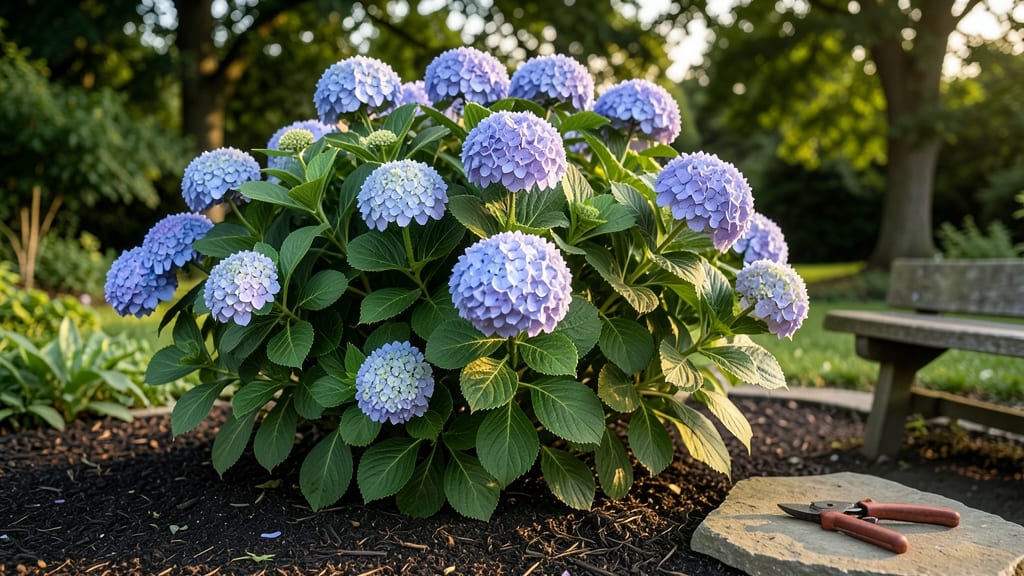
Growing hydrangeas in South Florida means beating the heat with the right varieties and care. 🌿 I’ve watched my own hydrangeas thrive here by choosing heat-tolerant types like ‘Endless Summer’ or ‘Blushing Bride,’ which handle our humidity better than traditional varieties.
The key isn’t just picking the right plant—it’s matching it to your yard’s microclimate, whether that’s a shady spot under palm trees or a breezy corner near the pool.
South Florida’s soil is often sandy and drains too fast, so I mix in 2-3 inches of organic compost at planting to retain moisture without drowning roots. Watering isn’t about daily soaking—it’s about deep, weekly watering (1-2 inches) to encourage strong root growth.
Mulch with 3-4 inches of pine bark to keep soil cool and reduce evaporation, which is a game-changer in our summer heat.
You’ll see those signature blooms year-round with proper care, especially if you prune in late winter (after the last frost risk, even though we rarely get one). The flowers stay vibrant longer when you deadhead spent blooms and fertilize lightly with a balanced 10-10-10 in spring and summer.
Just avoid heavy pruning—it stresses these tropical beauties.
Watch for scale insects and aphids, which love our humidity, but a strong spray of water usually knocks them off. If not, neem oil works without harming pollinators.
The biggest mistake? Overwatering—hydrangeas here prefer consistently moist but not soggy soil. With these adjustments, your hydrangeas will outshine even the most stubborn Florida sun.
📚 In This Guide
- What you need
- Instructions
- Tips and common mistakes
- Wrapping up and next steps
What you need
- ● Hydrangea plants: Choose Macrophylla (mophead/smooth) or Paniculata varieties (like ‘Limelight’ or ‘Endless Summer’). Buy 3–5 mature plants (3–5 gallons each) for fuller blooms.
- ● Well-draining soil: Mix 2 parts native soil + 1 part compost + 1 part perlite/sand (improves aeration in Florida’s clay-heavy soil).
- ● Organic mulch: 3–4 inches of pine bark or shredded leaves to retain moisture and regulate temperature.
- ● Slow-release fertilizer: 10-10-10 or 8-3-9 (apply 2–3 times/year in spring, summer, and early fall).
- ● Watering can or soaker hose: For deep, 1–2 inch/week watering (adjust for rain).
- ● Pruning shears: Bypass pruners (sharp, clean, and disinfected with rubbing alcohol).
- ● Garden gloves (to protect from thorns and soil-borne pathogens).
- ● pH test kit (aim for 5.2–6.0 for blue flowers; 6.0+ for pink).
- ○ Aluminum sulfate (optional, for blue blooms—follow label for South Florida’s acidic soil).
- ● Drip irrigation kit (automates watering in the heat!).
- ○ Shade cloth (30–50%) (optional for young plants in intense afternoon sun).
Step-by-Step instructions for planting hydrangeas in South Florida’s climate
Here’s how to plant hydrangeas for bold blooms in South Florida’s heat and humidity—where most varieties struggle but the right approach makes them thrive.
🪴 Step 1: Choose the Right Varieties for South Florida Heat
Skip the traditional bigleaf hydrangeas—they wilt in our summer heat. Instead, opt for panicle hydrangeas (like ‘Limelight’ or ‘Little Lime’) or oakleaf hydrangeas (like ‘Pincushion’), which handle 90°F+ temperatures and high humidity. I always buy 1-gallon container-grown plants from local nurseries, as they’ve already adapted to Florida’s climate.
Look for plants with firm, green stems and buds forming at the tips—this signals they’re ready to bloom. Avoid plants with yellowing leaves or mushy stems, as these are signs of stress or disease. Plant in late winter to early spring (February–March) to give roots time to establish before summer’s peak heat.
☀️ Step 2: Select the Perfect Shade and Soil Spot
South Florida’s intense afternoon sun can scorch hydrangeas, so choose a location with morning sun and afternoon shade—think dappled light under a tall palm or near a building’s east side. If you must plant in full sun, amend the soil with 3 inches of organic mulch to retain moisture and shield roots.
Hydrangeas love rich, acidic soil (pH 5.0–6.0). Test your soil first—South Florida’s native sand is alkaline and will stunt growth. Mix 3 gallons of peat moss into the planting hole to lower pH, and add 1 cup of slow-release fertilizer (like 10-10-10) to kickstart root growth. Water the amended soil well before planting.
🌱 Step 3: Plant Deeply and Mulch for Moisture Retention
Dig a hole twice as wide as the root ball but only as deep—hydrangeas hate being buried too deep. Gently loosen the roots if they’re circling and place the plant so the top of the root ball sits 1 inch below soil level. This encourages stronger root growth upward.
Backfill with the amended soil, pressing lightly to remove air pockets. Water deeply until the soil sinks 1 inch, then top with 2 inches of pine bark mulch (not dyed wood chips—those can raise soil pH). Mulch keeps roots cool and retains moisture, which is critical in our dry season. Avoid letting mulch touch the stems to prevent rot.
💧 Step 4: Water Deeply and Adjust for Humidity
Water twice weekly for the first month, soaking the soil to 12 inches deep—hydrangeas need consistent moisture but hate soggy roots. In summer, increase to 3 times weekly if the top 2 inches of soil feel dry. I use a soaker hose to deliver water slowly at the base, avoiding wetting leaves (which invites fungal diseases like powdery mildew).
South Florida’s humidity is a double-edged sword—it helps hydrangeas thrive but also encourages pests. Spray plants with neem oil every 4 weeks as a preventative. If leaves yellow, it’s often iron deficiency from alkaline soil—apply chelated iron in early spring to keep blooms vibrant.
✂️ Step 5: Prune for Florida’s Growing Season
Most hydrangeas bloom on new wood, so prune in late winter (January–February) to shape the plant. Cut back one-third of the oldest stems to encourage fresh growth, and trim any dead or crossing branches. Avoid heavy pruning in summer—it stresses plants in our heat and can delay blooming.
For panicle hydrangeas, you can also prune in early spring to control size. Just avoid pruning after June 1—new growth won’t have time to harden off before winter. Deadhead spent blooms in fall to redirect energy into next year’s buds, and add 1 inch of compost around the base annually to replenish nutrients.
Tips & tricks for perfect hydrangea planting in South Florida’s climate
These insider tricks will help your hydrangeas thrive in South Florida’s challenging heat and humidity—where most gardeners give up but the right approach delivers stunning blooms.
Variety Selection: Panicle and oakleaf hydrangeas are your best bets for Florida’s climate, but within those categories, look for disease-resistant varieties like 'Endless Summer' or 'Annabelle'. These hybrids tolerate our heat better than standard types and often bloom twice a year. I've seen 'Annabelle' handle 90°F+ temperatures with no wilting when planted in the right spot.
Soil Preparation: The 3 gallons of peat moss in Step 2 is non-negotiable for Florida's alkaline soil, but here's the pro move: mix in 1 cup of sulfur along with the peat moss to further lower pH. Test your soil first—if it's already below 5.0, you can reduce the peat moss to 2 gallons. The key is maintaining that 5.0-6.0 pH range consistently, as hydrangeas are particularly sensitive to soil chemistry.
Watering Strategy: When you're watering twice weekly for that first month, use the finger test—stick your finger 2 inches into the soil. If it's dry, water again. This prevents both underwatering and soggy roots. For established plants, I've found that deep watering every 3-4 days during summer works better than the strict schedule, as our humidity means evaporation rates vary daily.
Pruning Insight: That June 1 deadline for pruning is critical—after that, new growth won't have time to mature before our winter freezes. But here's what nobody tells you: mark your calendar for July 15 instead. This gives you a few extra weeks of buffer time while still allowing sufficient hardening off before winter. For panicle hydrangeas specifically, you can be more aggressive with spring pruning since they bloom on new wood.
Pro Tips for Hydrangea South Florida
- These insider tricks will help your hydrangeas thrive in South Florida’s challenging heat and humidity—where most gardeners give up but the right approach delivers stunning blooms.
- Variety Selection: Panicle and oakleaf hydrangeas are your best bets for Florida’s climate, but within those categories, look for disease-resistant varieties like 'Endless Summer' or 'Annabelle'.
- Soil Preparation: The 3 gallons of peat moss in Step 2 is non-negotiable for Florida's alkaline soil, but here's the pro move: mix in 1 cup of sulfur along with the peat moss to further lower pH.
Frequently asked questions
Got questions about growing hydrangeas in South Florida’s steamy climate? You’re not alone! Here are answers to the most common concerns—from timing to troubleshooting—so your blooms stay lush and vibrant all year.
What’s the best time to plant hydrangeas in South Florida?
Plant hydrangeas in late winter or early spring (February–March) to avoid summer heat stress. For container-grown plants, you can also transplant in fall (September–October)—just water deeply afterward. Avoid planting during peak summer (June–August) when roots struggle to establish in the humidity.
How often should I water hydrangeas in South Florida’s heat?
Water deeply 2–3 times per week during dry spells, aiming for 1–1.5 inches of water per session. Mature plants need more in summer, while newly planted ones may need daily watering until established. Mulch heavily (3–4 inches) to retain moisture and protect roots from temperature swings.
Why aren’t my hydrangeas blooming in South Florida?
South Florida’s warm winters can trick hydrangeas into blooming early (spring) instead of storing energy for summer flowers. For mophead or lacecap varieties, prune right after blooming (late spring) to encourage new buds. Oakleaf hydrangeas bloom on old wood—prune after flowering. Check soil pH too: Blue blooms? Lower pH (add sulfur); pink? Raise pH (add lime).
What pests or diseases should I watch for in South Florida?
Watch for scale insects, aphids, and spider mites (common in humidity). Treat with neem oil or insecticidal soap. Fungal issues like powdery mildew thrive in damp conditions—improve airflow, avoid overhead watering, and apply copper fungicide if needed. Root rot from soggy soil? Plant in well-draining areas and amend heavy clay with compost.
Are there hydrangea varieties that thrive better in South Florida’s heat?
Yes! Opt for heat-tolerant varieties like:
- Oakleaf hydrangea (‘Alice’ or ‘Snow Queen’)—drought-resistant and disease-hardy.
- Panicle hydrangea (‘Limelight’ or ‘Little Lime’)—handles humidity and blooms late summer.
- Endless Summer® hydrangeas—rebloom reliably in warm climates.
Wrapping up and next steps
Growing hydrangeas in South Florida’s humid heat is totally doable—just embrace their love for shade, moisture, and a little TLC! 🌿 With the right location, soil prep, and watering routine, you’ll enjoy lush blooms year-round.
Whether you’re a first-time gardener or a seasoned pro, these tips will help you cultivate stunning hydrangeas that thrive in your tropical paradise.
Ready to transform your garden? Start small—pick one variety, test your soil, and give it a try! Before you know it, you’ll have a vibrant, shade-loving showstopper that’s the envy of the neighborhood. Happy planting! 🌸