
Light Requirements
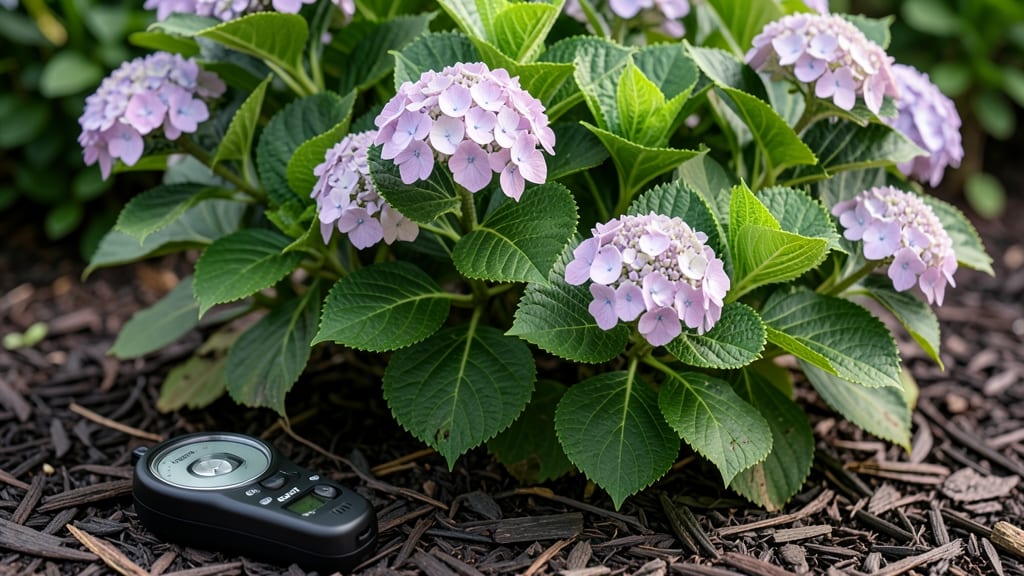
Understanding your hydrangea sun requirements is key to thriving blooms and lush leaves—a balance many gardeners overlook when planting.
Struggling to get your hydrangeas to bloom as vibrantly as the garden center displays? The secret might be hiding in their sunlight exposure — specifically, how much morning sun they truly need to thrive.
Too much direct afternoon sun can scorch leaves, while too little light means fewer blooms. Mophead varieties, like the classic bigleaf hydrangea, need 4-6 hours of morning sun but benefit from afternoon shade, especially in hot climates like USDA Zone 6a.
In this guide, I’ll break down the ideal sunlight mix for each type, how to spot when your hydrangeas are getting it wrong, and pro tips to maximize those golden morning rays without burning the foliage.

How much morning sun hydrangeas need for optimal growth
Hydrangeas are one of the most beloved shrubs for their stunning blooms, but their sunlight needs can be confusing. Unlike many plants, hydrangeas thrive best with morning sun exposure rather than harsh afternoon rays.
This distinction is crucial for vibrant blooms and healthy foliage. Morning sun provides gentle warmth without the risk of leaf scorch or overheating that often occurs in the afternoon.
The key to success lies in understanding how different hydrangea varieties respond to sunlight. While all hydrangeas benefit from morning sun, their tolerance for afternoon exposure varies. For example, panicle hydrangeas handle more sun than mophead varieties.
Let’s break down the ideal sunlight conditions for each type to help you create the perfect growing environment.
Morning sun is gentler because the sun’s intensity is lower in the early hours. This means your hydrangeas receive warmth without stress, which is especially important in hot climates.
For instance, in USDA Zone 8 or higher, afternoon sun can cause leaves to crisp and turn brown, while morning sun keeps the plant cool and hydrated. Think of it like giving your hydrangeas a sunrise workout rather than an intense midday session.
If you’re growing mophead hydrangeas, aim for 4-6 hours of morning sun and protect them from afternoon rays. These varieties are known for their large, showy blooms, but they’re also more sensitive to heat.
In contrast, panicle hydrangeas are tougher and can handle 6-8 hours of morning sun plus some afternoon exposure. Their cone-shaped flowers add a unique texture to gardens and tolerate more sunlight.
Seasonal adjustments are also critical. In spring and fall, when temperatures are milder, hydrangeas can handle more direct sunlight. However, during summer’s peak heat, even morning sun can become intense. If you notice leaves curling or wilting, it’s a sign your plant needs more shade.
Use light shade cloth or plant near taller shrubs to filter the sun’s rays without blocking all light.
One common mistake gardeners make is assuming all hydrangeas need the same amount of sun. For example, oakleaf hydrangeas prefer 3-5 hours of morning sun and thrive in partial shade. Their beautiful foliage changes color in fall, but too much sun can cause the leaves to scorch.
To avoid this, position oakleaf hydrangeas where they get morning light and afternoon shade, such as under a dappled tree canopy or near a north-facing wall.
Another pro tip is to monitor your hydrangeas’ bloom production. If you notice fewer flowers or smaller blooms, it could be a sign of inconsistent sunlight. Hydrangeas need a balance of light and rest.
Too much sun can lead to leaf burn, while too little can result in sparse or weak blooms. The goal is to find that sweet spot where your hydrangeas get enough morning sun to fuel their growth but aren’t overwhelmed by the heat.
For container-grown hydrangeas, morning sun is even more important because pots dry out faster and can overheat. Place your containers in a spot where they receive morning sunlight but are shaded in the afternoon.
If you’re using a patio or balcony, an east-facing location is ideal. This ensures your hydrangeas get the light they need without the risk of root stress from overheating soil.
Finally, don’t forget to mulch around your hydrangeas to help regulate soil temperature. A 2-3 inch layer of mulch keeps the roots cool and retains moisture, which is especially helpful in areas with hot, dry afternoons.
Mulch also protects against temperature fluctuations, ensuring your hydrangeas stay healthy throughout the growing season.
By tailoring your hydrangeas’ sunlight exposure to their specific needs, you’ll be rewarded with vibrant blooms and lush foliage all season long. Whether you’re growing mophead, panicle, or oakleaf varieties, morning sun is the secret ingredient to a thriving garden centerpiece. 🌸
Signs your hydrangeas aren’t getting the right sunlight
Your hydrangeas might be sending you visual distress signals if they’re not receiving the perfect balance of morning sun. Yellowing leaves or leaf scorch are classic signs they’re either getting too much harsh afternoon sun or not enough gentle morning light.
Even sparse blooms can indicate their sunlight needs aren’t being met—especially if your hydrangeas look more like a sad, leggy shrub than a lush, flowering beauty.
Hydrangeas thrive with morning sun exposure (typically 4-6 hours) but struggle when exposed to intense afternoon heat. In hot climates like USDA Zone 8-10, even morning sun can become problematic without proper care.
Meanwhile, cooler regions (like Zones 5-7) often need more light to prevent weak, floppy growth. The key is understanding how your local climate affects their sunlight needs.
⚠️ Critical Sunlight Warning for Hydrangeas
Too much sun causes leaf scorch (brown, crispy edges) and stunted blooms. Too little sun leads to pale, sparse flowers and weak stems. Morning sun (6 AM–10 AM) is ideal—it’s gentle and fuels growth without burning. Afternoon sun (after 2 PM) is the enemy in hot zones.
Start by checking your hydrangeas for leaf discoloration. If leaves are yellowing between veins, it’s often a sign of too much sun (especially in hot climates).
Conversely, deep green but small leaves with fewer blooms suggest under-exposure. Panicle hydrangeas (like 'Limelight') are slightly more sun-tolerant, while mophead varieties (like 'Endless Summer') need extra shade in peak afternoon hours.
Another red flag? Bud blast—when flower buds form but then drop off before blooming. This often happens when hydrangeas get too much heat stress in late summer.
If you’re in a hot, dry climate, your hydrangeas might need afternoon shade from a nearby tree or a light shade cloth (30-50%). In cooler areas, they may simply need a sunnier spot to encourage robust blooms.
Don’t overlook the soil moisture factor—hydrangeas in full sun dry out 3x faster than those in partial shade. If your soil feels dry by mid-morning, your plant is likely thirsty for more shade.
Try moving it to a spot where it gets morning sun but afternoon dappled light, like under a dwarf tree or trellis. Mulching with 3 inches of organic mulch (like shredded bark) also helps regulate soil temperature and retain moisture.
For hot climates, consider gradual sun acclimation. If your hydrangea is currently in full shade, don’t suddenly move it to full sun—start with 2-3 hours of morning sun and increase by 1 hour per week.
This prevents sunburn shock and gives leaves time to adjust. In temperate zones, aim for 6 hours of morning sun and 2-3 hours of afternoon shade for the best balance of blooms and leaf health.