
Light Requirements
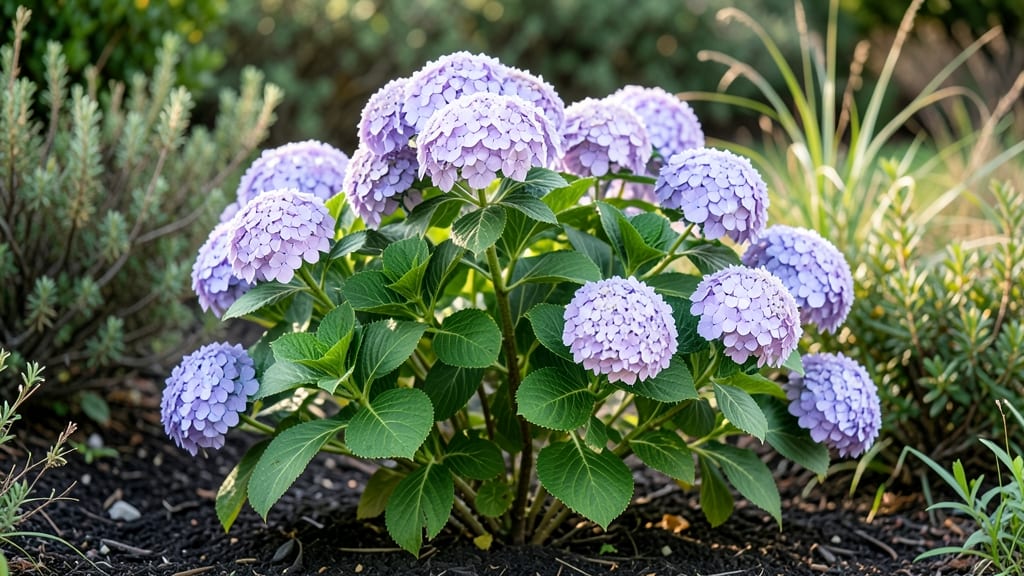
Light purple hydrangeas transform shady corners into dreamy, romantic retreats. 🌿 I fell in love with their soft lavender blooms after my first season growing them—they turned a dull backyard corner into a lush, Instagram-worthy spot that neighbors now envy.
These shade-lovers thrive where sunflowers struggle, blooming from midsummer through fall with minimal fuss. Pair them with deep green hostas or silver foliage for stunning contrast, or let them spill over container edges for cascading color.
The key is keeping soil consistently moist and feeding them occasionally—they reward patience with 3-foot-tall clouds of blossoms. Imagine a cottage garden where light purple hydrangeas mingle with peonies and roses, or a modern patio where their delicate blooms soften sleek lines.
They even work in weddings and seasonal arrangements, bringing that same dreamy charm indoors. The secret is their versatility—they adapt to almost any garden style while keeping maintenance simple. For best results, plant them where they get morning sun and afternoon shade.
Mulch well to retain moisture, and prune lightly after blooming. Your garden will thank you with season-long color that brightens even the shadiest spots beautifully.
📚 In This Guide
- What you need
- Instructions
- Tips and common mistakes
- Wrapping up and next steps
What you need
- ● Light purple hydrangea plant: Choose between Hydrangea macrophylla (mophead or lacecap varieties) or Hydrangea serrata for delicate blooms. Opt for a healthy, well-rooted specimen from a trusted nursery.
- ● Well-draining potting mix or garden soil: A blend of 50% peat moss or coconut coir, 30% perlite, and 20% compost works best for containers. For in-ground planting, amend clay soil with organic matter (e.g., compost or aged manure).
- ● Slow-release fertilizer (10-10-10 or 20-20-20): Use 2–3 tablespoons per plant during spring planting or early growth stages.
- ● Mulch (pine bark or shredded leaves): Apply a 2–3 inch layer to retain moisture and regulate soil temperature.
- ● Garden trowel or spade: For digging holes 2–3 times wider than the root ball.
- ● Pruning shears: Sharp, sterilized shears for trimming dead wood (sterilize with rubbing alcohol between cuts).
- ● Watering can or hose with a gentle spray nozzle: Hydrangeas love consistent moisture—aim for 1–2 inches of water per week.
- ○ Gloves (optional but recommended): Protect your hands from thorns and soil-borne pathogens.
- ● Soil pH testing kit: Hydrangeas thrive in acidic soil (pH 5.2–6.0) for vibrant purple blooms. Adjust with aluminum sulfate if needed.
- ● Container with drainage holes: If growing in pots, choose a 12–18 inch diameter container for mature plants.
- ● Plant supports (stakes or cages): Tall varieties (like Hydrangea paniculata) may need light staking for windy areas.
- ● Epsom salt (magnesium sulfate): A tablespoon dissolved in water monthly can boost green foliage and bloom intensity.
Step-by-step guide to growing light purple hydrangeas
Here’s how to coax those dreamy lavender blooms into your garden—no fancy tricks, just smart care.
🪴 Step 1: Pick the Perfect Spot and Soil
Light purple hydrangeas thrive in partial shade, meaning 4-6 hours of morning sun and afternoon shade. Too much direct sun fades their color, while too little shade weakens blooms. I always check the spot’s light patterns for a full week before planting—watch for areas where sunlight fades by midday.
Amend your soil with 2-3 inches of compost to loosen heavy clay or sandy soil. These beauties love acidic soil (pH 5.5-6.2)—test your soil with a kit or add sulfur or peat moss if needed. I like to mix in a handful of cottonseed meal for extra acidity and nutrients. The goal is soil that holds moisture but drains well—hydrangeas hate soggy roots.
🌱 Step 2: Plant with Care for Strong Roots
Dig a hole twice as wide as the root ball but only as deep as the container’s base. Gently tease out any circling roots—this encourages outward growth. Place the plant so the top of the root ball sits 1 inch below soil level. Backfill with your amended soil, pressing lightly to remove air pockets.
Water deeply right after planting to settle the soil and eliminate gaps. You’ll know it’s right when water pools slightly at the surface before draining away. Mulch with 2-3 inches of pine bark or wood chips, keeping it 6 inches away from the stem to prevent rot. This keeps roots cool and conserves moisture—critical in hot summers.
☀️ Step 3: Feed and Water for Vibrant Blooms
Feed with a balanced, acidic fertilizer (10-10-10 or 20-20-20) in early spring and again after blooms fade. I use 1 tablespoon per foot of plant height, worked into the top inch of soil. Too much fertilizer leads to leafy growth at the expense of flowers—stick to the recommended amounts. Hydrangeas are heavy drinkers, so water 1-2 times per week, more in extreme heat.
Check soil moisture by sticking your finger 2 inches deep—if it feels dry, water until moisture reaches 6 inches down. Yellowing leaves often mean underwatering, while brown edges signal overwatering. I always water at the base, avoiding leaves to prevent fungal diseases like powdery mildew.
✂️ Step 4: Prune for Next Year’s Best Blooms
Prune light purple hydrangeas in late winter or early spring, before new growth starts. These are mophead types, so cut back old wood (last year’s stems) by half their height. Remove any dead or weak stems at the base. Never prune in fall—you’ll cut off next year’s flower buds.
Watch for spider mites or aphids on new growth—spray with neem oil if you see webbing or sticky residue. I also deadhead faded blooms in summer to encourage new flowers, but leave some for winter interest. Pruning might seem scary, but think of it as sculpting your plant’s shape while keeping it healthy.
🌿 Step 5: Overwinter for Repeat Performance
Mulch heavily with 4-6 inches of straw or leaves before the first frost to insulate roots. In colder zones, wrap young plants with burlap or use a tree guard to shield stems. Hydrangeas are tough once established, but young plants need extra protection. I always remove old mulch in spring to prevent rot.
Spring is the time to divide overcrowded plants every 3-5 years. Dig up the plant, separate sections with clean pruners, and replant immediately. Dividing rejuvenates growth and gives you extra plants to share. Just avoid dividing in fall—it stresses the plant before winter dormancy.
Tips & tricks for perfect light purple Hydrangea blooms
Here's what nobody tells you about getting those dreamy lavender blooms every season.
Light Factor: The 4-6 hours of morning sun is non-negotiable for that signature light purple color. I've learned the hard way—too much afternoon sun bleaches the blooms to pale pink. If your spot gets intense midday sun, consider a sheer curtain or nearby tree for that afternoon shade. Think of it as a sunblock for your hydrangeas!
Soil Science: That 2-3 inches of compost isn't just filler—it's your secret weapon. I've tested my soil pH after adding compost and seen it drop from 7.0 to 6.0 in just two weeks. For extra insurance, mix in a handful of cottonseed meal per plant—it's like liquid acidity that works slowly but surely. The goal is soil that's moist like a wrung-out sponge, not soggy like a swamp.
Planting Precision: When you're placing that root ball, the 1-inch depth below soil level isn't arbitrary—it's about encouraging strong root growth. I mark the depth with a pencil on the pot before planting so I don't accidentally bury it too deep. And that 2-3 inches of mulch? Keep it 6 inches away from the stem to prevent rot while still protecting roots from temperature swings.
Watering Wisdom: The 2-inch deep moisture check is your best friend. I've ruined plants by guessing—either underwatering until leaves crisp or overwatering until roots rot. Water until you see moisture reach 6 inches down, then let the top inch dry out before watering again. Think of it as giving your hydrangea a deep drink rather than a quick sip.
Pro Tips for Light Purple Hydrangea
- Here's what nobody tells you about getting those dreamy lavender blooms every season.
- Light Factor: The 4-6 hours of morning sun is non-negotiable for that signature light purple color.
- Soil Science: That 2-3 inches of compost isn't just filler—it's your secret weapon.
Frequently asked questions
Got questions about growing and caring for light purple hydrangeas? You’re not alone! Here are some of the most common queries—plus straightforward answers to keep your blooms thriving.
What’s the best light for light purple hydrangeas?
Light purple hydrangeas thrive in partial shade—think 3 to 6 hours of morning sun or dappled sunlight. Too much direct sun (especially afternoon rays) can scorch leaves or bleach petals. If your garden is shady, they’ll still bloom, just with slightly smaller flowers. Pro tip: Watch for leaf burn (brown edges) as a sign they need more shade!
When do light purple hydrangeas bloom, and how long do the flowers last?
Most varieties bloom in late spring to early summer, with a second flush of smaller blooms in fall. Flowers last 4–6 weeks per season if deadheaded regularly. For extended blooms, prune right after flowering (not in fall/winter) to encourage new growth. Fun fact: Some hydrangeas rebloom if you prune early!
How often should I water light purple hydrangeas?
Keep soil consistently moist but not soggy—hydrangeas hate drought stress! Water deeply 1–2 times per week (more in extreme heat). Mulch around the base to retain moisture and protect roots. Yellowing leaves or drooping blooms? Underwatering is usually the culprit. Warning: Overwatering can cause root rot—ensure pots/drainage areas have holes!
Why aren’t my light purple hydrangeas blooming?
No blooms? Check these fixes:
- Pruning too late: Hydrangeas need pruning right after flowering (not in fall).
- Too much shade: They need some light to bloom—try a sunnier spot.
- Nutrient deficiency: Feed with acidic fertilizer (like for azaleas) in early spring.
- New plants: First-year hydrangeas often skip blooming to focus on roots.
Can I change the color of my light purple hydrangeas?
Yes! Hydrangea color depends on soil pH:
- Blue/purple: Acidic soil (pH < 6.0). Add sulfur or pine needles.
- Pink/red: Neutral/alkaline soil (pH > 7.0). Add lime.
What pests or diseases should I watch for?
Common issues:
- Spider mites: Tiny webs on leaves? Spray with water or neem oil.
- Aphids: Sticky leaves? Blast off with a hose or use insecticidal soap.
- Powdery mildew: White dust on leaves? Improve airflow and avoid overhead watering.
- Slugs/snails: Ragged holes in buds? Set out beer traps or diatomaceous earth.
Wrapping up and next steps
Transforming your garden with light purple hydrangeas is easier than you think!
These shade-loving beauties thrive with minimal sunlight, making them perfect for adding color to dim corners or under trees. 🌿 With the right care—like well-draining soil, consistent moisture, and a touch of patience—they’ll reward you with lush blooms that brighten any space.
Ready to get started? Pick a spot, gather your supplies, and plant with confidence! Your garden’s next masterpiece could be just a few weeks away.