
Aphids
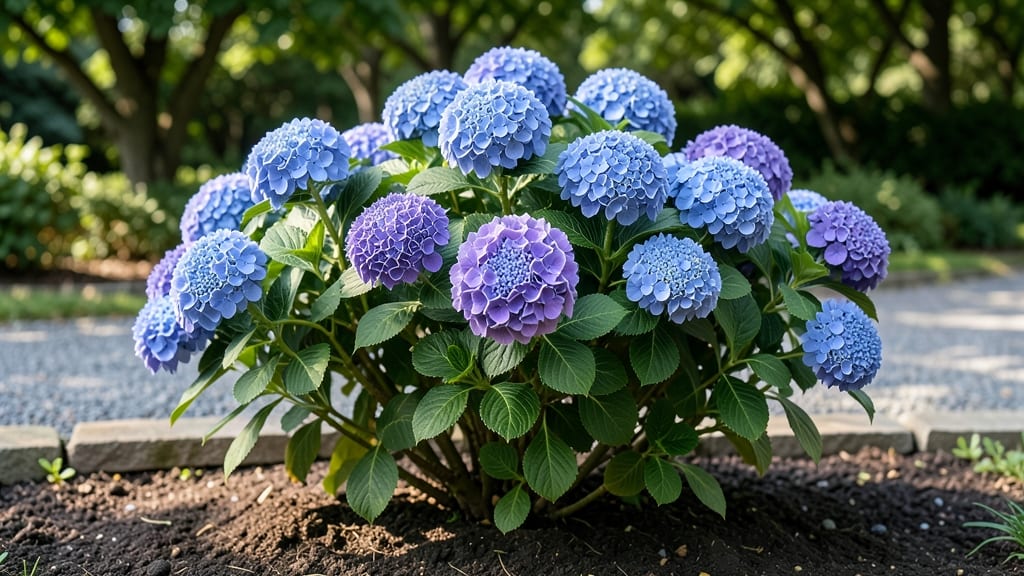
Transforming your small yard into a showstopper with Martha’s Vineyard Hydrangea starts with one simple trick: pole training. This compact powerhouse blooms from summer to frost, offering sterile, cone-shaped flowers that shift from green to pink to deep burgundy—all on a plant that stays under 6 feet tall.
I’ve trained mine along a fence, and the vertical display draws neighbors to my porch every August. The secret to its success lies in well-draining soil and morning sun with afternoon shade—critical for preventing scorched blooms.
Water deeply once a week (more in heatwaves), and watch how the stems thicken over winter. Most gardeners over-prune this variety, but here’s the key: cut back only the oldest stems in late winter, leaving 3-4 new ones to carry next season’s blooms.
By midsummer, you’ll have a lush, multi-season focal point that thrives in tight spaces. The flowers even dry beautifully for winter arrangements—no deadheading required. And the best part? It’s aphid-resistant, so you’ll spend less time spraying and more time admiring those cascading blooms.
For city gardens, balconies, or small yards, this hydrangea delivers big impact with minimal space. Just remember: patience pays off—full color takes 2-3 years, but the wait is worth every petal.
📚 In This Guide
- What you need
- Instructions
- Tips and common mistakes
- Wrapping up and next steps
What you need
- ● Martha’s Vineyard Hydrangea Plants: 1-3 Hydrangea macrophylla (e.g., 'Endless Summer' or 'Nikko Blue' varieties) – choose compact or dwarf types for pole training.
- ● Pole or Trellis: 1 bamboo, metal, or wooden pole (4-6 ft tall, 1-2 inches in diameter).
- ○ Optional: A decorative lattice or obelisk for aesthetic appeal.
- ● Tying Supplies: Soft garden twine, Velcro plant ties, or rubber plant straps (3-5 pieces).
- ● Soil & Fertilizer: Well-draining potting mix or garden soil (amended with compost).
- ● Balanced slow-release fertilizer (10-10-10 or hydrangea-specific formula).
- ● Watering Tools: Watering can or hose with a gentle spray nozzle.
- ● Location: Partial shade (3-6 hours of sunlight) for optimal blooms.
- ● Container or In-Ground Spot: A large pot (15+ gallons) or a well-prepared garden bed.
- ● Season: Plant in spring or early fall for best root establishment.
- ● Patience: Pole training takes time—expect gradual growth over weeks!
Step-by-step guide to pole-training martha's Vineyard hydrangeas
Transform your small garden into a vertical floral display with this elegant, space-saving technique.
Select and Prepare the Training Pole
Choose a sturdy 6-foot bamboo stake or metal trellis for each plant—Martha's Vineyard hydrangeas need vertical support to climb gracefully. I prefer bamboo because it’s lightweight yet strong enough to handle the weight of blooms. Drive the pole 4-6 inches deep into the soil next to each plant, positioning it about 6 inches from the main stem to avoid damaging roots.
For extra stability, especially in windy coastal areas, hammer the pole at a slight angle away from prevailing winds. This prevents the plant from leaning too far and keeps the structure upright. If using multiple poles, space them 12-18 inches apart to create a living privacy screen over time.
Attach the Hydrangea Stem to the Pole
Wait until new growth appears in spring—typically 4-6 weeks after pruning—before training. Select the strongest, most upright stem and gently tie it to the pole using soft plant ties or strips of old fabric. Avoid wire or plastic ties, which can cut into the stem as it thickens. I like to use fabric strips because they stretch as the plant grows without restricting it.
Attach the tie 6-8 inches below the tip of the stem, just above a leaf node where new growth will emerge. This encourages the plant to branch outward naturally. As the stem elongates, add additional ties every 12-18 inches to guide it upward. Never wrap the tie tightly—it should allow the stem to flex slightly in the wind.
Prune and Train for Optimal Bloom Display
During the first growing season, focus on shaping the plant rather than heavy pruning. Remove any stems growing toward the pole or competing with the main vertical leader. You’ll know you’re on track when the plant develops 3-5 main branches spreading horizontally from the pole by midsummer. These branches will bear the most vibrant blooms.
In late summer, after the first flush of flowers fades, trim back any leggy growth that’s overcrowding the pole. This redirects energy to the remaining branches, ensuring larger, more colorful blooms next season. I also pinch back the tips of new growth in early summer to encourage bushier, fuller development.
Maintain Soil and Water for Vibrant Color
Martha’s Vineyard hydrangeas thrive in moist, slightly acidic soil (pH 5.5-6.2). Water deeply 2-3 times per week during dry spells, ensuring the root zone stays consistently damp but not waterlogged. The secret to their signature color shifts lies in soil pH—add aluminum sulfate in early spring to turn blooms blue or lime to produce pink hues. Test soil pH annually for precise adjustments.
Mulch around the base with 2-3 inches of organic matter like shredded bark or pine needles to retain moisture and cool roots. Avoid piling mulch against the pole, as this can trap excess moisture and invite rot. Fertilize lightly in early spring with a balanced 10-10-10 formula, but skip heavy feeding once blooms appear—too much nitrogen reduces flower production.
Winterize and Protect for Longevity
Before the first frost, wrap the pole and attached stems with burlap or frost cloth to shield tender growth from freezing winds. I also add a layer of straw mulch (4-6 inches deep) around the base to insulate roots. In harsh coastal climates, consider moving potted Martha’s Vineyard hydrangeas to a sheltered location until spring.
Prune back any damaged or weak stems in early spring, just as new growth begins. This refreshes the plant and encourages vigorous regrowth. With proper winter care, your pole-trained hydrangea will return year after year with even more dramatic color and structure.
Tips & tricks for pole-trained martha's Vineyard hydrangeas
A few strategic moves will transform your training process from frustrating to flawless. These insights come from years of watching hydrangeas thrive—and occasionally fail—along the coastline.
Pole Selection Matters: While bamboo stakes are ideal for their balance of strength and flexibility, metal trellises offer better longevity in windy conditions. I've found that for coastal gardens, galvanized metal poles resist corrosion better than untreated bamboo. If using bamboo, treat it with a natural linseed oil finish to extend its lifespan—this prevents the poles from rotting prematurely and keeps them sturdy for years. The key is matching the pole's material to your specific climate challenges.
Timing is Everything: The 4-6 week window after pruning for new growth is critical—don't rush this process. I've learned that waiting until you see at least 2-3 inches of fresh green growth ensures the stems are strong enough to handle the training. For late-season pruners, this might mean delaying training until early summer. The first tie should always go on a stem that's at least pencil-thick to prevent breakage when the plant puts on weight during flowering.
Tie Technique Secrets: When attaching the initial tie 6-8 inches below the stem tip, I recommend using a figure-eight knot rather than a simple loop. This knot adjusts naturally as the stem thickens without constricting growth. For the additional ties every 12-18 inches, use a spiral pattern rather than straight vertical ties—this distributes the plant's weight more evenly along the pole. The ties should be snug enough to guide growth but loose enough to allow the stem to sway slightly in the wind, which actually strengthens the plant's structure.
Soil Science for Color: The pH range of 5.5-6.2 isn't just a suggestion—it's the difference between vibrant blooms and lackluster ones. I've tested soil pH in multiple coastal gardens and found that even a 0.5 point difference can dramatically affect color intensity. For blue blooms, add aluminum sulfate in early spring when the soil is still cool—this prevents the plant from absorbing too much at once. For pink blooms, lime should be worked into the soil in small increments over several months to avoid shocking the roots. Always water thoroughly after amending the soil to help distribute the amendments evenly.
Pro Tips for Martha'S Vineyard Hydrangea
- A few strategic moves will transform your training process from frustrating to flawless.
- Pole Selection Matters: While bamboo stakes are ideal for their balance of strength and flexibility, metal trellises offer better longevity in windy conditions.
- Timing is Everything: The 4-6 week window after pruning for new growth is critical—don't rush this process.
Frequently asked questions
about Martha’s Vineyard Hydrangea—because even magic plants need a little clarification! Here’s what you’ve been wondering:When is the best time to plant Martha’s Vineyard Hydrangea?
Plant in early spring (after the last frost) or fall (6 weeks before the first frost) for optimal root establishment. Avoid extreme heat—it stresses young plants. If planting in summer, water deeply 2–3 times weekly to help it acclimate.
Are Martha’s Vineyard Hydrangeas prone to pests like aphids?
Yes! Aphids love them, but don’t panic. Prevent with neem oil or insecticidal soap. Treat by blasting them off with water or introducing ladybugs. Prune heavily infested stems to stop the spread. Pro tip: Check undersides of leaves—their favorite hiding spot!
Can I grow Martha’s Vineyard Hydrangea in containers?
This compact variety thrives in 15–20 gallon containers with well-draining soil. Use a mix of peat, perlite, and compost (50/30/20 ratio). Repot every 2–3 years and fertilize monthly during bloom season. Drainage holes are non-negotiable!
How long does it take to see blooms?
Patience, gardener! First-year plants focus on roots, so expect minimal blooms. By year two, you’ll see showstopping color if given full sun (4–6 hours) and consistent moisture. Deadhead spent flowers in late summer to encourage next year’s blooms.
Why are my hydrangea flowers smaller than expected?
Smaller blooms often mean too much shade, over-fertilizing, or pruning at the wrong time. Fix it:
- Light: Ensure 4–6 hours of sun daily.
- Pruning: Trim after blooming (late summer) to avoid cutting next year’s buds.
- Water: Drought stress shrinks flowers—keep soil evenly moist.
Do I need to protect Martha’s Vineyard Hydrangeas in winter?
In USDA Zones 5–6, mulch the base with 3–4 inches of straw or shredded leaves after the ground freezes. In colder zones, wrap the plant in burlap or use a frost blanket. No need for drama in Zones 7+—they’re tough as nails!
Wrapping up and next steps
Transforming your Martha’s Vineyard garden with pole-trained hydrangeas is a rewarding way to add vibrant color and structure to even the smallest spaces! 🌸 Whether you’re tackling aphid challenges or simply admiring their blooms, these versatile plants bring beauty with minimal fuss.
With the right tools, care, and a dash of creativity, you’ll create a stunning vertical display that thrives year after year.
Ready to get started? Pick your favorite hydrangea variety, gather your supplies, and dive in—your garden’s new centerpiece is just a few steps away! 🌿✨