
Pruning
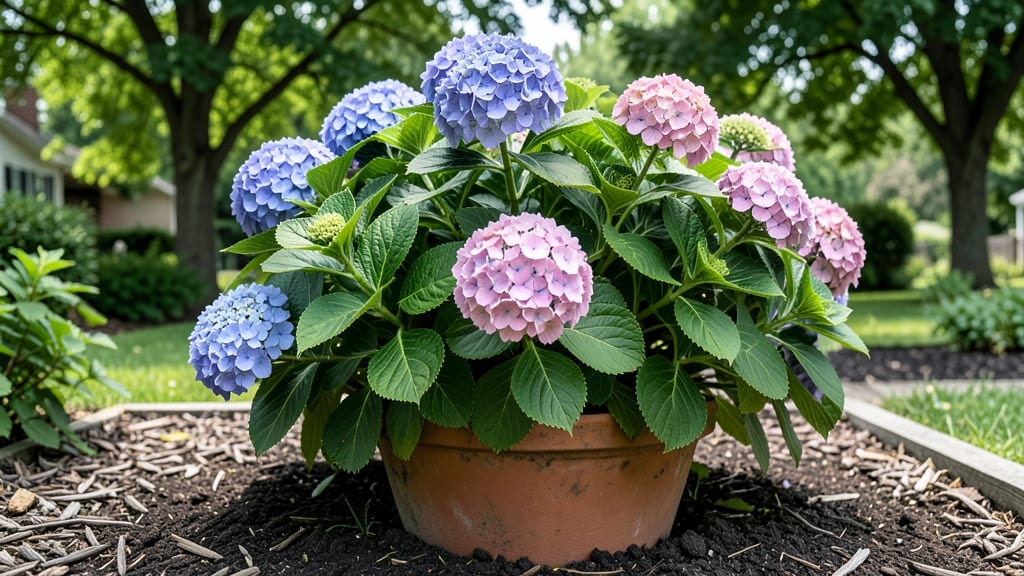
A mature hydrangea bush 💮 can transform your garden into a showstopper—but only if you prune it the right way. Picture this: you’ve spent years nurturing your lush, 6-foot-tall beauty, only to watch it struggle after a single misstep with the shears.
The key to big, vibrant blooms lies in timing and technique. Prune too early, and you risk cutting off next year’s flowers. Prune too late, and your hydrangea may never recover its full glory.
Even the most experienced gardeners make these mistakes—and that’s why I’ve broken down the exact steps you need to keep your hydrangea thriving year-round.
From late-winter cuts to summer deadheading, this guide covers everything—when to trim, how much to remove, and how to avoid the most common pruning blunders that leave bushes bare.
Whether you’re dealing with macrophylla, paniculata, or another variety, you’ll learn how to shape, feed, and revive your hydrangea for season after season of stunning color.
Ready to unlock your hydrangea’s full potential? Let’s dive into the year-round care calendar that’ll have your neighbors asking for your secrets.


When and how to prune mature hydrangea bushes for maximum blooms
Pruning your mature hydrangea bush at the wrong time can mean fewer blooms next season—or worse, no flowers at all. The key lies in understanding when to prune based on your hydrangea type and how to shape it without sacrificing next year’s flower buds.
Many gardeners make the mistake of pruning too late or too aggressively, but with the right approach, you can encourage larger, healthier blooms every year.
Hydrangeas bloom on old wood (last year’s growth) or new wood (current year’s growth), and this determines your pruning strategy. For example, Bigleaf hydrangeas (macrophylla) bloom on old wood, while Panicled hydrangeas (paniculata) bloom on new wood.
Getting this wrong can leave your bush looking bare or struggling to recover. Let’s break down the seasonal pruning schedule and techniques for each type to ensure your hydrangea thrives.
⚠️ Pro Tip: Always prune with clean, sharp pruners and sterilize them with rubbing alcohol between cuts to prevent disease. Wearing gloves will also protect your hands from hydrangea sap, which can irritate skin.
Now that you know which hydrangea type you have, let’s dive into the seasonal pruning schedule to keep your bush thriving. The most critical time is late winter or early spring, just as new growth begins but before buds swell.
This is when you’ll shape your hydrangea for the upcoming season while avoiding accidental removal of next year’s blooms.
For Bigleaf hydrangeas (macrophylla), prune only dead or diseased branches in late winter. These beauties set their buds in late summer, so cutting back now risks removing next year’s flowers.
Focus on removing crossing or rubbing branches to improve airflow and reduce disease risk. Use hand pruners for small branches and loppers for thicker stems over 1 inch in diameter.
If you have Panicled hydrangeas (paniculata), you can be more aggressive. These varieties bloom on new wood, so you can prune up to one-third of the oldest stems right back to the ground in late winter.
This encourages vigorous new growth and larger blooms. Look for stems that are thinner and less vigorous—these are the ones to remove. After pruning, apply a balanced fertilizer to support the fresh growth.
For Oakleaf hydrangeas (quercifolia), follow the same rules as Bigleaf varieties since they also bloom on old wood. Lightly shape the bush by removing dead or weak stems and thinning out crowded branches.
Oakleaf hydrangeas have stunning foliage, so avoid heavy pruning—their leaves contribute to the plant’s beauty. A light trim to open up the center will improve airflow and reduce pests.
Summer pruning is all about deadheading and maintaining shape. Once your hydrangea has finished blooming, you can cut back spent flower heads to the first set of healthy leaves. This encourages new growth and keeps your bush looking tidy.
For Panicled and Smooth hydrangeas, you can also prune lightly to shape the plant, but avoid cutting back more than 20-30% of the total plant volume to prevent stress.
Fall is a low-maintenance season for hydrangeas, but don’t
Common pruning mistakes that kill hydrangea blooms (and how to fix them)
Even the most well-maintained hydrangea bushes can suffer when pruning goes wrong. The biggest blooms come from precise cuts at the right time—but many gardeners accidentally sabotage their plants with common errors. Let’s fix these mistakes before your mature hydrangea bush loses its flowering potential.
One of the most destructive habits is over-pruning in late winter or early spring. This removes next year’s flower buds before they even form. For macrophylla varieties (like Endless Summer), you risk cutting off old wood blooms entirely, leaving your bush bare for months.
Another critical error is pruning at the wrong time. Summer-blooming types, such as paniculata (like Limelight), need their deadheads removed in late summer to encourage new growth—but pruning too early can stunt their development.
⚠️ WARNING: Pruning Pitfalls for Mature Hydrangeas ⚠️
Why it’s deadly: Removes too many flower buds and weakens the plant’s energy reserves.
Fix: Limit pruning to 10-20% of the bush annually, focusing on dead or crossing branches.
Pro Tip: Use sharp, sterilized shears to avoid disease spread. 💧
Many gardeners also neglect deadheading—removing spent blooms. This forces the plant to waste energy on seed production instead of growing new flower clusters. For arborescens (like Annabelle), this means fewer blooms next spring.
Finally, pruning without knowing your variety leads to confusion. Oakleaf hydrangeas bloom on old wood, while paniculata types thrive on new growth. Cutting the wrong stems can leave your bush looking like a bare skeleton for months.
To revive a struggling bush, start by identifying dead branches—they’re brown, brittle, and don’t respond to touch. Cut these back to healthy green wood immediately. For overgrown bushes, space pruning over 2-3 years to avoid shock.
With the right technique, your mature hydrangea bush can bounce back—producing bigger, brighter blooms than ever. The key? Patience, precision, and knowing your plant’s needs. ✂️