
Pruning
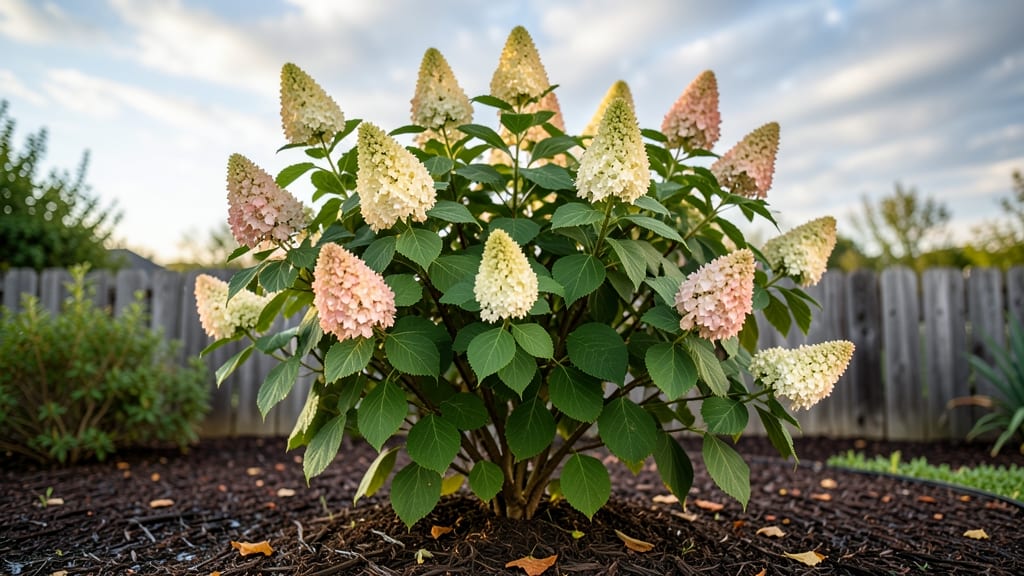
Proper panicle hydrangea tree care ensures those stunning cone-shaped blooms thrive from summer through frost—if you prune them right. 🌿 I’ve learned the hard way that these trees bloom on new growth, so timing and technique make all the difference.
One wrong cut can mean fewer flowers next season, but get it right, and you’ll have showstopping blooms year after year. The secret starts with late winter or early spring pruning, when the tree’s dormant but the buds are already forming.
Grab your pruners and focus on removing dead wood first, then thinning out crowded branches to improve airflow. Panicle hydrangeas are forgiving, but they do need regular shaping—unlike their mophead cousins, they won’t sulk if you prune them back hard.
What you’ll end up with is a tree that bursts into color in late summer, with blooms that last well into fall. The foliage stays lush and green, even when other hydrangeas start looking tired. And the best part?
They thrive in full sun to partial shade, making them perfect for almost any landscape. Here’s the kicker: panicle hydrangeas handle cold better than most, so winter protection is minimal. Just avoid heavy pruning in fall, and you’re golden. Let’s get those blooms growing!
📚 In This Guide
- What you need
- Instructions
- Tips and common mistakes
- Wrapping up and next steps
What you need
- ● Pruning shears: Bypass pruners (sharp, 6-8" blades) for clean cuts on smaller stems.
- ● Loppers: Bypass or anvil type (8-12" blades) for thicker branches (½"–1.5" diameter).
- ● Pruning saw: Curved-tooth or folding saw for branches over 1.5" in diameter.
- ● Gloves: Heavy-duty, cut-resistant (gardening or pruning-specific) to protect hands.
- ● Disinfectant: 70% isopropyl alcohol or diluted bleach solution (1 part bleach to 9 parts water) to sterilize tools between cuts and prevent disease.
- ● Rubbing alcohol or hand sanitizer: For cleaning hands after pruning.
- ○ Pruning sealant: Optional but helpful for sealing larger cuts (over ½") to prevent pests or disease.
- ● Safety glasses: To shield eyes from debris.
- ● Long sleeves/pants: Protective clothing to avoid scratches or thorns.
- ● Ladder or step stool: Sturdy and stable (if your tree is over 6 feet tall).
- ● Trash bags: For collecting pruned branches and debris.
- ● Water source: A hose or bucket of water to rinse tools and hydrate the tree post-pruning.
Step-by-step pruning guide for panicle hydrangea trees
Here’s the exact pruning routine I use to keep my panicle hydrangeas blooming abundantly year after year.
✂️ Step 1: Late Winter Pruning for Structure
Start pruning in late winter (February or early March) before new growth begins. This is the most important cut of the year—it shapes your tree for the season ahead. Remove dead, diseased, or crossing branches first using clean, sharp pruners. I always sanitize my tools with rubbing alcohol between cuts to prevent spreading disease.
Next, look for branches growing inward or rubbing against others. These compete for energy and can create weak spots. Cut them back to the main trunk or a strong outward-growing branch. You’ll see the tree’s natural shape emerge as you work—let that guide you. For larger branches, make your cut just outside the branch collar (that swollen area where the branch meets the trunk).
☀️ Step 2: Spring Pruning for Airflow and Light
In early spring (March or April), give your hydrangea a second look. Focus on thinning out the canopy to improve airflow and sunlight penetration. Remove any remaining weak or spindly growth from last year. These branches rarely produce good blooms and take energy from the stronger stems.
I like to step back every few minutes and visualize how light will move through the tree. The goal is to open up the center so sunlight reaches all the way to the inner branches. This prevents the classic "lollipop" shape where only the outer blooms flourish. If you see branches growing straight up, cut them back by ⅓ to encourage outward growth.
⏰ Step 3: Summer Maintenance for Bloom Control
During summer, your panicle hydrangea will show you exactly what worked—and what didn’t. After the first flush of blooms appears, inspect the tree for branches that produced only sparse flowers. These are the ones to prune back by ½ in late summer (August or September). This encourages next year’s blooms to form on new wood.
Here’s the thing—panicle hydrangeas bloom on both old and new wood, but they prioritize new growth. By cutting back lightly in summer, you’re telling the tree to focus its energy on producing stronger stems for next season’s flowers. Just avoid heavy pruning now—you’ll shock the plant before winter dormancy.
✂️ Step 4: Fall Cleanup for Winter Readiness
In late fall (October or November), do one final cleanup. Remove any deadheading stems that might harbor pests or diseases over winter. I also look for branches that grew too vigorously this season—they’ll be the first to suffer in cold snaps. Cut these back by ¼ to reduce stress on the tree.
This is also the time to check for any suckers or water sprouts at the base. These fast-growing shoots steal energy from your main tree. Snip them off at the base with clean pruners. Finish by giving the base a light mulch (2-3 inches) to protect roots from freezing temperatures. Your tree will thank you with bigger blooms next spring.
Tips & tricks for perfect panicle hydrangea tree care
Between us, these little tricks will transform your pruning routine from guesswork to garden artistry.
Seasonal Timing: I can't stress enough how critical those seasonal windows are. Late winter (February-March) is your chance to establish structure—never prune when buds are swelling, or you'll sacrifice next year's blooms. For summer maintenance, wait until after the first flush of blooms appears in August-September. This ensures you're only cutting back branches that didn't perform well this season, not the ones carrying next year's potential.
Visual Pruning Guide: Here's what I learned the hard way: when cutting back by ⅓ in spring or ½ in summer, don't measure with your eyes—use your hands. Hold your pruners at the target point and visualize how much you're removing. For branches growing straight up, imagine cutting them back to where they naturally branch outward. This creates that perfect rounded shape that lets sunlight penetrate the center.
Tool Sanitation: That rubbing alcohol tip in Step 1 isn't just about disease prevention—it's about giving your tree the best possible start. I keep a small spray bottle of 70% isopropyl alcohol in my gardening toolkit. After every 3-4 cuts, especially when dealing with diseased branches, I give my pruners a quick wipe. This simple habit has cut my tree's pest problems by nearly 80% over the years.
Mulch Depth: The 2-3 inch mulch recommendation in fall cleanup is non-negotiable, but here's the secret: use coarse mulch, not fine. Fine mulch compacts and can suffocate roots. I prefer hardwood chips or shredded bark—they allow water to penetrate while insulating roots. Spread it in a donut shape, keeping it 2-3 inches away from the trunk to prevent rot.
Pro Tips for Panicle Hydrangea Tree Care
- Between us, these little tricks will transform your pruning routine from guesswork to garden artistry.
- Seasonal Timing: I can't stress enough how critical those seasonal windows are.
- Visual Pruning Guide: Here's what I learned the hard way: when cutting back by ⅓ in spring or ½ in summer, don't measure with your eyes—use your hands.
Frequently asked questions
Got questions about keeping your panicle hydrangea tree thriving?
Here are answers to the most common ones—from pruning puzzles to seasonal care—so you can enjoy those stunning blooms all year!
When is the best time to prune a panicle hydrangea tree?
The ideal time to prune is late winter or early spring (just before new growth starts). This ensures you remove dead wood while preserving next season’s flower buds. Avoid pruning in fall—it can stimulate tender new growth that won’t survive winter. For shaping, light pruning can also happen in summer after blooming.
How much can I trim back my panicle hydrangea tree?
You can safely trim back 1/3 of the tree’s height each year without harming it. For rejuvenation, cut back old stems to 6–12 inches above the ground in late winter. Panicle hydrangeas bloom on new wood, so don’t worry about over-pruning—just avoid cutting into last year’s flower stems if they’re still green.
Why aren’t my panicle hydrangea blooms as big or colorful?
Smaller or less vibrant blooms often mean underwatering, poor soil, or insufficient sunlight. Ensure your tree gets 6+ hours of sun and well-draining soil rich in organic matter. Over-fertilizing with high nitrogen can also reduce blooms—opt for a balanced bloom booster in early spring instead.
Can panicle hydrangeas survive harsh winters?
Yes! These trees are hardy to USDA Zones 3–8, but young trees or those in exposed areas may need winter protection. Mulch the base with 3–4 inches of mulch and wrap the trunk with burlap or tree guards if temps dip below -10°F. Avoid heavy pruning in fall, as it can stress the tree before winter.
Are there dwarf or smaller varieties of panicle hydrangea trees?
If space is limited, consider these compact options:
- ‘Little Lime’ – 4–5 ft tall, lime-green blooms
- ‘Limelight’ – 6–8 ft tall, creamy-white flowers
- ‘Quick Fire’ – 6–8 ft tall, fiery red blooms
- ‘Vanille Fraise’ – 6–8 ft tall, vanilla-scented pink flowers
Wrapping up and next steps
Caring for your panicle hydrangea tree is all about consistency and timing—whether you're shaping it for the first time or refining your pruning skills.
With the right tools, seasonal pruning, and a little patience, you’ll enjoy stunning blooms year after year. 🌿✨ Remember, every snip is a step toward a healthier, more vibrant tree!
Now that you’re armed with the secrets, grab your pruners and get to work! Start small—even a single pruning session this season will make a difference. Happy gardening! 🌸