
Shrubs
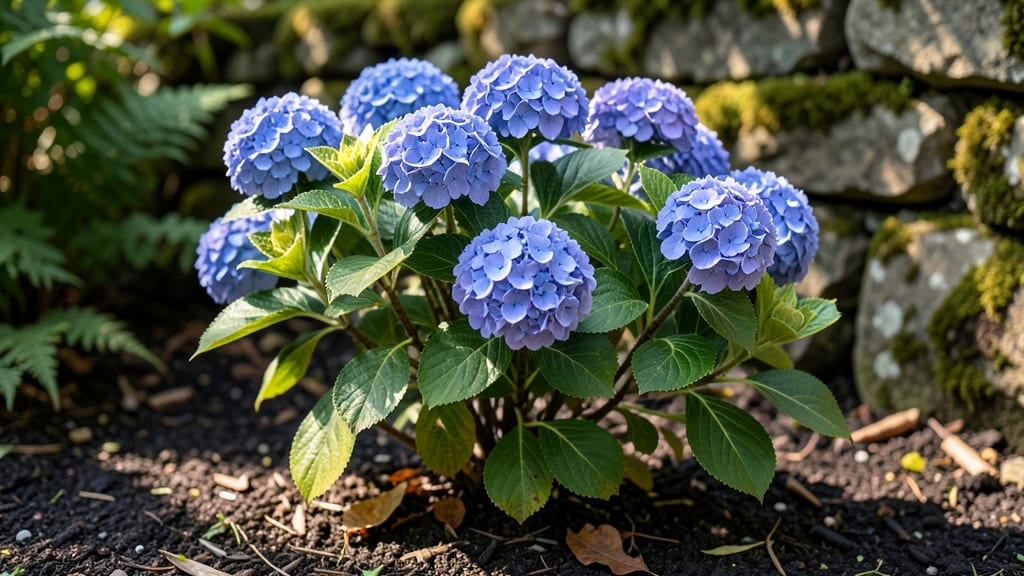
Growing Rose Sensation false hydrangea transforms small spaces into romantic vertical gardens. 🌿 This climbing beauty produces delicate, rose-like blooms that cascade down trellises or poles, creating a lush, living curtain. Unlike traditional roses, it thrives with minimal fuss—just the right soil, sunlight, and occasional pruning.
The secret to its success lies in well-draining soil rich in organic matter, combined with morning sun and afternoon shade to prevent leaf scorch. Water consistently during the first year to establish strong roots, then taper off once established—this plant hates soggy feet.
Prune in late winter to shape growth and encourage abundant blooms, but avoid cutting into old wood. By summer, you’ll be rewarded with clusters of pinkish-white flowers that resemble roses but stay fresh for weeks. The foliage turns a stunning bronze in fall, adding seasonal interest.
Even in winter, the exfoliating bark adds texture to bare branches. Perfect for small yards, patios, or even container training on a sturdy post. With the right care, Rose Sensation becomes the star of any garden—without taking up valuable ground space. Let’s get it growing!
📚 In This Guide
- What you need
- Instructions
- Tips and common mistakes
- Wrapping up and next steps
What you need
- ● Rose Sensation False Hydrangea (Hydrangea paniculata) – 1 mature plant (3–5 gallons) or 3–5 young nursery plants (1-gallon pots) for fuller growth.
- ● Pole or trellis – 6–8 ft tall, sturdy (bamboo, metal, or wooden). Pro tip: 💡 Use a 3-inch diameter pole for stability.
- ● Garden soil – Well-draining, rich in organic matter (amend with compost if needed).
- ● Mulch – 2–3 inches of shredded bark or pine needles to retain moisture.
- ● Balanced fertilizer – 10-10-10 or slow-release granules (follow package rates).
- ● Soft plant ties or twine – 10–15 ft (jute or fabric-based to avoid damaging stems).
- ● Pruning shears – Sharp, clean (sterilize with rubbing alcohol between cuts).
- ● Watering can or hose with gentle spray nozzle – For deep, even hydration.
- ● Epsom salt – 1 tbsp per gallon of water (monthly for vibrant blooms).
- ● Copper wire or spiral plant ties – For extra support during training.
- ● Decorative pole wrap – Burlap or lattice for a rustic, garden-ready look.
- ● Slow-release stakes – To secure the pole if in windy areas.
Step-by-step instructions for pole-training Rose Sensation false hydrangea
This striking variety thrives when trained vertically—here’s how to create a stunning, space-saving display.
🌱 Step 1: Select and Prepare Your Trellis or Pole
Choose a 6-foot tall, sturdy trellis or pole with a 2-3 inch diameter for stability. I like bamboo or metal poles because they’re lightweight yet strong enough to support the hydrangea’s eventual weight. Secure the base with 3 concrete anchors or bury it 12 inches deep in soil to prevent tipping.
Run a ½-inch thick jute twine or soft garden tape vertically along the pole. This creates a gentle guide for the stems without causing abrasions. Avoid wire or anything sharp—it’ll damage the tender new growth as you train it upward. The twine should run the full height of the pole, with small loops spaced 6 inches apart for easy tying.
🌿 Step 2: Plant and Prune for Vertical Growth
Plant your Rose Sensation false hydrangea in a location with partial shade to full sun (at least 4-6 hours of morning sun protects the blooms from afternoon heat). Dig a hole twice as wide as the root ball but no deeper—this encourages surface root growth. Amend the soil with 2 inches of compost mixed into the bottom of the hole for nutrients.
After planting, prune the plant back by ⅓ to encourage bushier growth. Remove any weak or crossing stems at the base, leaving only 3-5 strong stems. This initial pruning sets the stage for better air circulation and stronger vertical growth. Water deeply right after planting to settle the soil around the roots.
✂️ Step 3: Train and Tie New Growth
As new shoots emerge in spring, select the 3-4 strongest stems and gently weave them around the twine loops. I start training when shoots reach 6-8 inches tall—any shorter and they’ll snap when tied. Use soft cotton ties or Velcro plant straps to secure the stems without crushing them. Adjust the ties every 2-3 weeks as the stems grow thicker.
Here’s the thing—don’t rush the training. Let the plant grow 12-18 inches between each tie point. You’ll see the stems naturally curve upward toward the light, making the process easier. If a stem grows too long between ties, it’ll flop—just add an extra loop and adjust. Prune any side shoots that form below the first 2 feet to focus energy on vertical growth.
💧 Step 4: Maintain Moisture and Fertility for Optimal Blooms
Water deeply 2-3 times per week during the growing season, aiming for 1-1.5 gallons per plant. False hydrangeas thrive on consistent moisture—let the top 2 inches of soil dry out between waterings, but never let it stay bone-dry. Mulch with 2-3 inches of shredded bark to retain moisture and regulate soil temperature.
Feed with a balanced 10-10-10 fertilizer every 4-6 weeks during the growing season. I switch to a low-phosphorus fertilizer in late summer to encourage next year’s blooms. Watch for yellowing leaves—this usually means the plant needs more iron or is thirsty. A foliar spray of chelated iron can fix it quickly if the soil pH is too high.
☀️ Step 5: Prune and Prepare for Winter
In late fall, prune back the current season’s growth by ⅓ to clean up the structure. Remove any dead or diseased stems completely, and cut back healthy growth to just above a strong bud or set of leaves. This encourages new, vigorous growth in spring. Avoid heavy pruning in late winter—wait until you see new shoots emerging before making cuts.
Wrap the base of the plant with burlap or frost cloth if your winters dip below 15°F. While false hydrangeas are hardy, young plants or those in exposed areas benefit from extra protection. Mulch the base with 4-6 inches of straw to insulate the roots. In spring, remove the wrap as soon as you see new growth—this prevents the plant from overheating too soon.
Tips & tricks for pole-trained Rose Sensation hydrangea
Transforming your Rose Sensation hydrangea into a vertical masterpiece takes patience—but these insider tricks will make the process smoother and more rewarding.
Pole Selection Wisdom: While bamboo or metal poles work beautifully, consider a trellis with diagonal supports if you want to create a cascading effect. The key is ensuring your pole can handle the plant's eventual weight—especially after heavy blooms. I've seen 6-foot poles bend under the weight of fully mature hydrangeas, so always test stability by gently pushing the top before planting. For urban gardens, I recommend metal poles with powder coating—they resist rust and last for years.
Training Timing Secret: The 6-8 inch height guideline for tying new growth is perfect, but here's what nobody tells you: morning is the best time to train. Shoots are turgid (firm) after a night's water absorption, making them less likely to snap when you weave them around the twine. Afternoon heat can make stems more brittle. Also, always tie at a 45-degree angle rather than straight up—this natural growth habit prevents the stems from stretching awkwardly toward the light.
Watering Strategy: Those 2-3 waterings per week should happen in the morning to prevent fungal issues. I've noticed that 1-1.5 gallons per plant is ideal, but during extreme heat (above 90°F), I increase to 2 gallons daily and water in the evening instead. The secret is checking soil moisture at 2 inches deep—if it's dry, water; if it's damp, wait. Overwatering is just as damaging as underwatering for these plants.
Winter Protection Hack: For areas with winters dipping below 15°F, I've found that wrapping the pole itself with bubble wrap before adding frost cloth creates an extra insulating layer. The bubble wrap traps heat while allowing air circulation. Remove it in early spring when you see new growth—this prevents the plant from overheating too quickly as temperatures rise. This simple addition has saved my hydrangeas from frost damage in -5°F winters.
Pro Tips for Rose Sensation False Hydrangea
- Transforming your Rose Sensation hydrangea into a vertical masterpiece takes patience—but these insider tricks will make the process smoother and more rewarding.
- Pole Selection Wisdom: While bamboo or metal poles work beautifully, consider a trellis with diagonal supports if you want to create a cascading effect.
- Training Timing Secret: The 6-8 inch height guideline for tying new growth is perfect, but here's what nobody tells you: morning is the best time to train.
Frequently asked questions
How fast does Rose Sensation False Hydrangea grow?
Rose Sensation grows at a moderate pace—about 12–24 inches per year under ideal conditions. With proper pruning and support (like a trellis or pole), it can reach 6–8 feet tall in just a few seasons. Patience pays off for those stunning, cascading blooms!
Does it need full sun to thrive?
While it tolerates full sun, Rose Sensation actually prefers partial shade (especially in hot climates). Aim for morning sun and afternoon shade to prevent leaf scorch. If grown in full sun, keep the soil consistently moist—it’s a key to happy hydrangeas!
Why aren’t my blooms as vibrant as in the photos?
Faded blooms often mean nutrient deficiency or pH imbalance. False hydrangeas thrive in acidic soil (pH 5.0–6.0). Test your soil and amend with sulfur or peat moss if needed. Also, feed with a balanced fertilizer in spring for richer colors!
Can I grow Rose Sensation in containers?
Use a large pot (15+ gallons) with drainage holes and a well-draining potting mix. Keep it moist but not soggy and fertilize monthly during growing season. Just be ready to winter-protect potted plants in cold zones!
When and how should I prune it?
Prune late winter or early spring (before new growth starts). Remove dead or weak stems first, then shape lightly to encourage bushiness. For pole-trained growth, cut back 1/3 of the oldest stems to promote new blooms. Avoid heavy pruning after mid-summer—it can reduce next year’s flowers!
Wrapping up and next steps
The Rose Sensation false hydrangea isn’t just a shrub—it’s a statement piece for small gardens! With its stunning foliage, compact growth, and easy care, it’s the perfect way to add year-round elegance without sacrificing space. Whether you’re a beginner or a seasoned gardener, this beauty thrives with minimal effort, making it a win-win for your outdoor oasis.
Ready to transform your garden? Start by selecting the right spot, gathering your tools, and giving this showstopper the love it deserves. Your green thumb is about to shine brighter than ever! 🌿✨