
Pruning
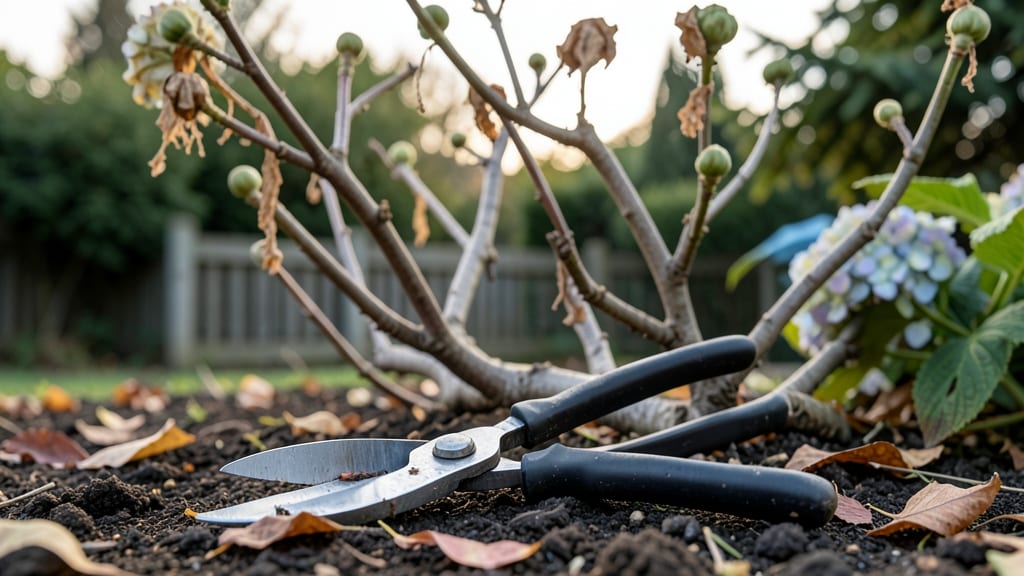
Should I cut down my hydrangea for winter? The answer depends on timing—mopheads and lacecaps bloom on old wood, while panicle and smooth hydrangeas bloom on new growth. on new growth. In colder zones (USDA 5-7), hold off until late winter or early spring to avoid frost damage.
Most gardeners wait until late February or March in warmer climates (zones 8+) or late March to April in colder regions. This gives you a head start on shaping the plant while protecting next year’s buds.
If your hydrangeas are already dead-looking, they’re likely fine—just wait until after the last frost before pruning.
When you do prune, focus on removing dead stems and thinning out crowded branches. For old-wood bloomers, never cut back more than 1/3 of the plant—this preserves next year’s flower buds hidden in the stems. The result? A fuller, healthier plant that bursts into color earlier than ever.
Pro tip: If you’re unsure about your hydrangea type, snap a photo and check the buds—if they’re plump and swollen in early spring, they’re old-wood bloomers and need gentle treatment. For new-wood types, you can prune more aggressively in late winter. Either way, patience pays off with stunning summer blooms.
📚 In This Guide
- What you need
- Instructions
- Tips and common mistakes
- Wrapping up and next steps
What you need
- ● Pruning shears – Bypass pruners (sharp, clean, and sterilized with rubbing alcohol or bleach to prevent disease). Quantity: 1 pair.
- ○ Loppers – For thicker stems (if your hydrangea has woody branches). Quantity: 1 pair (optional but helpful).
- ● Gloves – Garden gloves (thick, cut-resistant) to protect your hands from thorns or rough stems. Quantity: 1 pair.
- ● Disposable pruning bags – To collect and dispose of cuttings. Quantity: 1-2 bags (or a small trash bin).
- ● Rake or broom – For clearing away fallen leaves/debris after pruning. Quantity: 1.
- ● Mulch – Shredded bark, straw, or pine needles (2-4 inches deep) to insulate roots. Quantity: Enough to cover the base of the plant.
- ● Watering can or hose – To hydrate the plant before and after pruning. Quantity: 1.
- ● Hand sanitizer or soap – For cleaning hands between cuts (keeps tools and plants healthy!).
- ● Plant tie or twine – If your hydrangea is large and needs support after pruning.
- ● Fungicide spray – Copper-based or neem oil (if your area has fungal risks).
- ● Notebook & pen – To jot down notes on which stems you pruned (helpful for tracking growth next season!).
- ● Knee pads – Because gardening is way easier on the knees! 😉
Instructions for pruning hydrangeas before winter
Here's how to prepare your hydrangeas for winter without risking next year's flowers.
Identify Your Hydrangea Type
First, determine if your hydrangea is a mophead, lacecap, or panicle type—this changes everything. Mopheads and lacecaps bloom on old wood (last year's growth), while panicle types bloom on new wood (current season's growth). Look for last year's flower heads still clinging to the stems; if they're present, you're dealing with old-wood bloomers.
If you're unsure, check the plant tags or take a photo and compare it to online resources. I've seen gardeners accidentally prune off next year's buds by cutting back old-wood types too early. Panicle hydrangeas, like 'Limelight,' are the only ones you can cut back hard in winter—they'll still produce flowers from new growth.
Prune Old-Wood Hydrangeas in Late Winter
For mopheads and lacecaps, wait until late winter or early spring—typically February or March—when the plant is still dormant but before new buds swell. Cut back only the dead flower heads, removing them just above the first set of healthy buds. Never remove more than 1/3 of the plant, as this weakens the shrub's ability to produce next year's blooms.
Use clean, sharp pruners to make 45-degree cuts just above a leaf node. If you're unsure where the buds are, look for small, plump swellings along the stems. Avoid cutting into old, woody stems—this exposes the plant to disease. I like to prune on a dry day when the plant isn't stressed from cold or wind.
Prune New-Wood Hydrangeas in Early Spring
Panicle hydrangeas, like 'Little Lime' or 'Grandiflora,' should be pruned in early spring—around March or April—just as new growth begins. Cut back 1/3 of the plant to encourage bushier growth and larger blooms. Remove any dead, damaged, or crossing branches first, then shape the plant by thinning out older stems to allow light and air circulation.
For panicle types, you can also do a renewal prune in late winter by cutting back half the oldest stems to the ground. This rejuvenates the plant and prevents it from becoming overcrowded. Just avoid pruning too late in spring—you want to give the plant enough time to develop new growth before summer heat sets in.
Clean Up and Protect the Plant
After pruning, remove all debris from the base of the plant and around the garden bed. This prevents pests and diseases from overwintering. If you're in a cold climate (below 10°F), consider wrapping the plant with burlap or frost cloth to protect it from harsh winds and freezing temperatures. I've seen hydrangeas survive winter just fine without wrapping, but in extreme cold, a little extra protection goes a long way.
Mulch the base of the plant with 2-3 inches of organic mulch, like shredded bark or leaves, to insulate the roots. Keep the mulch 6 inches away from the stem to prevent rot. Water the plant deeply before the first hard freeze if your area hasn't had significant rainfall—hydrated roots are more resilient in cold weather.
Monitor and Adjust for Next Year
In early spring, check your hydrangeas for signs of new growth. If you pruned too late, you might see leggy or sparse growth—this means the plant didn't have enough time to recover. Adjust your timing next year by pruning 4-6 weeks earlier. Keep an eye out for buds forming along the stems; these are your signal that the plant is healthy and ready to bloom.
If you notice any yellowing leaves, wilting, or no new growth in spring, it could indicate over-pruning, disease, or root damage. In this case, avoid pruning further and focus on improving soil health with compost or organic fertilizer. Hydrangeas are forgiving, but consistency in timing and care makes all the difference.
Tips & tricks for pruning hydrangeas before winter
Timing and technique make all the difference when preparing hydrangeas for winter—here's how to avoid common mistakes and ensure next year's blooms.
Identify First: Before you even touch your pruners, take 10 minutes to identify your hydrangea type. Look for last year's flower heads still attached—if they're there, you're dealing with old-wood bloomers (mopheads or lacecaps) that need gentle winter pruning. Panicle types like 'Limelight' are the only ones you can cut back hard in winter, but I've seen gardeners accidentally prune off next year's buds by cutting too early on old-wood varieties. A quick photo comparison with plant tags or online resources saves hours of regret later.
Timing is Everything: The February-March window for old-wood hydrangeas is narrower than you think. Prune too early, and you risk cutting off next year's flower buds before they form. Prune too late, and you stress the plant before winter dormancy. I always check for those small, plump buds along the stems—when they're just starting to swell (but haven't broken yet), that's your cue. For panicle types, early spring (March-April) gives the plant time to develop new growth before summer heat arrives. Mark your calendar now!
Precision Cuts Matter: Those 45-degree cuts aren't just for looks—they prevent water from pooling on the stem, which can lead to rot. When you cut just above a leaf node (where those plump buds form), you're encouraging new growth in exactly the right place. I like to make my cuts on a dry day when the plant isn't stressed from wind or cold. And here's a pro move: after each cut, wipe your pruners with rubbing alcohol to prevent spreading disease between cuts. It takes 30 seconds but saves your entire plant.
Cold Climate Protection: If your thermometer regularly dips below 10°F, don't skip the protective measures. I've seen hydrangeas survive winter just fine without wrapping, but in extreme cold, that extra layer of burlap or frost cloth can mean the difference between a thriving plant and a sad, frozen skeleton. The key is proper technique: wrap loosely enough to allow airflow, and secure it with twine or stakes. For the roots, that 2-3 inches of mulch acts like a winter blanket—just keep it 6 inches away from the stem to prevent rot. And don't forget to water deeply before the first hard freeze if your area has been dry.
Pro Tips for Should I Cut Down My Hydrangea For Winter
- Timing and technique make all the difference when preparing hydrangeas for winter—here's how to avoid common mistakes and ensure next year's blooms.
- Identify First: Before you even touch your pruners, take 10 minutes to identify your hydrangea type.
- Timing is Everything: The February-March window for old-wood hydrangeas is narrower than you think.
Frequently asked questions
Got questions about winterizing your hydrangeas? You’re not alone! Here are answers to the most common concerns—so you can prune with confidence and keep those blooms thriving next year.
When is the absolute latest I can cut back my hydrangeas before winter?
For most hydrangeas (except Oakleaf or Panicle types), aim to finish pruning by mid-to-late fall (October–November, depending on your climate). Cutting too late risks exposing fresh cuts to harsh winter winds or frost, which can stress the plant. If you miss the window, wait until early spring—just prune after new growth appears to avoid damaging dormant buds.
Do I need to cover my hydrangeas for winter if I cut them back?
Pruning reduces the need for winter protection, but coverage still helps in cold or windy climates. For mature hydrangeas, wrap the base with burlap or frost cloth and mound mulch (3–4 inches) around the roots. Younger plants or tender varieties (like Bigleaf) may need extra insulation—like a lightweight row cover—if temps dip below 10°F (-12°C).
What if I accidentally cut off next year’s flower buds?
Don’t panic! Most hydrangeas produce buds on new wood (except Old Garden types like Hortensia, which bloom on old wood). If you prune too late or aggressively, focus on stimulating fresh growth next spring with balanced fertilizer. For Bigleaf or Smooth hydrangeas, prune right after blooming to avoid this issue entirely.
Can I prune hydrangeas in winter if there’s no snow or frost?
Winter pruning is risky unless temps are stable above freezing. Dormant plants are vulnerable to bacterial infections or dieback from cold snaps. If you must prune in winter (e.g., removing dead wood), do it on a mild, dry day and sterilize tools with rubbing alcohol. Otherwise, wait for early spring—just avoid pruning too early before buds swell.
What’s the easiest way to tell if my hydrangea is dead after winter?
Check for green buds at the base of stems (even if they’re tiny) or flexible, not brittle canes. Scratch a small section of bark—if it’s green underneath, the plant’s alive! For stubborn cases, wait until late spring; hydrangeas often rebound. If no growth appears by May, the plant may be beyond saving, but replace it with a new one for next year’s blooms!
Still unsure? Drop your hydrangea type and zone—we’re happy to help troubleshoot!
Wrapping up and next steps
Deciding whether to cut down your hydrangeas for winter comes down to timing, variety, and care. If you’re growing mophead or bigleaf types, wait until late winter or early spring to prune—this preserves next year’s blooms.
For panicle or oakleaf hydrangeas, a light trim in late winter is safe. Protect your plants with mulch and avoid harsh cuts now, and you’ll set the stage for stunning blooms in spring! 🌸
Ready to give your hydrangeas the TLC they deserve? Grab your pruners, check the forecast, and plan your pruning session—your future floral displays will thank you!