
Aphids
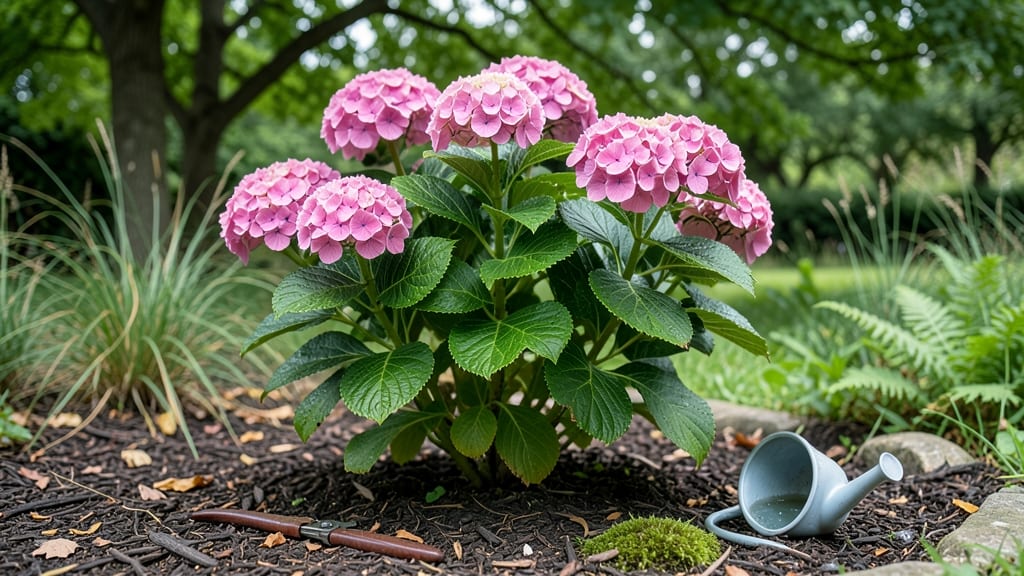
Growing wedding bell hydrangea transforms any space into a romantic vertical garden. 🌿 These elegant shrubs produce clusters of white bell-shaped blooms that cascade beautifully when trained up a trellis or pole.
My first year with them taught me how their compact growth and delicate flowers thrive with the right care. The secret lies in well-draining soil rich in organic matter—think compost mixed with perlite.
They crave morning sun and afternoon shade, especially in hotter climates, and need consistent moisture to keep those blooms plump. Pruning after flowering ensures next year's display will be even more spectacular. By midsummer, you'll have lush foliage and fragrant flowers that last for weeks.
The best part? Their pest resistance means fewer headaches than other hydrangeas. With proper training, they'll create a stunning focal point that turns heads at any garden party. Perfect for small spaces, patios, or even container gardens.
Once established, they're low-maintenance but high-impact—exactly the kind of plant that makes gardening feel like magic.
📚 In This Guide
- What you need
- Instructions
- Tips and common mistakes
- Wrapping up and next steps
What you need
- ● Wedding Bell Hydrangea (Hydrangea paniculata 'Grandiflora') – 1 bare-root or container-grown plant (3–4 feet tall at maturity).
- ● Support structure – A sturdy trellis, arbor, or pole (at least 6–8 feet tall, made of wood, metal, or PVC). Ensure it’s buried or anchored to prevent tipping.
- ● Pruning tools – Bypass pruners (for clean cuts) and hand pruners (for smaller branches).
- ● Garden twine or soft ties – Jute or fabric ties (3–4 inches wide) to secure branches without damaging them.
- ● Well-draining soil mix – Native soil amended with compost (or a 50/50 blend of topsoil and compost for containers).
- ● Mulch – Organic mulch (wood chips or shredded bark) to retain moisture and regulate temperature.
- ● Watering can or hose with a gentle spray nozzle – For deep, consistent watering.
- ● Gloves – Garden gloves to protect hands during pruning and training.
- ● Fertilizer – Balanced, slow-release granular fertilizer (10-10-10 or similar) or hydrangea-specific food.
- ● Potting soil & container – If planting in a large container (at least 15–20 gallons) for urban or small-space gardening.
- ○ Plant supports (optional) – Soft plant ties or Velcro straps for easier adjustments as the hydrangea grows.
- ○ Pruning sealant (optional) – Pruning wax to prevent disease entry on larger cuts.
- ● A sunny to partially shaded location (6+ hours of sunlight for optimal blooms).
- ● Well-draining soil (hydrangeas hate soggy roots!). Test soil pH—Wedding Bell Hydrangeas thrive in slightly acidic to neutral soil (pH 6.0–7.0).
- ● Patience and commitment – Pole training takes 1–2 seasons to achieve full vertical elegance!
Step-by-Step guide to training Wedding Bell hydrangea vertically
Here's how to transform sprawling hydrangeas into a stunning vertical display using simple pole training.
🪴 Step 1: Select and Prepare Your Training Pole
Choose a 4-6 foot tall wooden or bamboo stake for each plant—Wedding Bell Hydrangeas need sturdy support. I like to use 1-inch diameter cedar stakes because they resist rot and blend with garden aesthetics. Drive the stake 6-8 inches deep into the soil next to your hydrangea, positioning it on the plant's strongest side where the main stem naturally leans.
For extra stability, especially in windy areas, tie the stake to the plant with soft garden twine at the base. Make a loose figure-eight knot that won't cut into the stem as it grows. The goal is to create a gentle guide, not a rigid cage—you want the plant to grow toward the pole naturally, not be forced against it.
🌿 Step 2: Train the Main Stem and First Branches
When new growth appears in spring, identify the strongest upward-growing stem—this will be your main vertical leader. Gently tie this stem to the pole using soft plant ties (never wire or anything that can girdle the stem). Make the first tie about 6 inches above the soil line and space subsequent ties 12-18 inches apart as the stem grows.
Here's the thing—you'll want to encourage lateral branches to form at the nodes where you make each tie. When you see a side shoot developing, let it grow 4-6 inches long before tying it horizontally along the pole. This creates those elegant cascading layers that Wedding Bell Hydrangeas are famous for. I always check my plants every 7-10 days during active growth to ensure no branches are getting pinched or restricted.
✂️ Step 3: Prune for Vertical Structure
In late winter or early spring, before new growth begins, perform your structural pruning. Remove any dead or crossing branches first—these compete with your vertical design. Then, cut back the previous year's growth to just above a strong outward-facing bud at about 12-18 inches from the base. This forces energy into developing new vertical growth.
Throughout the growing season, watch for any branches growing too vertically. When they reach about 8-10 inches, gently bend them to grow horizontally along the pole. You can use plant clips or even your fingers to guide them—just be gentle to avoid breaking tender stems. The key is to create that tiered, bell-like shape that gives Wedding Bell its name.
💧 Step 4: Maintain Water and Support Through the Season
Vertical hydrangeas need consistent moisture to support their upward growth. Water deeply 2-3 times per week until the top 6 inches of soil feel moist—these plants are heavy when fully laden with blooms. I always water in the morning so the foliage has time to dry before evening, which helps prevent fungal issues.
Check your ties every 4-6 weeks throughout the growing season. As the stems thicken, the original ties may become too tight. Replace them with new ties higher up the pole, cutting away the old ties completely. Never leave old ties on—you'll see stems with permanent indentations where they've grown against tight restraints. Also, watch for any branches that might be getting too heavy for their ties, especially as flower clusters develop.
☀️ Step 5: Winter Protection for Vertical Plants
Before your first hard frost, wrap the base of your hydrangea with 4-6 inches of mulch to protect roots. For the vertical structure itself, I like to wrap the entire plant (including the pole) with burlap or frost cloth secured with twine. This prevents winter winds from damaging the tender stems and keeps snow from breaking branches.
Remove the winter wrap as soon as you see new growth in spring—usually within 2-3 weeks of the last frost. The moment you see those first tender leaves, unwrap carefully to avoid damaging emerging shoots. This early protection is crucial because vertical hydrangeas have less natural support against winter elements than ground-level plants.
Tips & tricks for perfect vertical Wedding Bell hydrangea training
Transforming sprawling hydrangeas into elegant vertical displays takes patience—but these tricks will help you avoid common pitfalls and create stunning results.
Pole Positioning Matters: When placing your 4-6 foot stake, position it on the plant's strongest side where the main stem naturally leans. This creates a more natural growth pattern rather than forcing the plant unnaturally. I always check for the most robust stem before driving the stake—this single decision determines how straight your final display will grow. The 6-8 inch depth is crucial too; any shallower and the stake might topple in windy conditions.
Tie Technique is Everything: In Step 2, when making your first tie at 6 inches above soil level, use soft plant ties—not wire or anything that can girdle the stem. I've learned this the hard way: tight ties create permanent indentations as the stem grows. For the subsequent ties every 12-18 inches, make them just snug enough to guide growth but loose enough to allow the stem to thicken naturally. Think "gentle guidance" rather than "restraint"—this creates stronger stems over time.
Pruning for Structure: During your late winter pruning in Step 3, focus on creating that tiered bell shape by cutting back to strong outward-facing buds at 12-18 inches. Here's what nobody tells you—when you see branches growing too vertically (about 8-10 inches), gently bend them horizontally along the pole. Use plant clips or even your fingers to guide them, but be gentle! The goal is to create those cascading layers that make Wedding Bell hydrangeas so stunning. I always check my plants every 7-10 days during active growth to ensure no branches are getting pinched.
Watering Wisdom: The 2-3 times per week watering in Step 4 is non-negotiable for vertical plants—they're much heavier when fully laden with blooms. I've seen beautiful vertical displays ruined by underwatering during bloom time. Water deeply until the top 6 inches of soil feel moist, and always in the morning. This gives foliage time to dry before evening, which dramatically reduces fungal issues. For extra insurance, I add a 2-inch layer of mulch around the base to help retain moisture.
Pro Tips for Wedding Bell Hydrangea
- Transforming sprawling hydrangeas into elegant vertical displays takes patience—but these tricks will help you avoid common pitfalls and create stunning results.
- Pole Positioning Matters: When placing your 4-6 foot stake, position it on the plant's strongest side where the main stem naturally leans.
- Tie Technique is Everything: In Step 2, when making your first tie at 6 inches above soil level, use soft plant ties—not wire or anything that can girdle the stem.
Frequently asked questions
Got questions about growing wedding bell hydrangea? You’re not alone! Whether you're a first-time gardener or a seasoned green thumb, these answers will help you master this stunning vertical plant. Let’s dive in!
What’s the best time to plant wedding bell hydrangea?
Plant your Hydrangea paniculata in early spring or fall for optimal root establishment. Avoid extreme heat or frost—spring planting gives roots time to settle before summer’s intensity. If transplanting, water deeply and mulch to retain moisture.
How long does it take for wedding bell hydrangea to bloom?
Patience is key! Most varieties bloom in 2–3 years from planting, but some may take up to 5 years for full, lush blooms. Prune in late winter to encourage stronger growth and earlier flowers. Fertilize lightly in spring for a head start.
What pests or diseases should I watch for?
Common issues include aphids, powdery mildew, and scale insects. Keep plants well-spaced for airflow, and spray with neem oil or insecticidal soap if pests appear. Prune affected leaves promptly to prevent spread.
Can I grow wedding bell hydrangea in containers?
Choose a large container (15+ gallons) with drainage holes and use well-draining soil. Dwarf varieties like ‘Little Lime’ thrive in pots. Water consistently—containers dry out faster—and fertilize monthly during growing season.
How do I train it to climb a trellis or pole?
Use soft ties (like garden twine) to gently guide stems along the trellis as they grow. Avoid wrapping tightly—hydrangeas need flexibility. Prune side branches to encourage upward growth. With time, you’ll get that romantic, cascading look!
Pro Tip:
For bigger blooms, deadhead spent flowers in early summer. This redirects energy to next year’s showstopping blossoms! Plus, it keeps your plant looking tidy year-round.
Wrapping up and next steps
Transforming your garden with Wedding Bell Hydrangea isn’t just about adding beauty—it’s about crafting a statement of vertical elegance. These stunning climbers thrive with the right care, offering lush blooms and effortless charm for years to come.
Whether you’re a seasoned gardener or just starting, their adaptability makes them a fantastic choice for any outdoor space.
Ready to elevate your garden? Start by selecting the perfect spot, gathering your tools, and giving these hydrangeas the love they deserve. Your dream vertical garden awaits—let’s make it bloom! 🌸