
Aphids
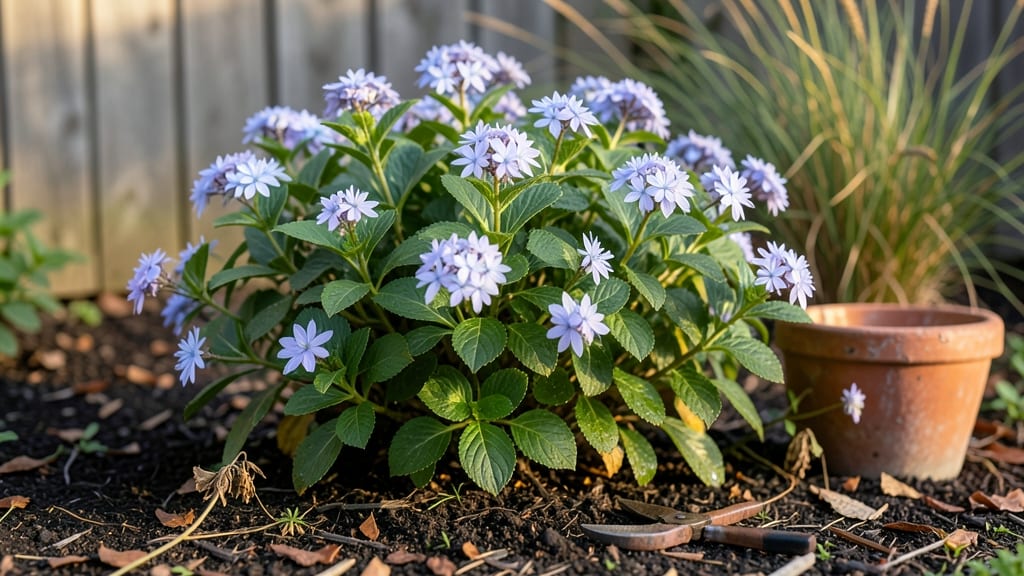
The smallest hydrangea varieties stay under 2 feet tall while packing the same bold blooms you love—perfect for tiny spaces, balconies, or even window boxes.
If you dream of hydrangeas but lack space, don’t despair—there are stunning compact varieties that thrive in tight spots while delivering the same show-stopping blooms. Discover the tiniest hydrangeas that stay under 2 feet tall and how they can transform even the smallest garden or container.
These pint-sized powerhouses like 'Little Lime' and 'Mini Penny' grow just 1-2 feet tall but still produce clusters of vibrant blooms, making them ideal for urban gardens, patio pots, or hanging baskets. Unlike their larger cousins, they require less pruning and adapt easily to containers.
Below, I’ll share the top 5 dwarf hydrangeas, their care secrets, and why they outshine bigger varieties in small spaces—plus how to keep them thriving year after year.
Top 5 smallest hydrangea varieties under 2 feet tall
If you love the romantic charm of hydrangeas but struggle with limited space, these miniature varieties are your perfect solution. Unlike their towering cousins, these compact hydrangeas stay under 2 feet tall while still delivering vibrant blooms and lush foliage.
Whether you're growing on a balcony, in window boxes, or tucked into a small garden corner, these varieties bring big personality to tiny spaces.
What makes these hydrangeas so special? They're low-maintenance, fast-growing, and adaptable to containers or ground planting. Many even thrive in partial shade, making them ideal for urban gardens or shady patios.
Below, I’ve rounded up the five smallest hydrangea varieties you can grow, complete with their unique traits, color ranges, and care essentials to help you pick the perfect fit for your space.
⚠️ NON-NEGOTIABLE: If you're new to hydrangeas, remember that soil pH dramatically affects bloom color—acidic soil (pH 5.0-6.0) produces blue blooms, while alkaline soil (pH 6.0-7.0) yields pink flowers. Test your soil before planting to get the colors you love!
| Variety | Mature Height | Bloom Color | Sunlight Needs | Best For |
|---|---|---|---|---|
| Little Lime® | 12-18 inches | Lime green | Partial shade | Containers, borders |
| Penny Mac® | 18-24 inches | Pink (pH-dependent) | Partial sun | Window boxes, patios |
| Mini Penny® | 12-15 inches | Pink | Partial shade | Balconies, fairy gardens |
| Endless Summer® 'Blushing Bride' | 18-24 inches | White/pink | Full sun to partial shade | Year-round blooms |
| Little Quick Fire® | 12-18 inches | Red | Partial sun | Borders, containers |
Let’s dive into the standout features of each variety. Little Lime® is a showstopper with its lime-green blooms, making it perfect for modern gardens or as a container centerpiece.
This variety stays true to its name—compact and cheerful—while thriving in partial shade, which is ideal for shady balconies or north-facing patios. Its small size (12-18 inches) makes it one of the easiest hydrangeas to grow in window boxes or hanging baskets.
If you prefer classic pink blooms, Penny Mac® is a must-have. This variety is hardy and adaptable, growing 18-24 inches tall and producing large, lush blooms that rival much taller hydrangeas.
It’s also a re-bloomer, meaning it produces two flushes of flowers per season—one in early summer and another in fall. For urban gardeners, this variety is a game-changer
How to grow tiny hydrangeas in containers: step-by-step guide
Container gardening opens up endless possibilities for growing miniature hydrangeas in spaces as small as a balcony or windowsill. These dwarf varieties thrive in pots, offering vibrant blooms without the space demands of their larger cousins.
The key to success lies in selecting the right container size, soil mix, and care routine tailored to their compact nature.
When choosing your container, opt for at least a 12-inch diameter pot with drainage holes to prevent root rot. Smaller pots may restrict growth, while larger ones provide room for roots to expand as your hydrangea matures.
Pair this with a well-draining potting mix enriched with organic matter like compost or peat moss to mimic their natural woodland habitat.
- Step 1: Select a 12-15 inch container with drainage holes. Larger pots (up to 18 inches) work for mature plants.
- Step 2: Mix 50% potting soil, 30% perlite, and 20% compost for ideal drainage and nutrients.
- Step 3: Plant your mini hydrangea at the same depth as its nursery pot, ensuring the crown sits 1 inch above soil.
- Step 4: Water thoroughly until moisture drains from the bottom, then place in partial shade (4-6 hours of morning sun).
- Step 5: Apply balanced fertilizer (10-10-10) every 4-6 weeks during spring/summer growth phases.
- Step 6: Prune dead or overcrowded stems in early spring before new growth appears, keeping the shape compact.
- Step 7: Repot every 2-3 years or when roots circle the pot, using a container 2 inches larger in diameter.
Watering your container-grown hydrangeas requires attention to their moisture needs without overdoing it. These plants prefer consistent moisture but hate soggy roots. Water when the top 1-2 inches of soil feel dry, typically every 3-5 days depending on weather.
In hotter months, you may need to water daily, but always ensure excess water drains away.
Pruning is essential for maintaining your mini hydrangea's compact size and encouraging abundant blooms. In early spring, remove any dead or weak stems at the base. For varieties like 'Little Lime', you can also trim back up to one-third of the plant to promote bushier growth.
Avoid heavy pruning in fall, as this can reduce next year's flower production.
One of the biggest advantages of growing dwarf hydrangeas in containers is their adaptability to different environments. Rotate your pots occasionally to ensure even growth, and move them to a shadier spot during peak afternoon sun to prevent leaf scorch.
With proper care, your mini hydrangeas will reward you with season-long blooms in shades of pink, blue, or white.
Remember that container gardening requires regular maintenance. Check your plants weekly for signs of pests like aphids or powdery mildew, and address issues promptly. With these simple steps, your tiny hydrangeas will thrive in containers for years to come, adding charm to any small space. 🌿✂️🌸