
Light Requirements
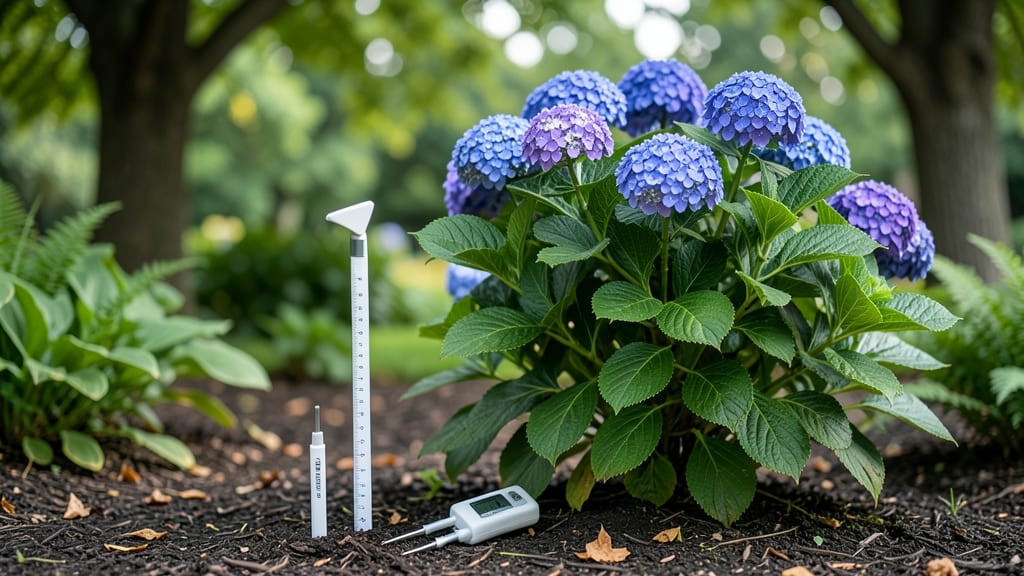
What type of sun do hydrangeas need to thrive? The answer is morning sun and afternoon shade—a balance that transforms them from ordinary shrubs into breathtaking floral displays.
Struggling to keep your hydrangeas blooming as vibrantly as the day you planted them? The secret might lie in how much—and what type of—sun they receive.
Unlike sun-worshipping plants, hydrangeas thrive in a delicate balance of light, and getting it wrong can mean the difference between lush, showy blooms and sparse, lackluster foliage.
Too much afternoon sun can scorch leaves, while too little light weakens stems and fades colors. The ideal spot? A location with bright morning rays and gentle shade after noon—think dappled sunlight under a tree or an east-facing window.
This setup keeps your hydrangeas happy without the stress of harsh afternoon heat.
In this guide, I’ll break down exactly how to spot the right light for your hydrangeas, adjust care based on sun exposure, and even create the perfect microclimate in your garden. By the end, you’ll know exactly how to give your hydrangeas the ideal sunlight balance for year-round beauty.

Ideal sunlight requirements for hydrangeas: morning sun vs. afternoon heat
Hydrangeas are finicky about sunlight, and getting their light needs right is the key to those showstopping blooms you crave. Unlike sun-loving succulents, they prefer a gentle balance—too much direct sun can scorch their leaves, while too little shade dulls their color.
The magic happens when you give them morning sun exposure paired with afternoon shade, creating the perfect photosynthesis efficiency without heat stress.
Morning sunlight provides the bright, indirect light hydrangeas need to kickstart their growth cycle. The sun is cooler and less intense in the morning, allowing them to absorb essential UV rays without risking leaf burn.
Afternoon heat, on the other hand, can turn their leaves crispy and their blooms lackluster. Think of it like giving your hydrangeas a sunrise coffee—energizing but not overwhelming.
Here’s the breakdown: most hydrangea varieties thrive with 4 to 6 hours of morning sun, followed by dappled or filtered shade for the rest of the day. This setup mimics their natural habitat in woodland understories, where they bask in gentle light while avoiding harsh afternoon rays.
If you’re in a hot, dry climate, you might even reduce their morning sun to 3 hours to prevent stress.
| Sunlight Type | Daily Duration | Best For | Benefits | Risks |
|---|---|---|---|---|
| Morning Sun (6 AM - 12 PM) | 4-6 hours | All hydrangea varieties | Boosts photosynthesis, vibrant blooms, strong stems | None (when balanced) |
| Afternoon Shade (12 PM - 6 PM) | 4+ hours | Hot climates, H. macrophylla | Prevents leaf scorch, retains moisture | Reduced blooms if too little light |
| Full Sun (6 AM - 6 PM) | 6+ hours | H. paniculata (PeeGee) | Larger blooms, faster growth | Leaf burn, faded blooms, weak stems |
| Deep Shade (0-2 hours sun) | 0-2 hours | Woodland gardens | Prevents stress in extreme heat | Sparse blooms, leggy growth |
If you’re growing Hydrangea macrophylla (the classic bigleaf variety), prioritize morning sun with afternoon shade—this is their sweet spot. These beauties love to show off their blue or pink blooms, but they’ll turn dull and crispy if exposed to hot afternoon rays.
For Hydrangea paniculata (like the PeeGee hydrangea), they’re a bit more tolerant of full sun, especially in cooler climates, but even they benefit from afternoon relief in Zone 8 and above.
One common mistake gardeners make is assuming partial shade means any shade. Avoid placing hydrangeas under dense evergreens that block all light or in north-facing windows with no direct sun.
Instead, opt for locations with filtering shade, like near a lattice screen or under a dappled tree canopy. This way, they still get the indirect light they crave without the harsh glare.
Heat stress is a silent killer for hydrangeas, and you’ll know it’s happening when you see brown, crispy leaf edges or drooping blooms by midday. To combat this, water deeply in the early morning to keep soil moisture high, and consider mulching with organic matter to insulate roots.
A 5-inch layer of mulch can reduce soil temperature by up to 10°F, giving your hydrangeas a fighting chance against scorching.
For container-grown hydrangeas, their sunlight needs change dramatically. Since pots heat up faster, move them to a shadier spot by late morning if they start wilting. A light-colored container reflects heat, while a dark pot absorbs it—choose wisely based on your climate.
If your hydrangea is in a south-facing container, you might need to provide artificial shade with a breathable shade cloth during peak heat hours.
Pro tip: Observe your hydrangeas’ leaf color as a barometer. Dark green leaves with rich, glossy surfaces mean they’re happy. Pale or yellowing leaves signal too much sun, while deep green but leggy, sparse growth means they need more light.
Adjust their position gradually—don’t move them abruptly, or you’ll shock their system. A slow transition over 2-3 weeks lets them adapt without stress.
Remember, hydrangeas are not one-size-fits-all when it comes to sun. Experiment with their placement, and don’t be afraid to prune nearby branches to fine-tune their light exposure. With the right balance, you’ll reward yourself with blooms so lush they’ll make your neighbors jealous—and that’s
How to adjust sunlight for different hydrangea varieties and soil types
Not all hydrangeas are created equal when it comes to sunlight needs.
While they generally prefer morning sun with afternoon shade, the exact balance varies by variety and soil type. Hydrangea macrophylla (like Endless Summer) thrives with 4-6 hours of filtered light, while H. paniculata (such as Limelight) can handle full sun in cooler climates.
Understanding these differences ensures your plants bloom their best.
Soil type plays a crucial role too. Clay soil retains moisture longer, allowing hydrangeas to tolerate slightly more sun, while sandy soil drains quickly, requiring extra shade to prevent stress. Loamy soil strikes the perfect balance, offering moderate moisture and sunlight tolerance.
Let’s break down the ideal conditions for each variety and soil type to keep your hydrangeas thriving.
| Variety | Sunlight Needs | Soil Type Adaptation | Container Tips |
|---|---|---|---|
| Hydrangea macrophylla | 4-6 hrs morning sun | Clay: More sun; Sandy: Less sun | Use 12"+ pots with light-colored containers |
| Hydrangea paniculata | 5-8 hrs full sun (cooler zones) | Loamy: Best for heat tolerance | Add perlite for drainage in hot climates |
| Hydrangea arborescens | 3-5 hrs partial shade | Sandy: Needs afternoon shade | Choose north-facing containers |
For container-grown hydrangeas, adjust sunlight based on your soil mix. Clay-heavy mixes retain moisture longer, so you can push sunlight slightly higher. In contrast, sandy mixes dry out fast, so keep containers in morning sun only or dappled shade.
Always ensure containers have drainage holes to prevent root rot from overwatering in hot conditions.
If your garden has hot afternoon sun, create shade using lattice screens or tall plants like sunflowers. For H. macrophylla, even 3 hours of afternoon shade can prevent leaf scorch.
In cooler climates, H. paniculata can handle full sun, but monitor for wilting leaves—a sign of too much heat.
Soil moisture retention is key. Amend clay soil with compost to improve drainage, while sandy soil benefits from organic matter like peat moss. Mulch heavily (3-4 inches) to regulate soil temperature and retain moisture. This helps hydrangeas in full sun by reducing stress during peak heat.
Pro tip: Rotate containers every few weeks to ensure even sunlight exposure. If you notice yellowing leaves or drooping blooms, move your hydrangea to a slightly shadier spot. With these adjustments, your hydrangeas will reward you with vibrant blooms all season.