
How To
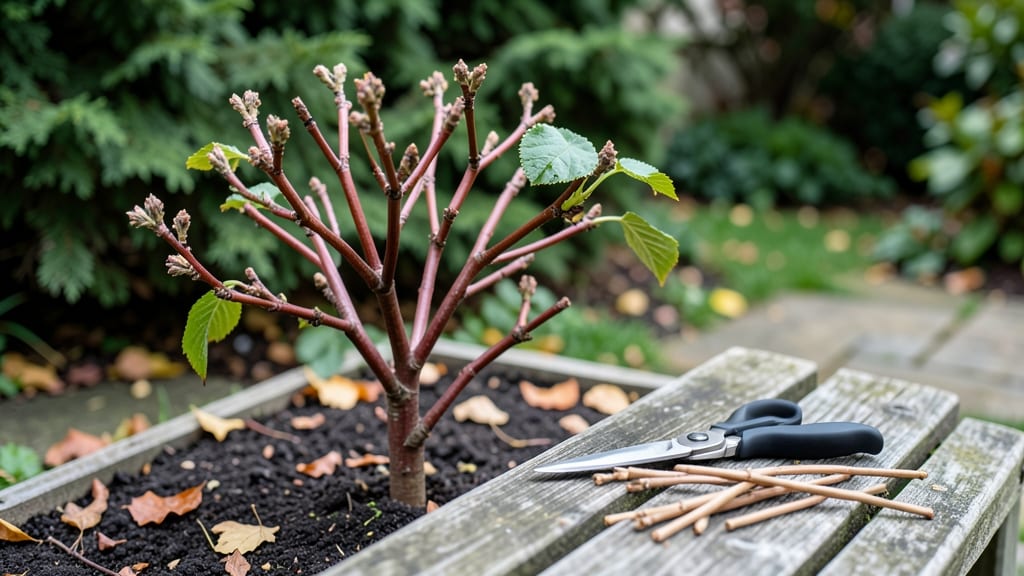
Cut back Limelight hydrangeas in late winter, just as new growth begins to push through the soil—this is the key to a showstopping spring display.
Struggling to decide when to prune your Limelight hydrangeas without risking next year’s stunning blooms? Timing is everything—and getting it wrong could mean sacrificing your garden’s showstopper display.
The difference between a lush, 8-foot shrub bursting with 🌸 and a sparse, leggy mess often comes down to a few weeks of precision.
Most gardeners in USDA Zone 6a should aim for late February to early March, but your local climate matters. Pruning too early can leave your plant vulnerable to cold snaps, while waiting too long risks cutting off next year’s flower buds before they form.
Here’s how to align your pruning with your region’s frost dates and bloom cycle.
Inside, you’ll find a month-by-month guide tailored to your zone, step-by-step pruning techniques to avoid common mistakes, and how to shape your hydrangea for maximum density. Let’s make sure your Limelight Hydrangea steals the show next season!
The ideal timing for cutting back Limelight hydrangeas in late winter
Your Limelight hydrangeas (Hydrangea paniculata 'Limelight') are the star of your garden, but their late-winter pruning sets the stage for next season's showstopping blooms. Pruning too early or too late can leave you with sparse flowers or leggy growth.
The key is understanding your USDA zone and local climate to time this task perfectly.
Late winter is ideal because it allows you to cut back dead or weak stems while the plant is still dormant, but before new growth begins. This timing minimizes stress and ensures your hydrangea focuses energy on producing next year's flower buds.
For most gardeners in USDA zones 3-9, the window spans from February to early March, but exact timing varies by region.
Here’s why late winter works best: Dormant plants have fewer active nutrients flowing, so pruning causes less shock. Plus, you’ll have a clear view of the skeleton structure of your shrub, making it easier to identify and remove old, unproductive wood.
Skipping this step can leave your hydrangea looking messy and reduce its bloom potential by up to 40%.
| USDA Zone | Optimal Pruning Window | Key Climate Cues | Why This Matters |
|---|---|---|---|
| Zones 3-5 | Late February to mid-March | After last hard frost, soil workable | Prevents frost damage to fresh cuts |
| Zones 6-7 | Mid-February to early March | When daytime temps reach 45°F+ | Encourages early bud formation |
| Zones 8-9 | January to early February | Before warm spells trigger growth | Avoids heat stress on new shoots |
If you’re in a warmer microclimate (like a sheltered garden spot), hold off until early February to avoid encouraging premature growth. Conversely, in colder zones, wait until mid-March when soil temperatures rise above 40°F.
Cold soil can stunt new growth and leave your hydrangea vulnerable to root rot.
Aligning your pruning with your local climate isn’t just about timing—it’s about bloom quality. Limelight hydrangeas produce flowers on new wood, meaning this year’s growth will carry next year’s blooms.
Pruning too late (after buds swell) risks cutting off potential flowers. Conversely, pruning too early (before dormancy ends) can shock the plant and delay spring growth.
For gardeners in USDA zone 6a (like many in the Midwest), aim for late February. This gives your hydrangea enough time to recover before the last frost (typically around April 15 in this zone).
In Southern climates (zones 8-9), January is your window—prune earlier to avoid the heat of February and March.
Watch for bud swell as a natural cue. If you see tiny buds forming at the tips of stems, it’s time to pause pruning. These buds are your hydrangea’s promise of next summer’s limelight-colored blooms.
Cutting them off means fewer flowers—and who wants that? Use this visual signal as your final checkpoint before grabbing those pruners.
One common mistake is pruning based on the calendar month rather than your local conditions. For example, March might feel like spring in zone 7, but if frost is still a threat, wait.
Similarly, don’t rush in zone 4 just because your neighbor did—your garden’s microclimate might be colder. Always prioritize soil temperature and frost risk over arbitrary dates.
Once you’ve nailed the timing, the next step is proper technique. Focus on removing dead, diseased, or crossing branches first, then thin out older stems to open up the center. This not only improves airflow but also encourages denser, bushier growth—and more of those coveted blooms.
With the right timing and care, your Limelight hydrangea will reward you with a summer spectacle that turns heads. ✂️🌸
Step-by-step pruning guide: how to cut Limelight hydrangeas correctly
Pruning your Limelight hydrangeas correctly ensures vibrant blooms and a healthy shrub. These panicle hydrangeas thrive when pruned to remove old wood and encourage new growth. The key is knowing where to cut—right above a bud or stem node—to maximize next year’s showstopping flowers.
Start by gathering your pruning tools: a sharp bypass pruner for clean cuts and sterilized shears to prevent disease. Avoid dull tools, which crush stems and invite pests.
Wear gloves to protect your hands from thorns and sap. Now, let’s dive into the step-by-step process to transform your hydrangea into a lush, blooming beauty.
Step-by-Step Pruning Guide for Limelight Hydrangeas
- 1 Identify old vs. new growth: Look for brown, woody stems (old wood) and green, flexible stems (new growth). Limelight hydrangeas bloom on new wood, so prune old stems first.
- 2 Cut back old stems: Use your pruning shears to make a 45-degree angle cut 1/4 inch above a bud or stem node. This encourages new shoots to grow from the base.
- 3 Shape the shrub: Thin out crowded branches to improve air circulation and sunlight penetration. Aim for an open, vase-like shape to encourage dense foliage and abundant blooms.
- 4 Remove dead or weak stems: Cut out any broken, diseased, or crossing branches at the base of the plant. This keeps your hydrangea healthy and vigorous.
- 5 Clean up and sterilize: Dispose of pruned debris in a sealed bag to prevent spreading disease. Wipe your pruning tools with rubbing alcohol to sterilize them for the next use.
After pruning, step back and admire your well-shaped shrub. A properly pruned Limelight hydrangea will reward you with long, conical blooms in summer and fall. Avoid the temptation to prune too late—waiting until spring can remove next year’s flower buds.
Common mistakes include over-pruning (cutting back too much) or under-pruning (leaving too many old stems). Both can lead to sparse blooms or weak growth. Remember, patience and precision are key to a thriving hydrangea that steals the show every season.
Once you’ve mastered the art of pruning, your Limelight hydrangeas will become the star of your garden, boasting vibrant lime-green blooms that transition to rosy hues as summer fades. Happy pruning! ✂️🌸