
Plants
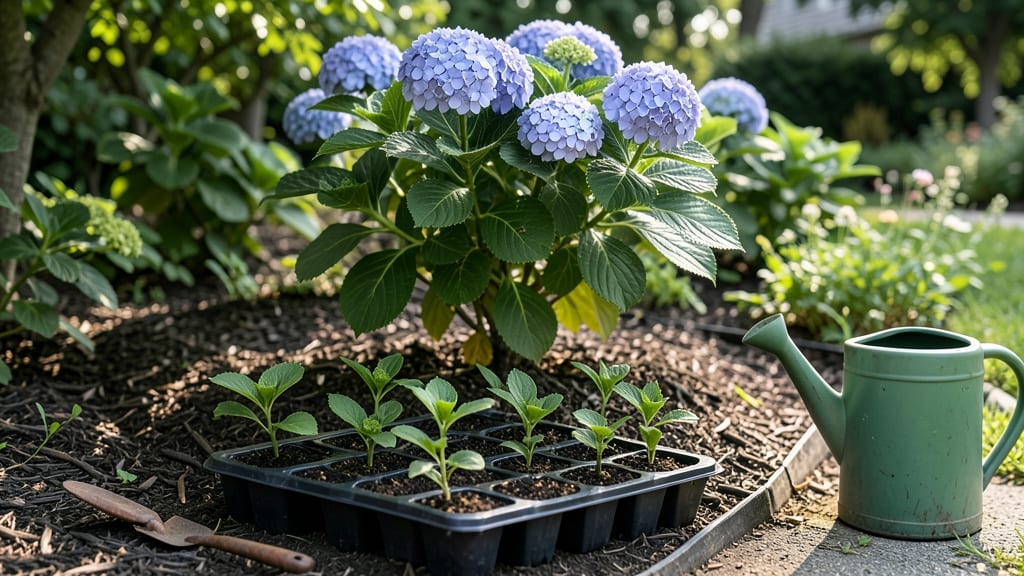
Planting hydrangeas in Tennessee at the right time ensures those showstopping blooms you’ve been dreaming of 🌸 — and the window is narrower than you might think.
Tennessee’s diverse climate—from the humid mountains to the hot valleys—can make or break your hydrangea blooms if you plant at the wrong time. Get the perfect planting window to ensure vibrant flowers year after year.
Whether you’re in the cooler 6a zones of the Appalachians or the warmer 7b valleys near Nashville, timing matters. Spring planting (March-April) gives roots time to establish before summer heat, while fall (September-October) offers a second chance for those who miss the first window.
Below, I’ll break down the exact planting timeline for your zone, soil prep secrets, and which hydrangea varieties thrive best in Tennessee’s tricky balance of sun and shade.
Tennessee hydrangea planting zones: when to plant by region
Tennessee’s USDA zones 6a-8a create unique challenges for hydrangea growers, where last frost dates vary from mid-March in Nashville to late April in the mountains. Planting at the wrong time can stunt growth or even kill young roots, so timing matters more than most gardeners realize.
The key is understanding your microclimate—whether you're in the cooler Appalachian foothills or the warmer Middle Tennessee valleys.
Most hydrangeas thrive when planted in early spring (March-April) or early fall (September-October), but the exact window depends on your zone. Bigleaf hydrangeas (Hydrangea macrophylla) need cooler roots to establish, while panicle types (Hydrangea paniculata) handle heat better.
Oakleaf varieties (Hydrangea quercifolia) are the most adaptable, making them perfect for Tennessee’s shifting temperatures.
For container-grown hydrangeas, you have a slightly wider window—plant anytime soil isn’t frozen, but avoid extreme heat. Bare-root hydrangeas, however, demand precise timing: plant them as soon as possible after purchase, but never when the ground is still frozen or when summer heat is approaching.
In Tennessee’s Zone 7a (common in Knoxville), that means March 15-April 15 for spring planting.
Here’s how Tennessee’s zones break down for optimal hydrangea planting:
In Zone 6a, like the Appalachian Plateau, your best bet is late April planting to avoid late frosts that can damage tender new growth. I’ve seen gardeners in Johnson City lose entire hydrangea beds by planting too early—don’t make that mistake!
For Zone 7a, like Knoxville, aim for March 15-April 15 to give roots time to establish before summer’s humidity sets in.
If you’re in Zone 8a (think Memphis or Jackson), summer heat becomes your biggest enemy. Plant panicle hydrangeas like 'Limelight' in late winter (February-March) to beat the heat, and always provide afternoon shade.
I once watched a Bigleaf hydrangea in Shelby County wilt dramatically because it was planted in full sun—now I always recommend east-facing locations for heat-sensitive varieties.
Fall planting works well in Tennessee, but timing is critical. For Zone 7a and below, plant by October 15 to allow roots to establish before winter dormancy. In Zone 8a, extend your window to November 1, but avoid planting after the first frost.
I’ve had great success with Oakleaf hydrangeas in fall-planted beds—their deep roots handle Tennessee’s clay-heavy soils better than other types.
One mistake I see often? Gardeners in warmer zones planting Bigleaf hydrangeas too late in spring. These varieties need cooler roots to set buds for next year’s flowers.
If you’re in Nashville (Zone 7b), plant by April 15 at the latest, or risk poor blooms the following summer. For panicle types, you’ve got a bit
Signs your Tennessee soil is ready for hydrangeas (and how to fix it)
Hydrangeas thrive in Tennessee’s humid climate but need the right soil conditions to flourish. The key is well-draining, slightly acidic soil with a pH between 5.0 and 6.0. If your soil is too alkaline or compacted, your hydrangeas may struggle to establish roots or produce vibrant blooms.
Before planting, check for these 3 critical signs that your soil is ready.
First, test your soil’s moisture retention. Press your hand into the soil—if it feels clay-heavy and stays clumped, it needs organic matter. Tennessee’s red clay soils are common but can suffocate roots. Amending with compost or pine bark fines improves drainage while keeping moisture levels ideal for hydrangeas.
Next, assess the soil temperature. Hydrangeas prefer soil temps above 60°F (15°C) for root growth. Use a soil thermometer to check—if it’s still below 50°F (10°C), wait until late spring or early fall when temps stabilize. Frost-sensitive varieties like 'Endless Summer' need warmer soil to avoid root shock.
⚠️ WARNING: Planting Too Early or Late Can Kill Your Hydrangeas
- Planting before last frost (mid-March in most of TN) risks frost damage to tender roots.
- Ignoring soil pH—alkaline soil (pH >7.0) causes blue blooms to turn green.
- Skipping soil prep in clay-heavy areas leads to root rot from poor drainage.
- Wait until soil temps stay above 60°F (late April for most of TN).
- Test pH with a home kit—adjust with sulfur (to lower pH) or lime (to raise pH).
- Mix in 3-4 inches of compost to break up clay and improve aeration.
Don’t overlook the frost risk in Tennessee’s transitional zones. Even if soil temps are ideal, late frosts can damage new growth. In USDA Zone 6b (e.g., Nashville), aim for late April planting, while Zone 7a (e.g., Memphis) can start as early as mid-March.
For extra protection, choose cold-hardy varieties like 'Annabelle' or 'Oakleaf' if planting early.
Finally, observe your soil’s drainage rate. Dig a hole, fill it with water, and time how long it takes to drain. If it takes more than 4 hours, your soil is too compacted.
Fix it by adding perlite or coarse sand to improve drainage while retaining moisture. Hydrangeas hate soggy roots but also need consistent water—aim for "swampy but not waterlogged" conditions.
With these adjustments, your Tennessee soil will be hydrangea-ready in as little as 2-3 weeks. Start by testing pH, amending clay, and monitoring soil temps. Your blooms will thank you with vibrant colors and lush foliage year after year! 🌸