
Planting
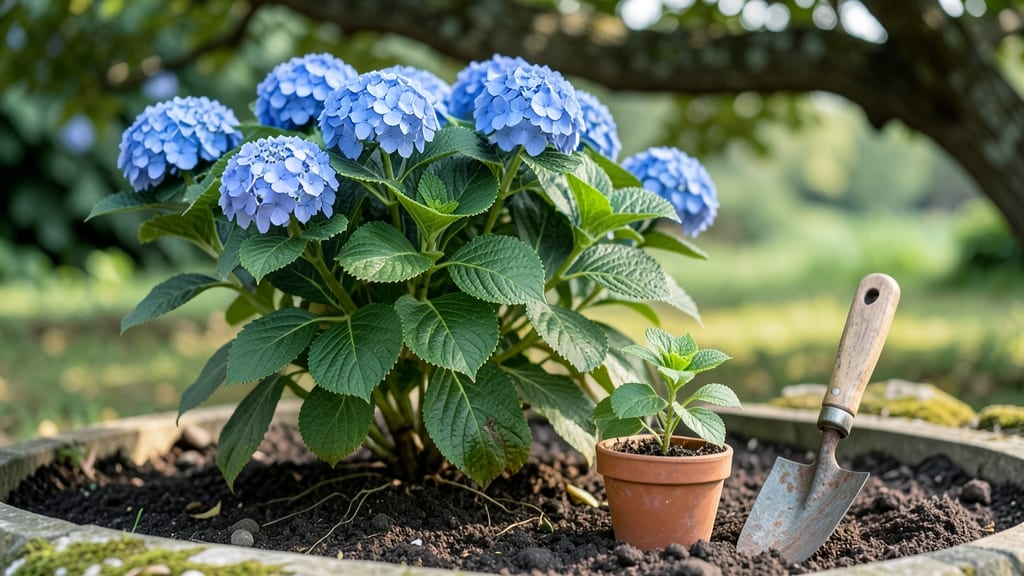
Where to put hydrangeas is an art—morning sun and afternoon shade strike the perfect balance, since too much light fades their blooms while too little leaves them leggy and sparse. 🌿 I learned this the hard way when my first hydrangeas struggled in a... hot, west-facing spot, their petals bleaching under relentless afternoon rays.
The right placement turns them into the showstopper of your garden, with blooms that last from summer through fall.
Start by scanning your yard for spots with 4-6 hours of morning sun and 2-4 hours of afternoon shade—think east-facing beds or areas under high branches. Hydrangeas also crave moist, well-draining soil that’s slightly acidic (aim for a pH between 5.2 and 6.0).
If your soil is heavy clay, amend it with compost or peat moss to keep roots happy and blooms vibrant. Container growers, listen up: choose pots with drainage holes and use a mix of potting soil and perlite.
Once planted, you’ll notice the difference within weeks: sturdy stems, glossy leaves, and clusters of blooms that grow larger each season. Bigleaf hydrangeas (Hydrangea macrophylla) especially reward the right conditions with color changes—blue in acidic soil, pink in alkaline.
For extra drama, pair them with ferns, astilbes, or hostas, which love the same shady conditions. Just watch for late-spring frosts, which can damage tender new growth.
Pro tip: If your yard lacks natural shade, use sheer fabric or lattice screens to filter harsh afternoon sun without blocking airflow. And don’t forget to mulch around the base—it keeps roots cool in summer and protected in winter.
With the right spot, your hydrangeas will become the garden’s star, year after year.
📚 In This Guide
- What you need
- Instructions
- Tips and common mistakes
- Wrapping up and next steps
What you need
- ● Hydrangeas: Choose between mophead, panicle, oakleaf, or smooth hydrangeas (1-3 plants per location, depending on desired size).
- ● Well-draining soil: Mix 2 parts garden soil with 1 part compost or peat moss (for acid-loving varieties like macrophylla, add sulfur or aluminum sulfate to lower pH to 5.5-6.2).
- ● Organic mulch: 2-3 inches of pine bark, wood chips, or shredded leaves (helps retain moisture and regulate soil temp).
- ● Containers (if applicable): 10-15 gallon pots with drainage holes (for patio or balcony planting). Use a lightweight potting mix blended with perlite.
- ● Watering can or hose: With a gentle spray nozzle (hydrangeas hate soggy roots!).
- ● Pruning shears: Bypass pruners (sterilized with rubbing alcohol).
- ● Gloves & knee pads: For comfort while digging and planting.
- ● Slow-release fertilizer: Balanced 10-10-10 or acid-loving plant food (apply in early spring).
- ● Soil pH test kit: To monitor and adjust acidity (especially for blue/pink blooms).
- ● Shade cloth: 30-50% coverage for varieties sensitive to harsh afternoon sun.
- ● Stakes or cages: For support if planting heavy-blooming varieties like macrophylla.
- ● Drip irrigation system: For automated, consistent watering (ideal for large gardens).
Instructions for placing hydrangeas for optimal sunlight and growth
Hydrangeas thrive when you balance sunlight with moisture—here's how to position them for vibrant blooms.
☀️ Step 1: Assess Your Hydrangea Variety’s Sunlight Needs
Hydrangeas fall into two main categories: sun-loving and shade-tolerant. Bigleaf hydrangeas (Hydrangea macrophylla)—like the classic blue or pink mopheads—prefer morning sun and afternoon shade, especially in hot climates. They can handle 4-6 hours of direct sun daily but will scorch if exposed to harsh afternoon rays for extended periods.
On the other hand, panicle (Hydrangea paniculata) and oakleaf (Hydrangea quercifolia) varieties thrive in full sun (6+ hours) and produce their best blooms when exposed to bright light all day. Check your plant’s label or research its specific variety—this is the first critical decision for long-term success.
🌿 Step 2: Scout Your Garden for the Ideal Spot
Walk your garden in the late afternoon to identify areas that match your hydrangea’s needs. Look for locations with dappled shade—like under tall trees where sunlight filters through—or a north-facing wall that blocks intense afternoon heat. Avoid low-lying spots where cold air settles, as hydrangeas dislike frost pockets.
Test the moisture level of potential spots by digging a 6-inch hole and checking how quickly water drains. Hydrangeas prefer consistently moist but well-drained soil. If water pools after 30 minutes, amend the soil with organic matter (like compost) to improve drainage before planting.
🪴 Step 3: Plant in a Location with Consistent Moisture
Hydrangeas hate dry soil, so position them where they’ll receive regular watering without relying on overhead sprinklers, which can cause fungal issues. A spot near a drip irrigation line or rain barrel works perfectly. If you’re planting multiple hydrangeas, space them 4-6 feet apart to allow airflow and reduce competition for moisture.
Dig a hole twice as wide as the root ball but no deeper. Loosen the roots gently if they’re circling, then place the plant so the top of the root ball sits 1 inch below soil level. This slight burial encourages root growth while preventing stem rot. Backfill with native soil mixed with compost to improve fertility.
⏰ Step 4: Adjust Sun Exposure Over the Seasons
Hydrangeas are adaptable, but their ideal sunlight changes with the seasons. In spring and fall, they can handle more direct sun (up to 8 hours daily) as temperatures moderate. However, during summer’s peak heat, move potted hydrangeas to a shadier location or provide afternoon shade with a lightweight shade cloth (30-50% coverage).
Watch the leaves for signs of stress: yellowing or crispy edges mean too much sun, while weak stems and sparse blooms suggest insufficient light. If your hydrangea’s leaves turn bronze or develop leaf scorch, it’s a clear signal to relocate it to a slightly shadier spot immediately.
💧 Step 5: Monitor and Adapt for Long-Term Success
After planting, water deeply once a week (or more often in extreme heat) to keep the soil evenly moist. Hydrangeas are heavy drinkers, so mulch around the base with 2-3 inches of organic mulch (like shredded bark) to retain moisture and regulate soil temperature. Avoid piling mulch against the stem to prevent rot.
Every 2-3 years, reassess the plant’s sunlight exposure. As trees mature or buildings cast new shadows, what was once the perfect spot may no longer work. Prune leggy growth in late winter or early spring to encourage bushier, more compact shapes that handle sun exposure better.
Tips & tricks for perfect Hydrangea placement
Finding the right spot for your hydrangeas makes all the difference between vibrant blooms and struggling plants. Here’s how to avoid common mistakes and optimize growth.
Variety-Specific Lighting: Bigleaf hydrangeas need that 4-6 hours of morning sun to prevent scorching from afternoon heat. I’ve seen these plants wilt dramatically when moved to full sun—pay attention to leaf color. For panicle or oakleaf types, 6+ hours of full sun is ideal, but they’ll still reward you with stunning blooms even in partial shade. The key is matching the plant’s natural preferences to your garden’s microclimates.
Soil Test Before Planting: That 30-minute drainage test in Step 2 is non-negotiable. I’ve dug too many holes only to discover waterlogged soil that would strangle roots. Amend with compost if needed—hydrangeas thrive in soil that drains well but stays moist. A simple pH test (aim for 5.5-6.5) will also reveal if your soil needs sulfur to enhance blue blooms or lime for pink ones.
Seasonal Sun Adjustments: The 8-hour spring/fall sun recommendation works perfectly, but summer’s peak heat demands flexibility. I’ve had to move potted hydrangeas multiple times during heatwaves—watch for those crispy leaf edges as your early warning. A lightweight shade cloth (30-50% coverage) can save the day without sacrificing light exposure entirely. Think of it as giving your plants a temporary sun hat.
Long-Term Planning: That 2-3 year reassessment in Step 5 is brilliant but often overlooked. Trees grow, buildings cast new shadows, and your hydrangeas’ needs evolve. Mark their locations with stakes or photos so you can track changes. I’ve seen perfect spots become too shady after just 18 months—don’t let your hard work go to waste by ignoring this simple check-in.
Pro Tips for Where To Put Hydrangeas
- Finding the right spot for your hydrangeas makes all the difference between vibrant blooms and struggling plants.
- Variety-Specific Lighting: Bigleaf hydrangeas need that 4-6 hours of morning sun to prevent scorching from afternoon heat.
- Soil Test Before Planting: That 30-minute drainage test in Step 2 is non-negotiable.
Frequently asked questions
Got questions about planting hydrangeas? You’re not alone! Here are some of the most common concerns—and their answers—to help you grow showstopping blooms with confidence.
How much sun do hydrangeas really need?
Most hydrangeas thrive in partial shade (4–6 hours of morning sun, afternoon shade). Bigleaf hydrangeas (Hydrangea macrophylla) prefer dappled light, while panicle types (Hydrangea paniculata) tolerate more sun (up to 6 hours). Avoid harsh afternoon rays to prevent leaf scorch.
Can I plant hydrangeas in pots or containers?
Containers are great for small spaces or renters. Use a well-draining mix (add perlite or compost) and a pot with drainage holes. Opt for compact varieties like ‘Endless Summer’ or ‘Little Lime.’ Just remember: water more frequently in pots, as they dry out faster.
When is the best time to plant hydrangeas?
Plant in early spring or fall (4–6 weeks before frost) when soil is workable but not scorching. Avoid summer heatwaves—roots need time to establish before stress. If transplanting mature plants, do it on a cool, cloudy day to reduce shock.
Why are my hydrangea leaves turning yellow or brown?
Yellowing leaves often signal overwatering or poor drainage. Brown edges? It could be sunburn, underwatering, or nutrient deficiency. Check soil moisture (top 2 inches should be dry), ensure proper sunlight, and fertilize lightly in spring with acidic, balanced fertilizer (10-10-10).
What’s a good alternative if my yard is too shady?
If your space gets less than 4 hours of sun, try shade-tolerant hydrangeas like Oakleaf (H. quercifolia) or Mountain (H. serrata). Other low-light plants to pair them with: heuchera, ferns, or hostas. Just ensure your soil stays moist but not soggy!
Wrapping up and next steps
Finding the perfect spot for your hydrangeas is all about balance—partial shade with morning sun unlocks their full potential!
Whether you’re planting mopheads, panicles, or oakleaf varieties, prioritize well-draining soil and protection from harsh afternoon rays. 🌿 With the right placement, you’ll enjoy vibrant blooms year-round and minimal stress for your plants.
Ready to transform your garden? Start by assessing your space—sketch a quick layout or test sunlight spots for a week. Then, grab your gloves and get planting! Your future hydrangea masterpiece is just a shovel’s toss away. 🌸