
Orchid Care
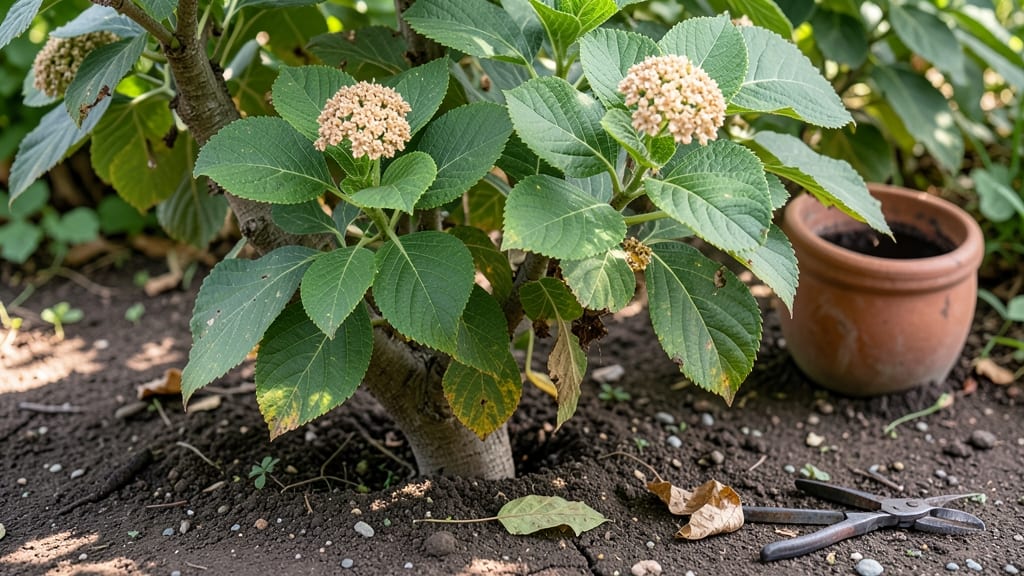
Yes, hydrangeas are deciduous plants that shed their leaves annually in fall or winter, regrowing fresh foliage each spring. This natural cycle affects pruning timing, winter care, and seasonal blooming patterns for gardeners.
This seasonal leaf cycle isn't just about aesthetics—it's a survival strategy. 🌿 When temperatures drop, hydrangeas enter dormancy, conserving energy until spring's warmer days trigger new leaf growth.
The timing varies by species and your hardiness zone, but most varieties in zones 5-9 will show their first signs of leaf drop between late October and December.
What's interesting is how this affects blooming: some hydrangeas set buds on old wood (last year's growth), while others bloom on new wood (current season's shoots), which changes when and how you should prune.
For gardeners, understanding this cycle means planning ahead. If you prune at the wrong time—like cutting back blooms in late fall—you might accidentally remove next year's flower buds. That's why I always wait until after the first flush of new leaves appears in spring before making any major cuts.
It's all about working with nature's schedule, not against it.
💡 In This Article
- Hydrangea Leaf Life Cycle and Seasonal Adaptations
- Pruning and Winter Care for Deciduous Hydrangeas
Hydrangea leaf life cycle and seasonal adaptations
Hydrangeas enter their deciduous cycle when daytime temperatures consistently drop below 50°F (10°C)—this triggers a hormonal shift that causes leaves to detach at their petioles (leaf stems). The process begins with chlorophyll breakdown, revealing the yellow, orange, or red pigments that often signal fall foliage.
Unlike evergreens that retain leaves year-round, hydrangeas prioritize energy conservation by shedding leaves when photosynthesis becomes inefficient in cold weather. 🌿 This adaptation helps them survive winter dormancy, which can last 4-6 months depending on your hardiness zone.
The timing of leaf drop varies by species: Bigleaf hydrangeas (Hydrangea macrophylla) typically lose leaves between late October and November, while Oakleaf hydrangeas (Hydrangea quercifolia) may hold onto their vibrant foliage until December.
In colder zones (4-6), leaves might persist longer as plants delay dormancy until temperatures drop below 32°F (0°C). What's fascinating is how this cycle affects blooming—some varieties like Hydrangea paniculata set flower buds on current season's growth, while others like Hydrangea arborescens rely on last year's wood.
This seasonal adaptation isn't just about survival—it's a survival strategy that affects plant health. During dormancy, hydrangeas redirect nutrients to roots and stems, building reserves for spring's new growth. The leafless state also helps prevent winter damage from heavy snow or ice accumulation.
In my experience, plants in zones 7-9 often show earlier leaf regrowth (by late February), while those in zone 5 may wait until April when soil temperatures reach 55°F (13°C). 🌱
One common misconception is that bare stems indicate plant death, but hydrangeas are perfectly healthy during dormancy. The key difference from evergreens is their ability to completely shut down metabolic processes until favorable conditions return.
This is why proper winter care—like mulching around the base—helps protect roots from freezing temperatures, which can be as low as -15°F (-26°C) for hardy varieties like Hydrangea paniculata 'Limelight'.
What sets hydrangeas apart is their ability to regrow leaves from dormant buds at the stem base, even after severe leaf drop. This regenerative capacity means they can bounce back quickly in spring, often producing new foliage within 4-6 weeks of warm temperatures.
The new leaves typically emerge a lighter green color before darkening as they mature, completing the cycle. 💚
Understanding this cycle helps gardeners time critical care tasks: pruning after leaf drop but before bud swell, fertilizing when new growth appears, and monitoring for pests that target dormant plants.
The leaf cycle isn't just about aesthetics—it's the plant's way of telling you when to take action and when to let nature take its course.