
Orchid Care
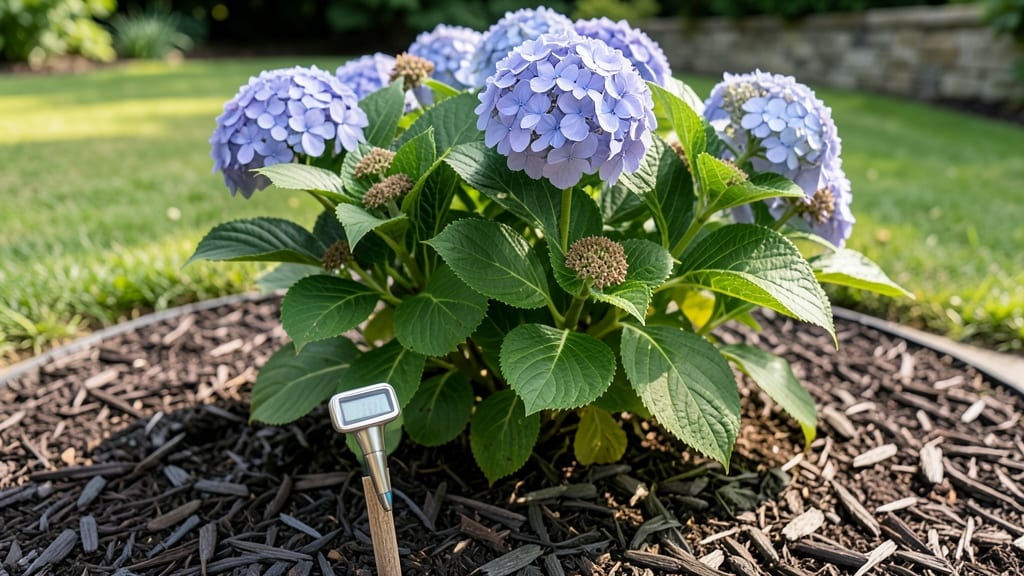
Yes, hydrangeas are hardy plants that thrive in USDA Zones 3–9, with cold tolerance varying by variety. Most types survive winter with proper mulching and protection, though some may need seasonal care to prevent damage from freezing temperatures or harsh winds.
Hydrangeas have earned their reputation for resilience by adapting to diverse climates, from the mild coastal regions of Zone 7 to the colder inland areas of Zone 3. 🌿 The key lies in their native habitats—some varieties, like the panicle hydrangea, originated in Japan's cooler climates, while others, such as the bigleaf hydrangea, thrive in the humid, temperate zones of East Asia.
What sets them apart is their ability to enter dormancy, a survival strategy that allows them to withstand sub-freezing temperatures when properly prepared.
For gardeners in colder zones, the difference between a thriving shrub and a frost-killed plant often comes down to mulching depth and timing. A 3–4 inch layer of organic mulch applied after the first frost acts like an insulating blanket, protecting roots from extreme temperature swings.
I've seen firsthand how this simple step can mean the difference between a hydrangea that blooms again next spring and one that struggles to recover.
Even hardy varieties benefit from a little extra care during their first winter. Wrapping young plants with burlap or using frost cloth can shield tender stems from windburn, while pruning in late winter removes dead growth and encourages new, stronger shoots.
The beauty of hydrangeas is that with the right preparation, they don't just survive winter—they come back stronger and more vibrant than ever.
💡 In This Article
- USDA Zones and Hydrangea Cold Tolerance by Variety
- Winter Care Tips to Protect Hardy Hydrangeas
USDA Zones and hydrangea cold tolerance by variety
The hardiness of hydrangeas isn't one-size-fits-all—it depends entirely on the species and its native climate. Take Hydrangea paniculata, for example, which thrives in Zones 3-8 and can handle temperatures down to -30°F when established.
This variety originated in Japan's mountainous regions, where winter temperatures routinely drop below freezing, giving it a natural advantage in colder climates. 🌟 In contrast, Hydrangea macrophylla (the bigleaf variety) prefers Zones 5-9, struggling below 10°F without protection, as it hails from East Asia's more temperate coastal areas.
What's fascinating is how hydrangea species adapt their growth patterns to their native climates. Oakleaf hydrangeas (H. quercifolia) from the southeastern U.S. can survive Zone 5 winters because they develop thick, leathery leaves that protect their buds during dormancy.
These leaves even turn stunning shades of red and orange in fall, acting as natural insulation. Meanwhile, smooth hydrangeas (H. arborescens) from Zones 3-9 have developed a unique strategy—their buds form in leaf axils, buried beneath the foliage, shielding them from cold winds.
The USDA Zone system provides a helpful guideline, but real-world conditions matter more. A hydrangea in Zone 6 might thrive with afternoon sun and afternoon shade, while one in Zone 8 could suffer from summer heat stress. The key is matching the plant's natural habitat to your microclimate.
For instance, panicle hydrangeas often perform better in northern climates because they bloom on new wood, giving them more flexibility to recover from winter damage. Bigleaf varieties, however, bloom on old wood, so they need more consistent winter protection to ensure next year's flowers.
Here's where things get interesting: some hydrangeas actually benefit from winter's chill. Bigleaf varieties, for example, require a period of cold dormancy to set buds properly for spring blooming. Without adequate winter chill (400-1,000 hours below 45°F), they may produce fewer flowers or none at all.
This is why gardeners in warmer Zones 8-9 sometimes struggle with bigleaf hydrangeas—they simply don't get enough winter cold to trigger proper flowering.
Consider this comparison: a Limelight panicle hydrangea (Zone 3-8) planted in Minnesota will likely outperform a Nikko Blue bigleaf hydrangea (Zone 5-9) in the same location because of its natural cold tolerance.
The difference comes down to their evolutionary adaptations—one developed in Japan's cold winters, while the other thrives in Korea's milder climate. 💫 Understanding these origins helps explain why some varieties need more winter care than others.
For gardeners pushing the limits, there are hybrid varieties that bridge these zones. The Endless Summer series, for example, was specifically bred to bloom on both old and new wood, making them more reliable in warmer climates where winter chill is insufficient.
These hybrids represent how plant breeders are expanding hydrangeas' natural hardiness zones through selective breeding and genetic adaptation.